OPEC+ Announces A Fresh Output Hike Of 188,000 Barrels Per Day For August As Global Oil Prices Ease.
OPEC+ has agreed to raise oil production by 188,000 barrels per day in August, marking its fifth consecutive monthly increase. The move comes as easing tensions in the Strait of Hormuz and improved shipping conditions have helped stabilise global oil supplies. The decision reflects ongoing efforts by member countries to balance markets amid shifting demand and geopolitical developments.

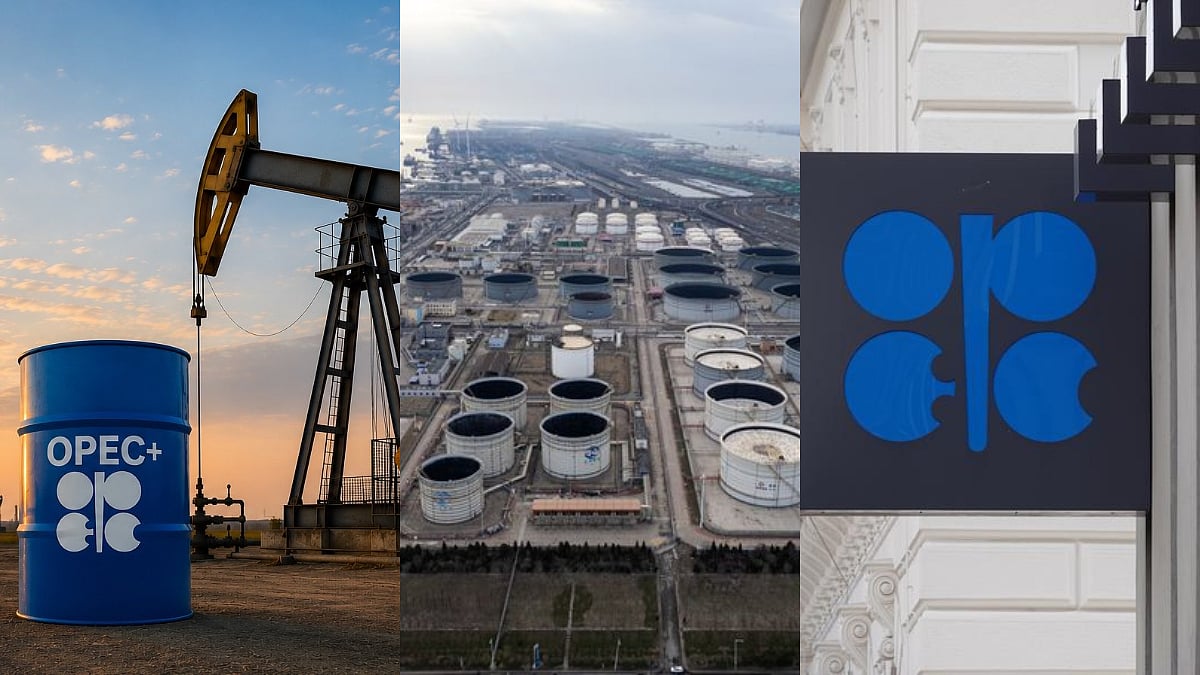
OPEC+ Announces A Fresh Output Hike Of 188,000 Barrels Per Day For August As Global Oil Prices Ease. | X
Seven members of the OPEC+ alliance will increase oil production by a combined 188,000 barrels per day in August, marking the fifth consecutive monthly output hike announced by the oil-producing group on Sunday.
Member countries confirm output hike
The countries participating in the increase are Saudi Arabia, Russia, Iraq, Kuwait, Kazakhstan, Algeria and Oman.
"The countries will continue to monitor and assess market conditions, and in their continuous efforts to support market stability, they reaffirmed the importance of adopting a cautious approach," the group said in a statement.
Oil prices fall amid easing tensions
The production increase comes as crude prices have dropped to levels seen before the US and Israel's war with Iran. Brent crude, the international benchmark, traded below USD 72 a barrel after commodities markets opened on Sunday night, compared with highs of nearly USD 120 a barrel in March during the conflict.
Also Watch:
Oil prices declined after the US and Iran reached an interim agreement to end hostilities. Under a broader memorandum of understanding, Iran agreed to allow ships to pass through the Strait of Hormuz without obstruction, while the US agreed to lift its blockade of Iranian ports.
Commercial shipping through the strategic waterway has increased since the deal, although traffic remains below pre-war levels. Iran's joint military command warned as recently as Thursday that oil tankers using the strait must follow approved routes or face a "forceful response." Prices have continued to ease as negotiations towards a final peace agreement continue.
War’s impact on oil supply
Before the conflict, the Strait of Hormuz carried about one-fifth of the world's oil. During the war, restricted shipping disrupted global energy supplies, and the limited production increases announced by OPEC+ in previous months were insufficient to offset the shortfall.
Many major Middle Eastern oil producers were forced to reduce output early in the conflict because exports were severely constrained. According to a recent estimate by S&P Global Energy, Gulf oil production is not expected to recover fully until at least the first quarter of 2027.
RECENT STORIES
-
-
-
-
-