IMF Approves Immediate Disbursal Of Final Tranche Of USD 1.1 Billion To Pakistan Amid Cash-Strapped Conditions
The International Monetary Fund (IMF) Executive Board's decision on Monday came after the global lender completed the second and final review of Pakistan's economic reform programme supported by the IMF's Stand-By Arrangement (SBA). With this development, the disbursements under the SBA reached around USD 3 billion.

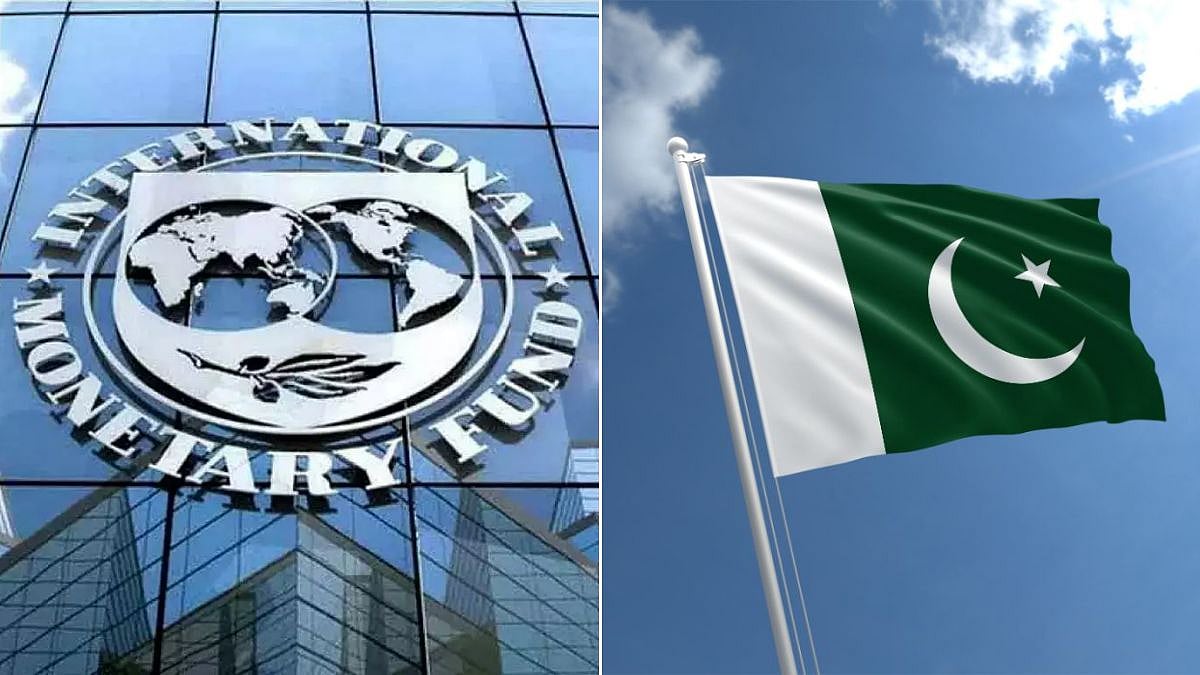
Washington: The IMF has approved an immediate disbursal of the final tranche of USD 1.1 billion to Pakistan as part of a bailout package, emphasising that the cash-strapped country needs to take tough measures to bring its economy back on track.
The International Monetary Fund (IMF) Executive Board's decision on Monday came after the global lender completed the second and final review of Pakistan's economic reform programme supported by the IMF's Stand-By Arrangement (SBA). With this development, the disbursements under the SBA reached around USD 3 billion.
All board members favoured the release of the last instalment. India, however, abstained from voting.
Statements Given By IMF's Deputy Managing Director
"Given the significant challenges ahead, Pakistan should capitalise on this hard-won stability, persevering -- beyond the current arrangement -- with sound macroeconomic policies and structural reforms to create stronger, inclusive, and sustainable growth," said IMF's Deputy Managing Director Antoinette Sayeh. Continued external support will also be critical, she said.
Achieving strong, long-term inclusive growth and creating jobs require accelerating structural reforms and continued protection of the most vulnerable through an adequately financed Benazir Income Support Programme, she said.
She said that advancing the reform of state-owned enterprises (SOEs) and ensuring that all SOEs fall under the new policy framework, strengthening governance and anti-corruption institutions, and continuing to build climate resilience was the priority. The IMF official said Pakistan will receive the loan payment this week.
Pakistan Needs To Adhere To A "Market-Determined Exchange Rate"
Sayeh emphasised Pakistan needed to adhere to a "market-determined exchange rate to absorb external shocks and broadening of structural reforms to support stronger and more inclusive growth".
"Moreover, stronger action to address undercapitalised financial institutions and, more broadly, vigilance over the financial sector are needed to ensure financial stability," she said in a statement.
Pakistan PM's Meeting With IMF Managing Director
The development came a day after Prime Minister Shehbaz Sharif met IMF Managing Director Kristalina Georgieva in Riyadh, Saudi Arabia. In his first meeting with the IMF chief since his re-election as premier, Sharif also discussed Pakistan's demand for another IMF programme as the country still needs the global lender's crutches to wobble on to get its economy back on track.
An IMF team is expected to visit Pakistan in May to initiate talks for a new long-term Extended Fund Facility (EFF) ranging between USD 6 to USD 8 billion with the possibility of augmentation through climate financing. However, the exact size and time frame will only be determined after evolving consensus on the major contours of the next programme in May 2024.
If secured, it would be Pakistan's 24th IMF bailout. Separately, former prime minister Shahid Khaqan Abbasi said all indicators of the economy were negative and the government's decision to seek another bailout from the IMF was an admission of their "failure", The Express Tribune newspaper reported.
"Economic growth stalls and inflation rises due to such agreements with the IMF," he said, adding that the IMF "keeps you alive, but your economic condition deteriorates on every parameter."
"Your industry cannot thrive if political issues remain unresolved, as everything is interconnected. Do not harbour the illusion that things will improve spontaneously," he cautioned.
Abbasi pointed out that IMF agreements impede growth and exacerbate inflation. The USD 350 billion economy faces a chronic balance of payments crisis, with nearly USD 24 billion to repay in debt and interest over the next fiscal year - three times more than its central bank's foreign currency reserves.
RECENT STORIES
-
-
-
-
-