Bangladesh's Revenue-To-GDP Ratio Among World's Lowest At Around 8%: Report
Bangladesh collects about 8% of GDP in revenue, the lowest in Asia and close to conflict hit Yemen and Sudan, IMF data shows. It lags Pakistan (12%) and Sri Lanka (13.68%) while Bhutan stands at 26.97%.Weak tax base, large informal sector, exemptions, weak enforcement and low trust constrain collections, limiting spending on health and education.Reforms urged to expand tax base and digitization

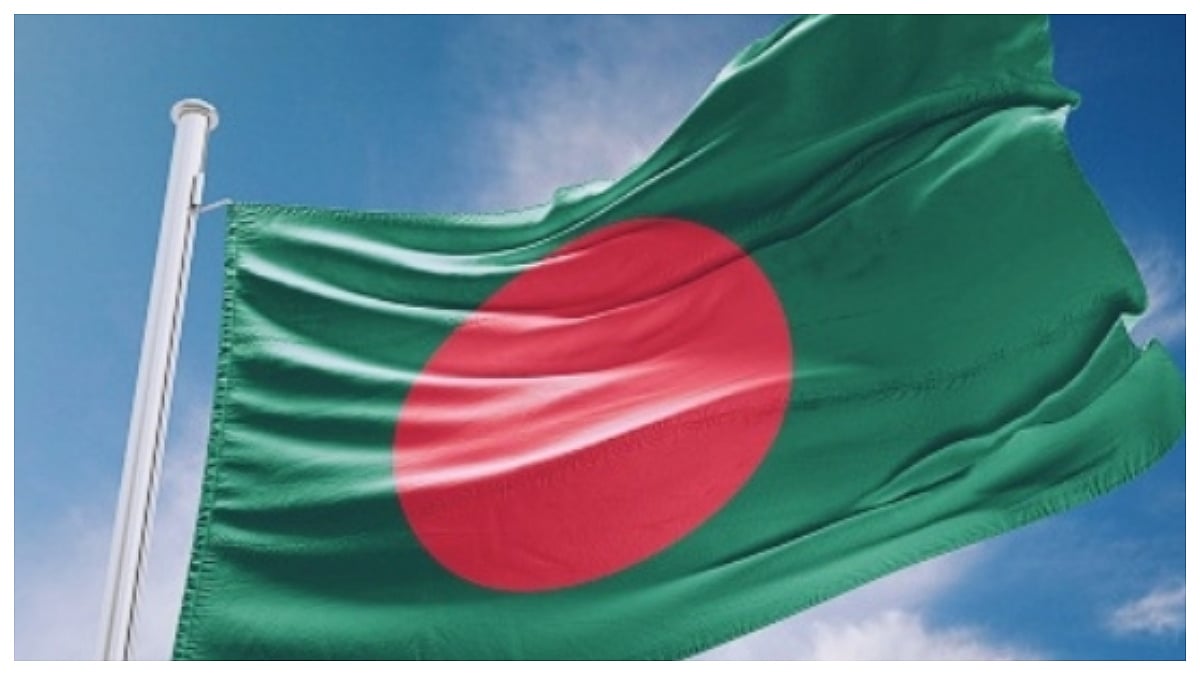
Bangladesh's Revenue-To-GDP Ratio Among World's Lowest At Around 8%: Report | File Pic
New Delhi: Bangladesh’s revenue mobilisation remains among the weakest globally, with the country collecting about 8 per cent of its GDP in government revenue in 2024, placing it only marginally above conflict-hit economies such as Yemen and Sudan, a report has said.
Highlighting the International Monetary Fund (IMF) data, a report published in The Daily Star said that Bangladesh’s revenue-to-GDP ratio is the lowest among Asian economies and significantly below several peer countries, underscoring persistent structural constraints in fiscal capacity and public finance management.
In comparison, Pakistan and Sri Lanka record revenue-to-GDP ratios of 12 per cent and 13.68 per cent, respectively.
ALSO READ
Bhutan’s ratio stands at 26.97 per cent, highlighting the gap in revenue mobilisation within the region.
Globally, a tax-to-GDP ratio of around 15 per cent is widely considered a minimum benchmark for ensuring adequate public spending capacity and economic stability.
The report attributed the weak revenue performance to a combination of factors, including a narrow tax base, dominance of the informal sector, extensive tax exemptions and holidays, weak enforcement, and heavy reliance on indirect taxation.
It further noted that a lack of trust in public institutions due to perceived corruption has also weakened tax compliance, as citizens remain reluctant to pay taxes without visible improvements in public services.
ALSO READ
Due to the country’s low revenue-to-GDP ratio, the government’s fiscal space has remained limited over the years, affecting investment in health and education.
The report said Bangladesh continues to underperform in human capital development due to long-standing underinvestment in key social sectors.
Expanding the tax base remains the most critical reform priority, with large parts of the economy still outside the formal tax net, including rural markets and peri-urban business hubs, according to the report.
In addition, it highlighted the need to strengthen direct taxation, improve land valuation reporting, and expand digital tax systems to reduce evasion and improve efficiency.
Globally, countries such as Austria, Denmark, Finland and Norway collect over 50 per cent of GDP in revenue, while more than 70 developing economies remain below the 15 per cent benchmark, reflecting widespread fiscal constraints across the developing world.
(Except for the headline, this article has not been edited by FPJ's editorial team and is auto-generated from an agency feed.)
RECENT STORIES
-
-
-
-
-