The Future Is Vernacular: Why Local Languages Deserve the Spotlight
From classrooms to OTT platforms, regional languages are reclaiming their space—preserving heritage, shaping identity, and driving innovation across India

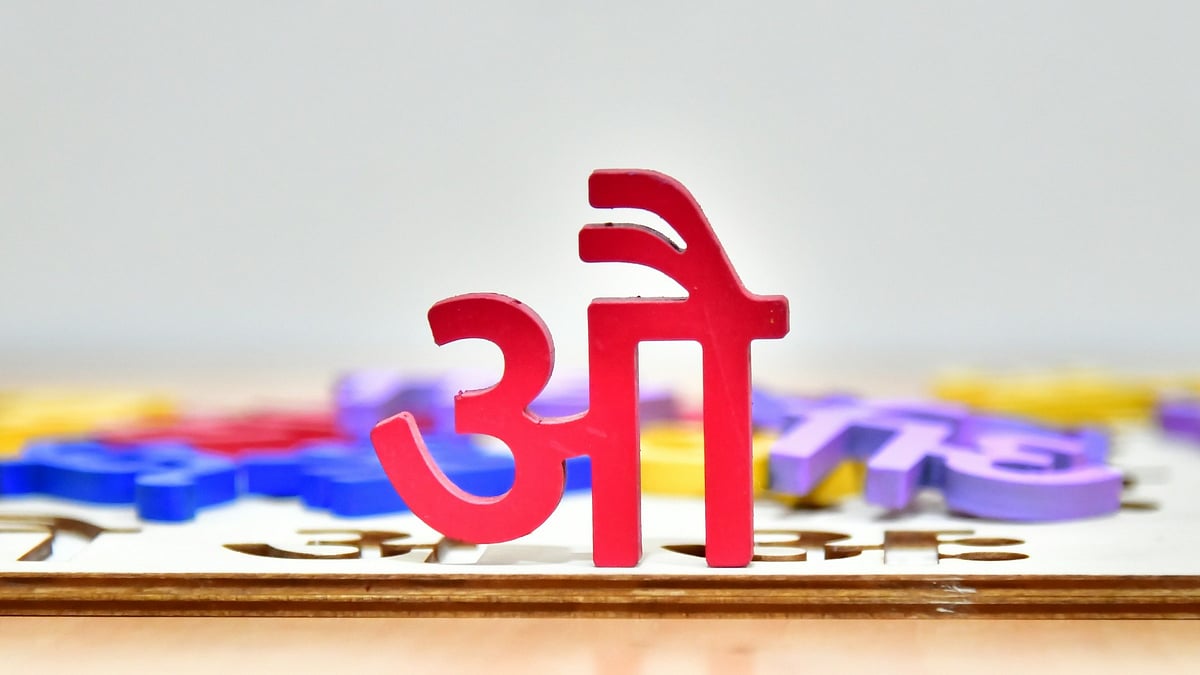
India has been embracing and enlivening different cultures and vernacular languages and is a linguistically diverse country. According to the latest census data, India has 121 languages spoken by more than 10,000 people each and more than 19,500 documented mother tongues and dialects. These languages belong to several language families, chiefly Indo-Aryan, Dravidian, Austro-Asiatic, and Tibeto-Burman. Furthermore, they are poised to become a powerful tool for empowerment and innovation in India’s ever-changing landscape.
Languages are wisdom passed down through generations; they hold values and stories from ancient times. For many people, the heartiest conversations happen in their local languages. Through folklore and shared memories, they connect with their people and ensure that the history lives on through songs and words. But there are still many languages which are not known and deserve the spotlight.
Vibrant and diverse
Every Indian state celebrates its own linguistic mix of languages and dialects, often a blend of ancient heritage and modern adaptation. Hindi is the dominant language used in northern and central India. Marathi, Gujarati, Bengali, Tamil and Telugu maintain strongholds in Maharashtra, Gujarat, West Bengal, Tamil Nadu and Telangana/Andhra Pradesh, respectively, each with tens of millions of native speakers. Punjabi, Malayalam, Urdu, and Kannada have rich literary traditions and social influence. Dozens of smaller languages, including Konkani, Bodo, Meitei (Manipuri) and Santali, among others, bring linguistic diversity and local identities and traditions of their own.
The far northern state of Bihar is one of India’s most linguistically diverse. Its primary languages, such as Bhojpuri, Maithili and Magahi, have long-held cultural traditions, folk tales, songs and writings. These are in addition to languages such as Angika, Bajjika, and Surjapuri with their own rich cultural tapestry. Several of these languages have no specific constitutional or official recognition at the institutional level, yet Maithili is currently a constitutionally respected language of India.
Support for linguistic diversity
In many parts of India, classrooms are becoming small mirrors of the nation’s linguistic mosaic. Schools are not just teaching children to read and write in their mother tongues; they are helping them feel the beauty of their languages.
Storytelling circles in local dialects, poetry sessions in regional scripts, and festivals dedicated to language traditions have quietly become part of the academic and cultural routine in many states. These initiatives go beyond the task of safeguarding vocabulary. They build a sense of pride, familiarity, and rootedness. When children read, speak, or sing in the language they hear at home, it strengthens their sense of identity and deepens their bond with the community around them.
Language and technology
Technology, often accused of flattening differences, is now emerging as an unlikely ally in protecting them. Across the country, digital platforms are opening space for regional scripts, local storytelling, and voices that once stayed confined to neighborhoods or small towns. New translation and voice tools are allowing people to browse, learn, and share online in the languages they grew up speaking at home.
Cultural capital
Across OTT platforms, cinema, publishing, and gaming, the surge in growth is being powered by stories told in regional languages. Markets have recognised that the strongest demand now comes from content rooted in local expressions, cultural nuance, and everyday lived experience.
Power of local languages
From the folk songs of Odisha to the storytelling traditions of Tamil Nadu, from Marathi plays to Kashmiri verse, India’s linguistic diversity reflects the many ways its people understand the world. Vernacular writing continues to influence the way India reads and thinks. Classical poetry continues to echo through the work of today’s writers, while regional authors bring new realities and fresh voices into literature and cinema.
Future trends
India’s languages are quietly finding new strength. In growing towns and busy cities, regional voices are returning through podcasts, independent films, and online groups that keep local speech alive. The mix of heritage and innovation is shaping a future built on many voices, each carrying its own rhythm and truth, a future that sounds deeply and unmistakably Indian.
(Pankaj Dubey, Festival Curator of Nalanda Literature Festival & Bestselling Novelist)
Published on: Sunday, December 14, 2025, 06:30 AM ISTRECENT STORIES
-
-
-
-
-