Uttar Pradesh: Yogi Govt's RRTC Programme Strengthens Maternal Healthcare, Enables Local Treatment Of High-Risk Pregnancies
The Uttar Pradesh government says its RRTC programme has improved maternal healthcare by training district-level doctors to independently manage high-risk pregnancies. The initiative has reduced referrals, strengthened local treatment and improved confidence among doctors, with Sitapur reporting 2,218 safe deliveries over the past three months.

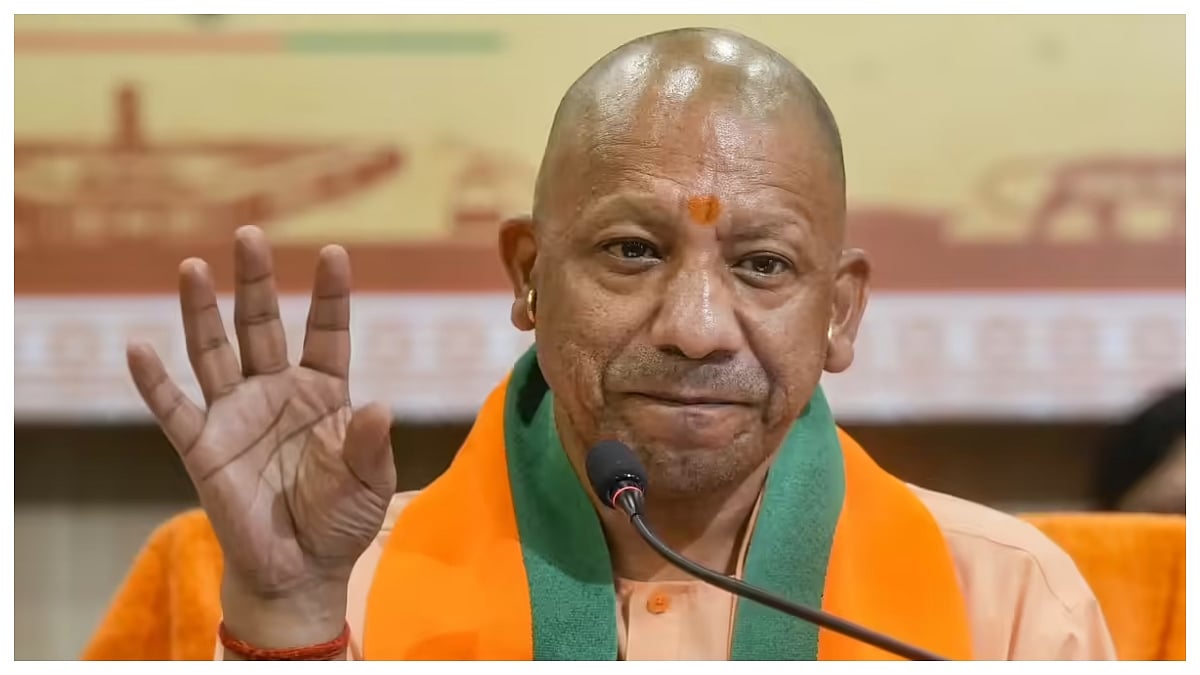
Chief Minister Yogi Adityanath | File Photo
Lucknow, July 13, 2026: The Yogi government is providing hands-on training to local doctors across the state with the objective of reducing the maternal mortality rate and ensuring safe deliveries for every pregnant woman at the local level, and the initiative has started yielding results.
With the confidence gained through the training, doctors are no longer referring high-risk cases but are treating them at the local level. So far, doctors from eight districts under KGMU and AMU have been trained and their skills enhanced. Preparations are underway to provide training to doctors from other districts in phases.
RRTC Programme Strengthens Skills
Medical Health and Family Welfare Secretary Dr Pinky Jowel said, "While doctors were available at the district level, they lacked the confidence to handle high-risk cases such as severe anaemia, high blood pressure, shock, antepartum haemorrhage, postpartum haemorrhage, prolonged labour and obstructed labour, and therefore used to refer such cases. On the directions of Chief Minister Yogi Adityanath, the Regional Resource and Training Centre (RRTC) programme was designed in 2017 with the objective of enhancing the capabilities of district-level doctors providing maternal and neonatal care."
She informed that in the first phase, 20 medical colleges in the state were designated as RRTC centres, through which the skills of doctors from nearby districts were strengthened. In the second phase, doctors are now being provided skill enhancement and hands-on training through a hybrid mode.
Sitapur Reports Positive Results
Five trained doctors at the Sitapur District Women's Hospital conducted 2,218 safe deliveries over the past three months, including highly complex high-risk cases. These included patients with haemoglobin levels of 2 mg, blood pressure above 200, and complications during labour. None of these cases was referred, nor was any senior doctor contacted. The doctors managed all the cases themselves and ensured the safety of both mother and child.
Women's Medical Officer Dr Kamlesh Kumari stated, "The training is highly practical. Separate training was provided on every cause of high-risk pregnancy, including severe anaemia, high blood pressure, antepartum haemorrhage, prolonged labour, obstructed labour and others. First, all the technical aspects of treatment were explained. Thereafter, these high-risk cases were managed in the presence of specialists, and wherever mistakes occurred, they were pointed out. Today, all of us are managing every type of high-risk delivery, and we refer patients only in situations of extreme necessity."
Dr Kamlesh added, "After the training, I have also gained the confidence to make quick decisions after assessing a patient's condition and have personally saved several critically ill patients. Five years ago, only two to three caesarean deliveries were performed in the district women's hospital in an entire day. Now, an average of 10 to 12 deliveries are conducted every day. Public confidence in the government hospital has increased so much that women now come here for delivery from Lakhimpur, Shahjahanpur, Bareilly, Bahraich, Gonda and Hardoi as well."
Chief Medical Superintendent Dr Sunita Kashyap acknowledged that after the training, doctors at the hospital have gained greater confidence in managing both mother and child.
Doctors Gain Confidence
Medical Officer Dr Deshbandhu Gupta of Veerangana Avanti Bai Women's Hospital, Lucknow, stated that 10 doctors from his hospital have undergone this training and its direct impact is evident in the 80 to 90 per cent reduction in the hospital's maternal mortality rate. He said, "Personally, I can now take a decision in any case within two to three minutes and immediately begin treatment. The training has boosted my confidence. I now have the confidence that I can handle any case. Earlier, I used to make decisions only after consulting senior doctors."
RRTC Nodal Officer Dr Seema Tandon stated that the programme was launched in 2017 to enhance the capabilities of doctors treating pregnant women across the state and update their knowledge so that they could manage complications such as postpartum haemorrhage and eclampsia at the local level. Through the hybrid mode, doctors from five districts under KGMU—Sitapur, Bahraich, Balrampur, Gonda and Shravasti—and doctors from Hathras, Kasganj and Aligarh District Hospital under Aligarh Muslim University have been trained. Plans are now being made to train doctors from other divisions.
ALSO READ
RRTC Mentor and Head of Department at Queen Mary Hospital, Dr Anju Agrawal, stated, "Hands-on training has definitely increased doctors' confidence, and they have started handling complicated cases in their own districts. Earlier, many such cases used to come to us. This training should be provided to all doctors. Many cases are referred to our hospital from First Referral Units (FRUs) that can actually be treated there itself. The key is to build doctors' confidence. Once they gain that confidence, they will be able to manage many complicated cases at their own centres."
RECENT STORIES
-
-
-
-
-