Uttar Pradesh Approves PPP Model Second Phase For 49 Modern Bus Stations Development
State Transport Minister Dayashankar Singh stated, "Under this project, bus stations will be upgraded into modern hubs equipped with facilities such as shopping malls, cinema halls, improved waiting areas, sanitation, and other passenger-centric amenities."

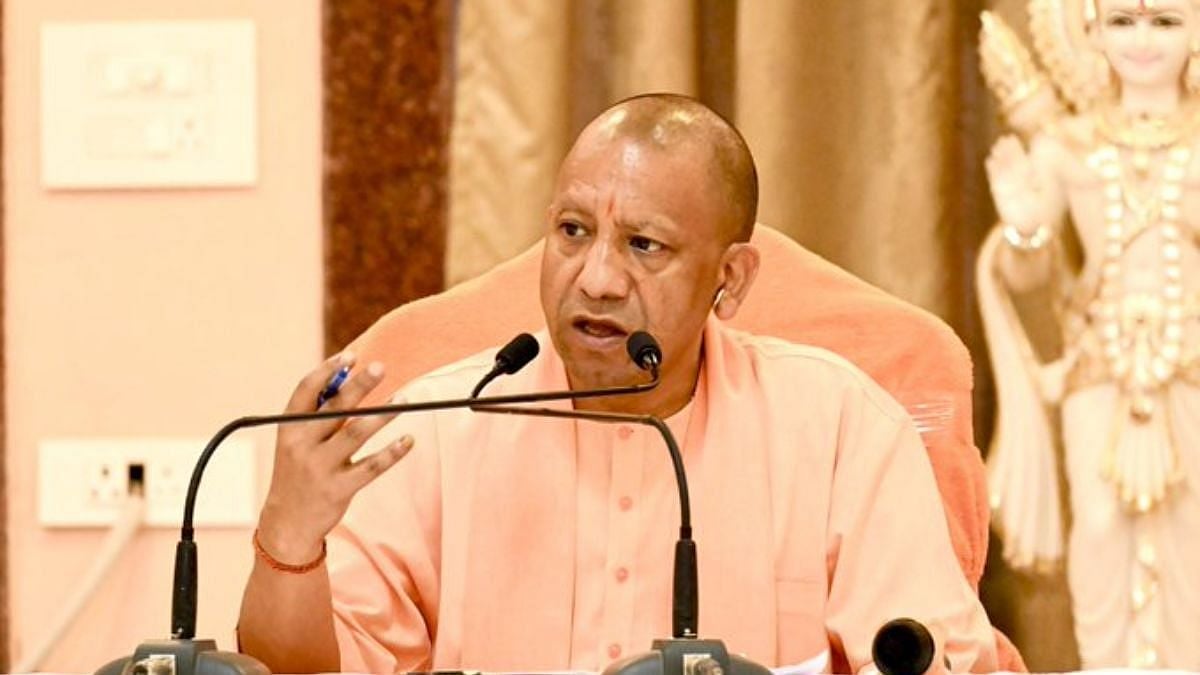
UP CM Yogi Adityanath |
Lucknow: In a Cabinet meeting chaired by Chief Minister Yogi Adityanath, approval has been granted for the second phase of development of bus stations of the Uttar Pradesh State Road Transport Corporation under the Public Private Partnership (PPP) model.
In this phase, out of the initially proposed 54 bus stations, 6 unsuitable stations have been removed and Chandauli district has been added, bringing the total number of bus stations to be developed to 49.
The project will be implemented on the DBFOT (Design, Build, Finance, Operate and Transfer) model, ensuring that no financial burden falls on the state government.
State Transport Minister Dayashankar Singh stated, "Under this project, bus stations will be upgraded into modern hubs equipped with facilities such as shopping malls, cinema halls, improved waiting areas, sanitation, and other passenger-centric amenities."
To attract investors, key eligibility conditions have been revised. The technical capacity requirement has been reduced from 150% of the project cost to 100%. The project completion timeline has been extended from 5 years to 8 years. The minimum net worth requirement has been fixed at 25% of the project cost, and the maximum number of consortium members has been increased from 3 to 4.
After completion of all necessary procedures, the timeline to commence work has been extended from 6 months to 12 months. To encourage investment, a provision has been made to allow 2.5 Floor Area Ratio (FAR) and ground coverage free of cost at all project sites.
The lease period has been fixed at either 35 or 90 years, after which ownership will automatically revert to the Uttar Pradesh State Road Transport Corporation. The Cabinet has also authorized the Chief Minister to approve any required modifications during the bidding process.
The Transport Minister informed, in the first phase of the scheme, 23 bus stations including those in Lucknow, Kanpur, and Agra had already been approved. With the addition of 49 bus stations in the second phase, a total of 52 districts will now be covered under the scheme, while the remaining 23 districts will be included in future phases.
An investment of over ₹4000 crore is expected under this project, compared to approximately ₹2500 crore in the first phase. The bus stations will be developed on the lines of airports, featuring VIP lounges, restaurants, shopping malls, cinema halls, and accommodation facilities.
About 55% of the total area will be used for public amenities, while 45% will be allocated for commercial activities.
The Cabinet has also approved free land transfer for the construction of new bus stations in Sikandra Rao in Hathras district, Narora in Bulandshahr district, and Tulsipur in Balrampur district.
Under this plan, construction work is targeted to be completed within 2 years, while commercial activities are expected to be developed within 7 years. Currently, 15 to 23 lakh passengers use transport services daily, which rises to 30 to 35 lakh during festivals. This initiative is expected to improve passenger facilities and help reduce urban congestion.
In Narora, a depot workshop will also be established along with the bus station. In Tulsipur, a modern bus station will be developed near the Devipatan Temple to facilitate pilgrims.
These bus stations will be developed as economic hubs, offering facilities such as shops and food courts.
RECENT STORIES
-
-
-
-
-