US-Israel-Iran War: Did Pakistan's Plea To Washington Save Abbas Araghchi And Mohammad Baqer Qalibaf From Israeli Strikes?
Following a request from Pakistan, the United States successfully urged Israel to remove Iranian Foreign Minister Abbas Araghchi and Speaker Mohammad Baqer Qalibaf from its hit-list to preserve potential diplomatic channels amid the escalating regional energy and security crisis

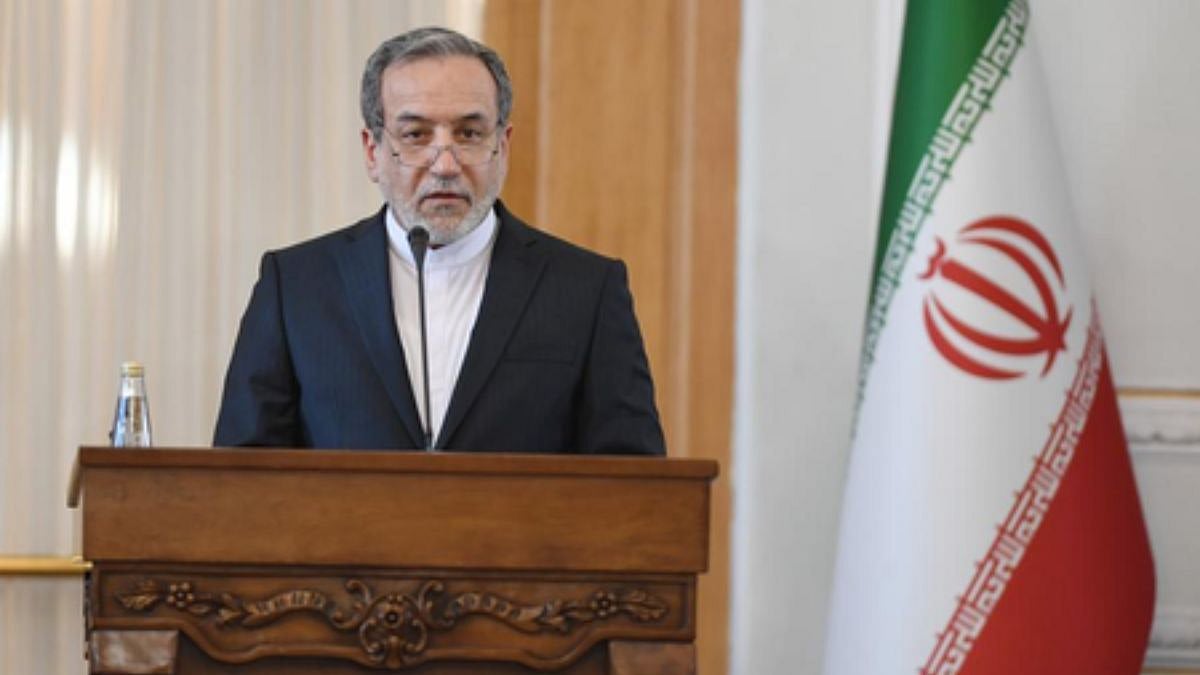
Iran's Foreign Minister Abbas Araghchi | IANS
In a dramatic turn of events within the escalating Middle East conflict, Iranian Foreign Minister Abbas Araghchi and Parliamentary Speaker Mohammad Baqer Qalibaf narrowly avoided becoming targets of Israeli precision strikes.
According to a report by Reuters on Thursday, March 26, 2026, the two high-ranking officials were removed from an Israeli "hit-list" following a high-stakes diplomatic intervention by Pakistan.
Who was targeted and why?
The primary targets were Abbas Araghchi, Iran’s chief diplomat, and Mohammad Baqer Qalibaf, the influential speaker of the Iranian parliament. Both men are central to the Iranian government’s decision-making hierarchy. Israeli intelligence reportedly possessed the exact coordinates of both men and intended to eliminate them as part of its ongoing military campaign against the Iranian leadership.
Israel’s strategy has increasingly focused on decapitation strikes—removing the intellectual and political architects of the Iranian state—to degrade the country's ability to coordinate military and proxy actions.
How did the intervention unfold?
The survival of Araghchi and Qalibaf was not a result of a military failure, but a diplomatic effort. A Pakistani official informed Reuters that Islamabad successfully lobbied the United States to exert pressure on Israel to stand down. The Pakistani argument was grounded in pragmatism, which is, if the most senior diplomatic and political figures in Tehran were killed, the international community would have "no one else to talk to."
Recognising that the elimination of these leaders would effectively destroy any remaining hope for a ceasefire, Washington requested that Israel "back off," leading to the removal of their names from the immediate target list.
What is Pakistan’s role in the conflict?
The New York Times reported that Pakistan's army chief has become a "key interlocutor," facilitating communication between Washington and Tehran. Because Pakistan maintains unique diplomatic channels with both the United States and its neighbour, Iran, it has become the primary conduit for a 15-point ceasefire proposal drafted by the U.S.
This proposal reportedly includes the crucial reopening of the Strait of Hormuz, a vital maritime artery for global energy.
Why does the Strait of Hormuz matter?
The urgency to keep Araghchi and Qalibaf alive is tied directly to the global economy. Iran’s grip on the Strait of Hormuz and its attacks on regional energy infrastructure have caused oil prices to surge. Brent crude reached $104 on Thursday, a staggering 40 per cent increase since the war began.
German Defence Minister Boris Pistorius described the conflict as a "catastrophe for world economies." Diplomatic sources suggest that the US believes Araghchi and Qalibaf are necessary participants if there is to be any agreement to stabilise the energy markets and end the maritime blockade.
Where do the negotiations stand now?
The situation remains complex and contradictory.
While President Donald Trump stated during a Wednesday fundraiser that Iran "wants to make a deal so badly," the official word from Tehran is far more defiant. Foreign Minister Araghchi, despite being the man saved by this diplomatic intervention, told Iranian state TV that his government has not engaged in talks and has no plans for negotiations, dismissing US messages as mere correspondence rather than dialogue.
However, The New York Times indicates that Iranian officials have signalled privately that they might meet US negotiators in Pakistan next week, suggesting that while the public rhetoric is hostile, the "escape" of these two leaders has kept the door to a secret back-channel slightly ajar.
Published on: Thursday, March 26, 2026, 03:01 PM ISTRECENT STORIES
-
-
-
-
-