'They Questioned My Salary': Indian AI Startup Founder Dhananjay Yadav’s US Visa Rejected Despite Investor Invite
NeoSapien co-founder and CEO Dhananjay Yadav said his US visa was rejected despite an invitation from a US-based investor for meetings. Sharing details on X, Yadav said the trip was company-sponsored for B2B partnerships, with no intent to overstay. The incident has renewed concerns over visa hurdles faced by Indian founders.

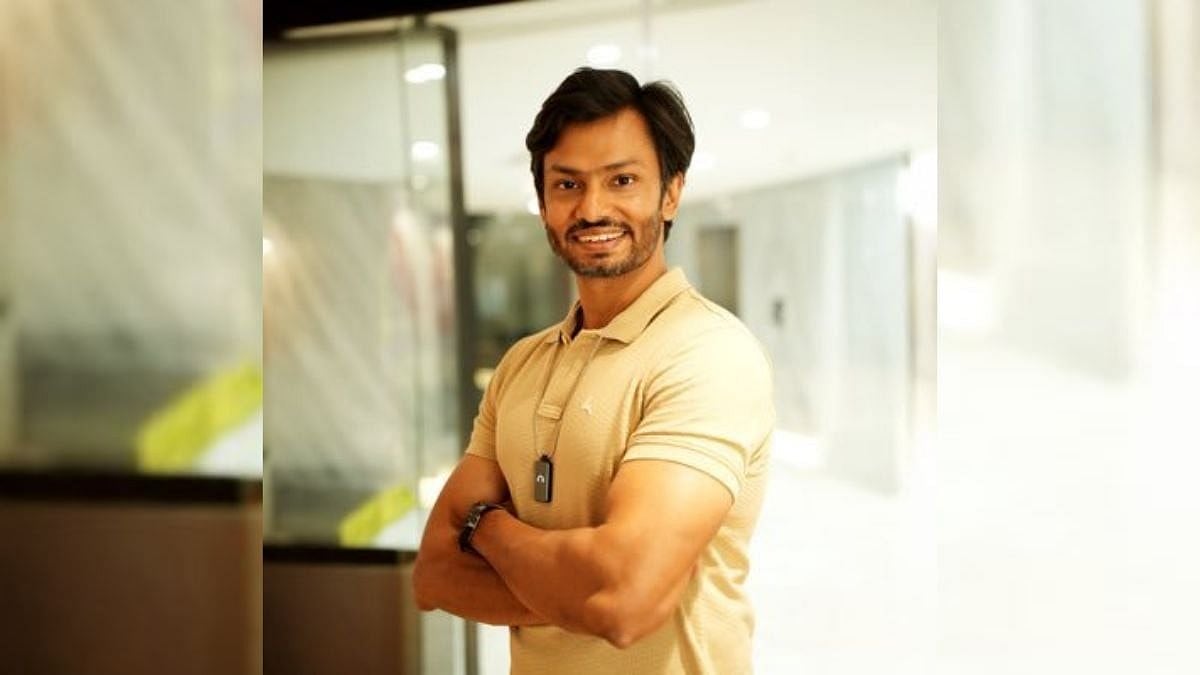
Dhananjay Yadav, co-founder and CEO of the popular AI startup NeoSapien has revealed that his application for a US visa was rejected, highlighting the challenges faced by Indian entrepreneurs under the Trump administration's stringent immigration policies. The rejection comes despite an invitation from a US-based investor in his company, underscoring the irony for startups with American funding connections.
Yadav took to Twitter to share his disappointment over the rejection. He had an important meeting to attend in the US. "In Delhi today. My US visa got rejected this morning, and still trying to understand why. I had an invite from a close friend and investor in NeoSapien, Hari Valiyath (Co-founder, Pyxis), to meet him and potential partners. Pyxis has raised over $200M, and is US-based. I have studied in the US before and worked in Berlin. So, had no intent to stay back. When asked about the purpose, I said - investor meetings and B2B partnerships. Then came a question on salary, and despite the trip being company-sponsored. As a founder, my salary is minimal. Shortly after, the visa was rejected. Hard to understand the logic."
He explained that the visa was sought for investor meetings and B2B partnerships, sponsored by his company, with no intent to overstay. Replies to his post echoed frustrations, with users noting high rejection rates for business visas in recent months, often unrelated to applicants' profiles or funding success.
Dhananjay Yadav is the co-founder of NeoSapien
NeoSapien, founded in 2024 by brothers Dhananjay Yadav and Aryan Yadav in Bengaluru, is at the forefront of creating a 'second brain' ecosystem through hardware-native AI. Dhananjay serves as CEO, driving the company's vision of human-machine symbiosis.
The startup's flagship product, Neo 1, is India's first AI-native wearable - a pendant-style device that acts as a personal assistant. It captures daily conversations and actions, transcribes them, provides summaries, and offers contextual insights via the Neo AI bot, boasting features like 'Infinite Memory,' emotion analysis, and support for over 100 languages. Powered by the proprietary Second Brain OS, Neo 1 prioritises privacy with ISO 27001 certification and no long-term audio storage.
NeoSapien recently secured a patent for its adaptive AI coaching system, which breaks down long-term goals into real-time micro-tasks. The company has deployed over 15,000 devices in corporate settings and forged more than 20 B2B enterprise partnerships, marking a shift towards original AI hardware innovation in India. Priced at Rs. 11,999, Neo 1 is available in India via the company's website and Amazon, with plans for expansion into new form factors like glasses and rings.
NeoSapien has raised $2 million
NeoSapien has attracted significant investment, raising $2 million (approximately Rs. 18 crore) in a seed round led by Merak Ventures. The funding was backed by prominent angels including Awais Ahmed of space startup Pixxel, Anupam Mittal of Shaadi.com, Sameer Mehta of boAt, Namita Thapar of Emcure Pharmaceuticals, and Aprameya Radhakrishna of Koo. Additionally, the startup secured Rs. 80 lakhs on Shark Tank India Season 4.
Notably, the company has ties to US-based investors. Yadav mentioned an invitation from Hari Valiyath, co-founder of Pyxis- a US-based firm that has raised over $200 million - who is also an investor in NeoSapien. This connection highlights the startup's appeal to American capital, even as visa hurdles impede direct engagement.
Yadav has not indicated plans to reapply, but the episode raises questions about the accessibility of the US for emerging tech leaders.
RECENT STORIES
-
-
-
-
-