Elon Musk’s SpaceX Gets US Approval To Launch 1 Million Satellites For AI Data Centres In Space
The US FCC authorised Elon Musk’s SpaceX to deploy up to one million satellites for its ambitious space-based AI data centre network, Starmind. The solar-powered network is expected to be fully deployed by 2040. However, scientists raised concerns over cooling challenges, orbital debris, atmospheric pollution and potential disruptions to astronomical observations.

Elon Musk’s SpaceX Gets US Approval To Launch 1 Million Satellites For AI Data Centres In Space |
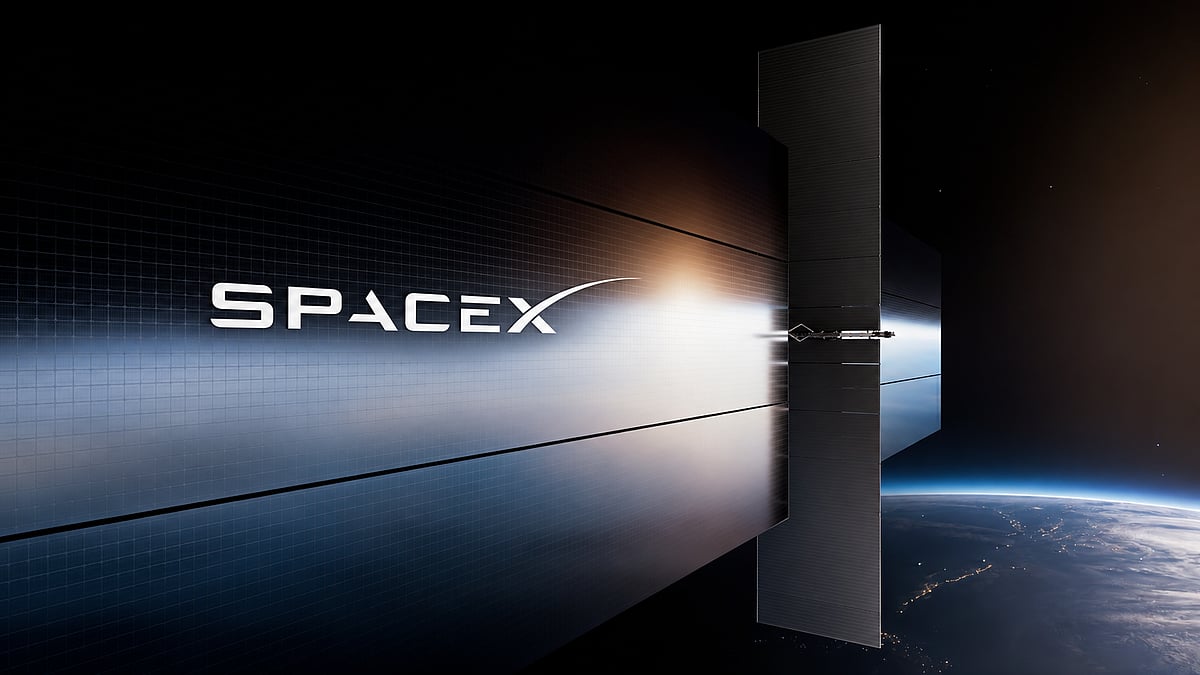
The Federal Communications Commission authorised SpaceX to deploy up to one million satellites to build data centers in space, a long-held ambition of Elon Musk's company. The network, called Starmind, is designed to run AI workloads in orbit using solar power. The FCC's Space Bureau issued the order, which it described as "the first authorisation in US history for a constellation of data centers in space."
What the approval covers
The FCC calls the satellites "orbital compute modules" that would process large volumes of data for use back on Earth. They are to sit in six orbital shells between 500 and 1,002 kilometres, lower than the 2,000-kilometre ceiling in SpaceX's original application. The satellites will talk to each other over optical links, with radio frequencies kept as a backup for communications and emergency operations.
Deployment deadlines
SpaceX must have its first Starmind satellite operating by November 25, 2033. After that, the order requires 100,000 satellites by 2035, 500,000 by 2038 and the full one million by 2040. Missing any of those milestones would void the license. Musk has said the first-generation satellite could reach orbit as early as the third quarter of next year, well ahead of the regulatory deadline.
Conditions attached
The approval is not unconditional. The FCC found SpaceX's orbital debris plan compliant with its rules only for satellites below 600 kilometres, and four of the six shells sit above that line. Before deploying anything higher, SpaceX must file a modification application with a final debris plan. The FCC deferred a SpaceX request to retire some higher satellites into disposal orbits, rather than letting them re-enter the atmosphere within five years, citing a lack of information.
Carr and Musk respond
FCC Chairman Brendan Carr said America is leading the world into the era of super intelligence and called the decision the opening of a bold new frontier. He added that moving computing capacity beyond Earth reinforces economic leadership and expands prosperity at home. Musk, replying to Carr on X, wrote that Starmind "will be a great asset to America and the world."
Objections overruled
Petitions to deny the application from Amazon's satellite business, Viasat and the American Astronomical Society were all rejected. Amazon had earlier called the plan "a lofty ambition rather than a real plan." The FCC's Space Bureau said nothing in its rules caps the size of a single constellation, and ruled that concerns about infrared brightness fall outside the scope of a radio license. The commission also said it set aside topics outside its authority, such as environmental concerns, while maintaining that the deployment serves the public interest.
The AAS said it was "disheartened and dismayed." The society argued that larger, brighter and more numerous satellites would stay visible in the night sky for longer periods and undermine decades of federal investment in astronomy.
Scientists question feasibility
Some scientists doubt the project will materialise. Astrophysicist and author Adam Becker called the idea "a fantasy" and said cooling is a core problem. Space is cold, but a vacuum traps heat like a thermos, which limits how readily satellites can shed it. He also warned of atmospheric pollution from launches and reentries, and a cascade of collisions that could leave a cloud of debris in low Earth orbit, where many weather and communications satellites operate.
Supporters argue that orbital data centers could ease pressure on power grids and cut demand for the land and water used by Earth-based facilities.
SpaceX already operates one of the largest constellations ever assembled, with just over 11,000 Starlink satellites in orbit. It first filed for Starmind in January, shortly before acquiring Musk's AI company xAI, and orbital data centers featured in its pitch to investors ahead of its June IPO. Rivals are also moving in. Blue Origin applied in March for Project Sunrise, a network of up to 51,600 data-center satellites, and startup Starcloud raised $250 million in August.
RECENT STORIES
-
-
-
-
-