AI's Biggest Challenge Is Power, Says BlackRock CEO Larry Fink
BlackRock CEO Larry Fink said electricity has become the biggest constraint on AI growth, overtaking chip shortages. Speaking to CNN, he warned that the US lacks sufficient power distribution infrastructure despite ample natural gas. He said billions in grid upgrades are needed or AI expansion and innovation could slow significantly.

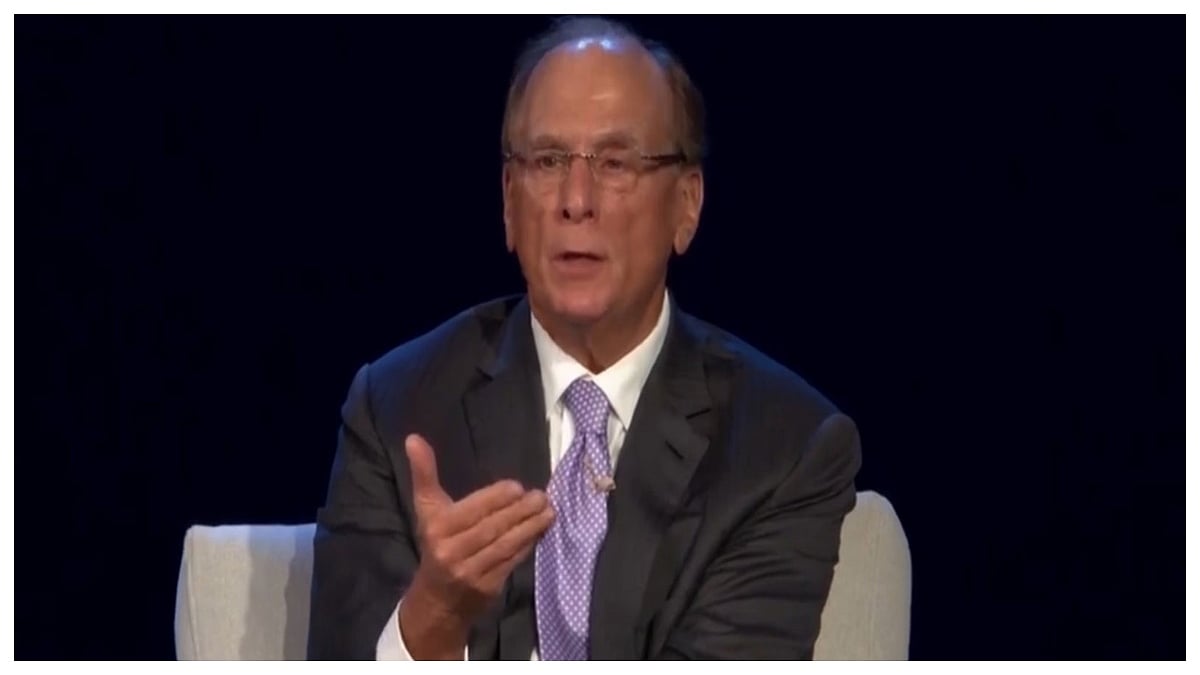
AI's Biggest Challenge Is Power, Says BlackRock CEO Larry Fink |
Artificial intelligence's biggest obstacle is no longer advanced computer chips but access to electricity, BlackRock Chairman and Chief Executive Larry Fink has said, warning that the United States must modernise its ageing power grid or risk slowing the next wave of technological innovation.
Speaking in an interview with CNN's Fareed Zakaria GPS, Fink said the rapid expansion of AI is creating unprecedented demand for computing power, exposing weaknesses in America's electricity infrastructure.
"We don't have enough power in the United States," Fink said, describing electricity as the most significant constraint on AI development.
He said the United States has adequate energy resources, particularly natural gas, but lacks the transmission infrastructure needed to distribute electricity efficiently.
ALSO READ
"We have plenty of power through natural gas, but we can't distribute it in a proper way," he said, adding that the country would need to invest "hundreds of billions of dollars" in expanding and upgrading its electricity grid.
"And if we don't do that, we are not going to succeed in A.I.," he said. "A.I. is just a bunch of electrons. So you need the power to create the electrons."
Fink argued that demand for AI computing capacity currently exceeds supply, driving shortages not only in advanced chips but also in electricity and other critical infrastructure.
"At this moment, there's more demand than supply," he said. "We have shortages of compute right now which to me is the biggest problem we have in this country today."
He warned that unless computing costs fall significantly, smaller organisations could struggle to benefit from the AI revolution.
"I'm not worried about BlackRock or J.P. Morgan having the money to invest in these models," Fink said. "But I am very worried about municipalities or hospitals. Are they going to invest in this?"
Calling for wider access to AI technologies, he said the United States must "democratise A.I." so that hospitals, local governments, transport systems and small businesses can also deploy advanced AI tools.
"If we can't do that, then we're going to have some real structural issues," he said.
Fink also dismissed concerns that equity markets are in a speculative bubble despite massive investment in artificial intelligence. Instead, he said unusually strong demand had created shortages that allowed some companies to command significantly higher prices for their products.
Discussing the broader economy, Fink said recent geopolitical shocks, including the conflict involving Iran, demonstrated the resilience of the global economic system.
"The global economy actually mitigated much of the stresses," he said, pointing to increased energy production, diversification of supply and technological adaptation. "We solve problems."
On the US fiscal outlook, Fink argued that sustained economic growth offered the best path to managing rising government debt.
"If we cannot grow the economy by three per cent a year, we're in trouble," he said, urging policymakers to encourage private investment and streamline infrastructure approvals rather than relying on higher taxes.
RECENT STORIES
-
-
-
-
-