The Habitats Trust Brings Conservation Stories & On-Ground Solutions To Pune
The Habitats Trust (THT) hosted a film screening and panel discussion titled Another Way: From Stories to Solutions at E-Square Multiplex on Oct 13, bringing together over 140 filmmakers, ecological researchers and citizens to explore how research, thoughtful planning and on-ground solutions can reconcile wildlife conservation with India's rapid economic development

The Habitats Trust Brings Conservation Stories & On-Ground Solutions To Pune | Sourced
Pune: The Habitats Trust (THT) hosted a film screening and panel discussion titled Another Way: From Stories to Solutions at E-Square Multiplex on Oct 13, bringing together over 140 filmmakers, ecological researchers and citizens to explore how research, thoughtful planning and on-ground solutions can reconcile wildlife conservation with India's rapid economic development.
As India looks to build a prosperous future, nature can offer solutions to some of the most pressing questions around development. The Habitats Trust is working to reshape how we approach progress, finding ways for economic growth, human well-being and nature to thrive together. Reflecting this vision, the event explored how films can take the discussion beyond individual species and concerns to illuminate the connections between ecological health, development choices and human well-being.
The four films brought these connections into focus through distinct stories from across India. Paani Suar, from the third season of On the Brink, directed by Akanksha Sood Singh, follows the elusive dugong in the Andaman and Nicobar Islands. It documents the work of Dr Swapnali Gole and local communities to develop a citizen-science monitoring network, highlighting the role of trust and community participation in protecting a species threatened by human activity and climate impacts.
Flamingo, also from On the Brink, turns to the rapidly urbanising Delhi National Capital Region, where the greater flamingo is a year-round resident rather than simply a migratory visitor. Through the work of researcher Amit Kumar, the film raises questions about the place of wildlife in urban landscapes and the consequences of urbanisation, habitat encroachment and climate change.
Bridging the Gap, from the series Shared Spaces, directed by Emmy-nominated wildlife filmmaker Vijay Bedi and hosted by Bahar Dutt, examines the challenges wildlife faces as India's infrastructure expands. Through approaches such as elephant underpasses and bustard-safe power lines, it explores how infrastructure and wildlife can coexist, highlighting the importance of considering ecological connectivity in development decisions.
ALSO READ
Seeking Sardines, by Sara, follows the story of a small fish with an outsized role in marine ecosystems, coastal fisheries and food systems. Once a dependable source of affordable nutrition and a mainstay of fishing livelihoods, the Indian oil sardine faces growing uncertainty as warming seas, changing monsoons, climate cycles, fishing efficiency and industrial demand place increasing pressure on its stocks.
Together, the films move from individual species and biodiversity to the larger systems that shape their survival, connecting ecological change with the choices that influence cities, infrastructure, food security and livelihoods. They offer a broader way of looking at conservation, not as a set of isolated interventions, but as an integral consideration in how landscapes are managed and development takes place.
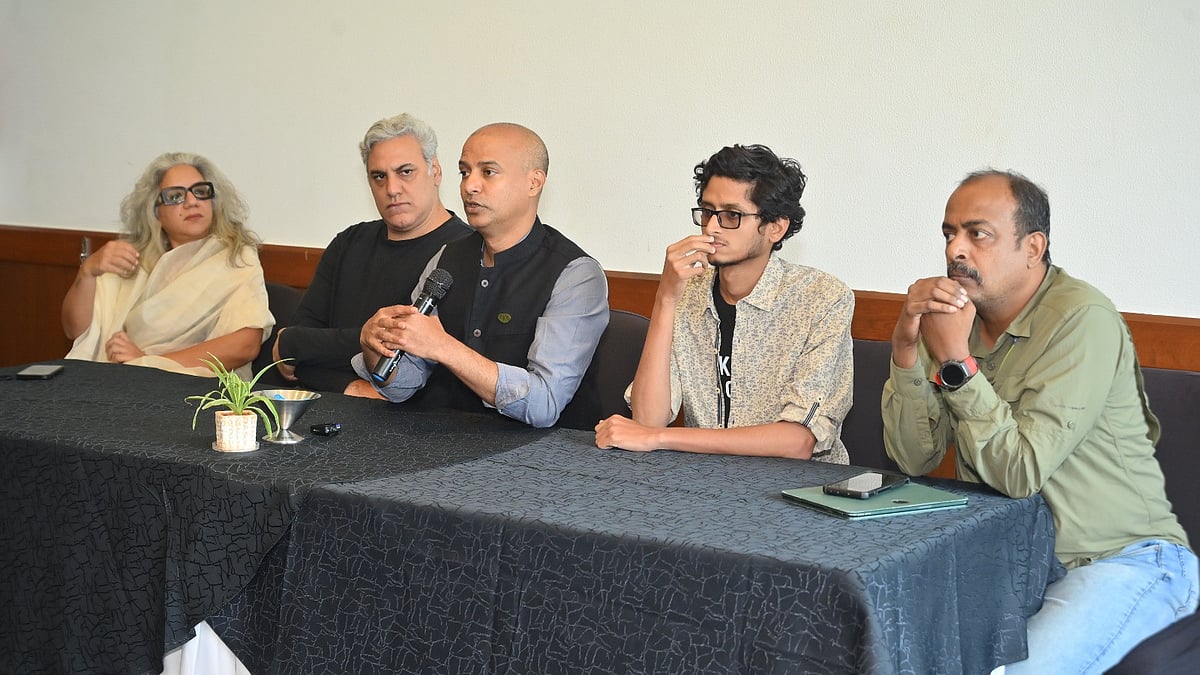
The screenings were followed by a panel discussion titled Another Way: From Stories to Solutions, featuring The Habitats Trust Director Rushikesh Chavan, The Gaia People Founder Akanksha Sood Singh, Bedi Universal wildlife filmmaker Vijay Bedi, The Habitats Trust Marine Lead Abhishek Jamalabad and Roadkills India co-founder Milind Pariwakam.
The discussion explored how films can make solution providers and practical approaches more visible while creating opportunities to connect field experience with wider conversations about infrastructure, urban growth and natural resources. It considered how stories rooted in real-world challenges can help audiences look beyond the problems to the possibilities for addressing them.
"India's growth can be achieved through the natural capital. The opportunity lies in finding ways to develop using this natural capital. At The Habitats Trust, we believe there is always another way. By bringing science, systems thinking and diverse stakeholders together, we can find solutions that advance development," said Rushikesh Chavan, Director, The Habitats Trust.
Through Another Way, The Habitats Trust seeks to bring science, storytelling and systems thinking into conversations about development, demonstrating how habitats, people and economies can thrive together.
RECENT STORIES
-
-
-
-
-