Pune Waste Management Crisis: Garbage Processing Slows Ahead Of Monsoon, Raising Health Concerns
According to civic records, Pune generates nearly 2,800 tonnes of waste every day. Of this, around 2,500 tonnes is currently being processed through 27 waste-management projects spread across the city. However, a number of these facilities are reportedly not functioning at full capacity, resulting in mounting pressure on the collection and transportation network

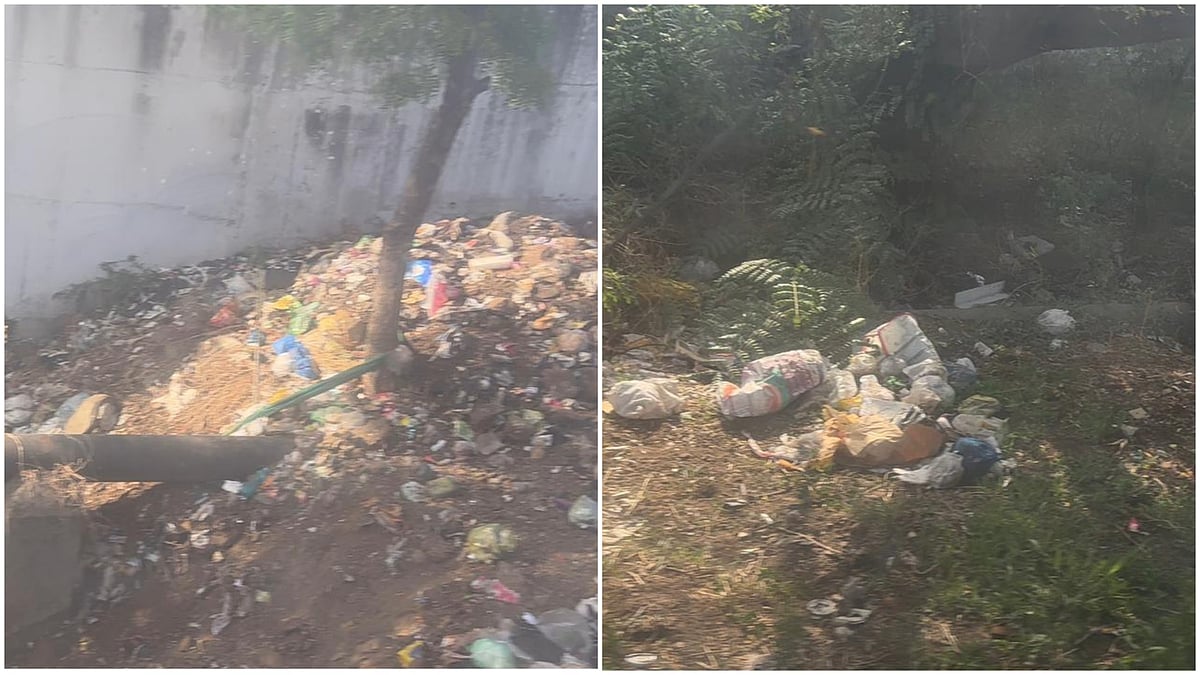
Pune Waste Management Crisis: Garbage Processing Slows Ahead Of Monsoon, Raising Health Concerns | Sourced
Pune: Concerns over Pune's waste management system have intensified ahead of the monsoon, with several municipal waste-processing projects operating below their designated capacity. The slowdown has led to delays in unloading garbage collection vehicles, causing waste to accumulate at transfer stations and in several parts of the city.
According to civic records, Pune generates nearly 2,800 tonnes of waste every day. Of this, around 2,500 tonnes is currently being processed through 27 waste-management projects spread across the city. However, a number of these facilities are reportedly not functioning at full capacity, resulting in mounting pressure on the collection and transportation network.
The issue had also surfaced during last month's General Body meeting of the Pune Municipal Corporation (PMC), where elected representatives alleged that some contractors had deliberately reduced waste collection and processing activities. They claimed that the resulting deterioration in cleanliness was aimed at creating pressure for fresh tenders. Following these allegations, the civic administration announced plans to increase the processing capacity of existing facilities by an additional 300 tonnes per day. However, the proposed enhancement is yet to be fully implemented.
The impact is increasingly visible on the ground. While waste collection continues in parts of the central city, garbage is being dumped along roadsides, footpaths, drainage channels, riverbanks and open spaces in several suburban areas. Delays in transportation have also resulted in waste accumulating at collection points and transfer ramps.
A sanitary worker at Swachh Sanstha said, "We collect door-to-door waste in many areas, but we have been facing difficulties due to the late arrival of transport vehicles. As a result, collected garbage is being temporarily stored at old dumping sites and roadside locations."
Sources at PMC claim that reduced processing capacity at four projects, coupled with delays in transportation, has worsened the situation. Residents have also alleged inadequate monitoring by local health officials and field staff.
With the monsoon setting in, experts warn that the problem could escalate further. Wet waste and rain-soaked garbage are more difficult to handle and process, increasing the risk of disruptions across the entire waste-management chain—from collection and transportation to final processing.
Citizens fear that if garbage is not cleared promptly, it could lead to foul odours, unhygienic conditions and a rise in vector-borne diseases.
Responding to the concerns, Santosh Warule, Deputy Commissioner of PMC's Solid Waste Management Department, said the administration is taking steps to ensure timely waste collection and processing. "The municipal administration is making every effort to prevent garbage accumulation across the city. Alternative arrangements will be made wherever necessary to ensure there are no major waste-management issues during the monsoon," he said.
However, residents remain concerned. "Despite repeated instructions from senior officials, the ground-level machinery is not functioning effectively. If rain-soaked waste is not disposed of quickly, it could create serious public health risks," said a resident Jay Praksh.
Roshan Shane, another resident, said, "During monsoon, things get even worse if the garbage is not collected properly. So we want the authorities to take this issue seriously. The accumulation of garbage will become a mosquito breeding ground and pose health concerns."
As Pune prepares for heavier rainfall in the coming weeks, the efficiency of the city's waste-management system is likely to face one of its toughest tests.
RECENT STORIES
-
-
-
-
-