Pune Records 2,291 Dengue Cases In 10 Months; PMC Steps Up Prevention Drive
The doctors also cautioned against claims that kiwi or papaya can cure dengue or reliably increase platelet counts

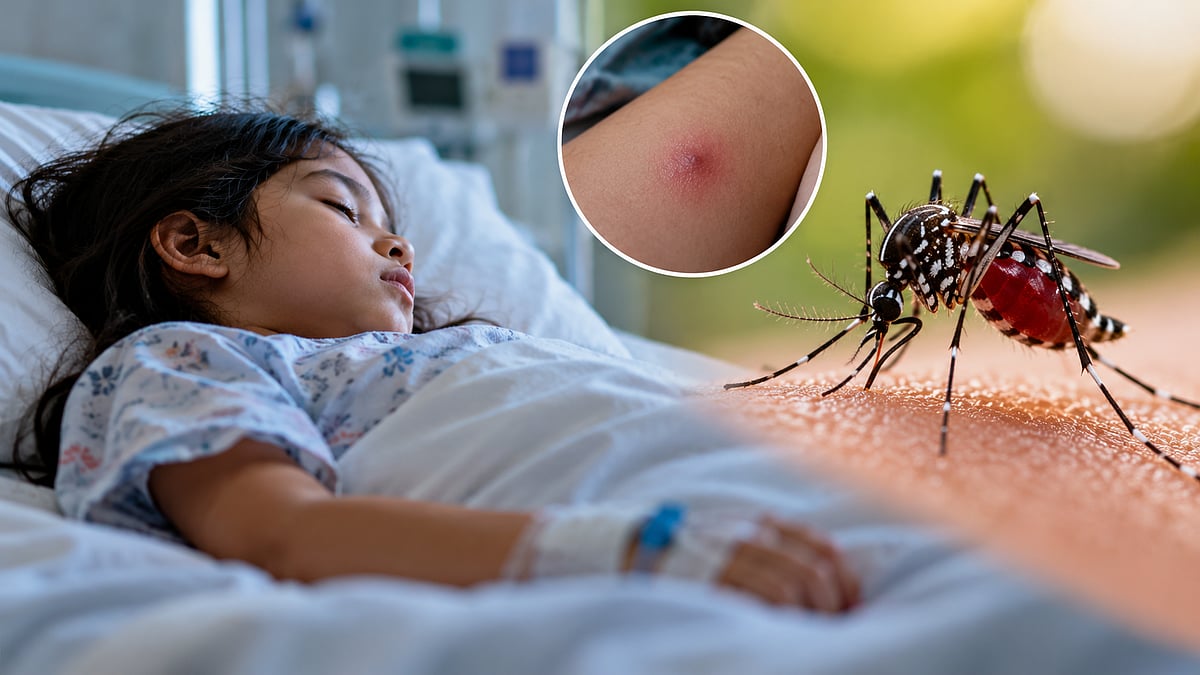
Pune Records 2,291 Dengue Cases In 10 Months; PMC Steps Up Prevention Drive | AI
Pune: Pune has recorded 2,291 dengue cases between Jan 1 and Oct 20 this year, prompting the Pune Municipal Corporation (PMC) to intensify mosquito-control measures, including targeted fogging, inspections and efforts to eliminate breeding sites.
The city has also reported the suspected dengue-related death of a nine-year-old girl from Khese Park in Lohegaon, who died at Ruby Hall Clinic on Oct 18, within 48 hours of hospitalisation. Her death will be treated as a suspected dengue fatality until the civic health audit committee confirms the cause.
Dr Avinash Bhondwe, former president of the Indian Medical Association (IMA), Maharashtra, said the pattern of rainfall this year may have contributed to the rise in cases.
According to PMC data, the city recorded 4,908 dengue cases in 2024 and 2,391 in 2025. The figures indicate that the disease continues to pose a significant public health concern.
Dr Bhondwe said, “Dengue cases are reported every year. This year, rainfall was not particularly heavy, and intermittent rain over several days may have allowed mosquito breeding to increase. Heavy rainfall can wash away some breeding sites, but when water remains stagnant for prolonged periods, mosquitoes get favourable conditions to multiply.”
Stagnant Clean Water Remains A Major Breeding Ground
Unlike mosquitoes associated with some other diseases, dengue-carrying Aedes mosquitoes commonly breed in clean, stagnant water collected in and around homes. Flower vases, air-conditioner trays, stored water, discarded tyres, containers and unused materials on terraces can become breeding sites.
Dr Bhondwe said, “The dengue virus does not simply come from outside. The mosquitoes breed in clean water that accumulates in our homes and surroundings. Water collected in flower vases, air-conditioner trays, tyres and discarded items can become a breeding ground. People must identify and remove these sources.”
ALSO READ
The PMC has intensified its control measures. During its inspection drive this year, civic teams covered around 14 lakh homes and inspected 28,31,386 containers used for storing water. Aedes mosquito larvae were found in 18,885 containers across 13,000 homes. Notices were issued to 2,664 properties, and the civic body collected fines amounting to ₹6.30 lakh.
Pune Municipal Commissioner Naval Kishore Ram reviewed dengue-control measures on Saturday and visited Dr Naidu Infectious Diseases Hospital in Baner. He directed the health, building permission, anti-encroachment and solid waste management departments to coordinate preventive action.
Ram said, “The focus will be on stagnant water at construction sites, waste dumps and other locations where mosquitoes can breed.”
The civic body has also instructed officials to conduct targeted fogging around patients’ homes and nearby enclosed spaces instead of indiscriminate spraying in open areas. Biological larvicides will be used in stored water. The PMC is disseminating awareness messages through digital displays at railway stations, radio announcements and audio messages on garbage collection vehicles.
ALSO READ
Warning Signs Must Not Be Ignored
Dr Bhondwe said dengue symptoms generally appear three to eight days after an infected mosquito bite. These include high fever, chills, severe body aches, joint and bone pain, nausea, vomiting and, in some cases, skin rashes. Some patients may also develop yellowing of the eyes.
“Dengue was earlier called ‘breakbone fever’ because the body and bone pain can be severe. If people develop these symptoms, they should consult a doctor and undergo the tests advised by the medical professional,” he said.
A major concern is the fall in platelet counts, which can occur during the illness. Platelets help the blood clot, and a significant decline can increase the risk of bleeding. Bleeding from the nose, blood in vomit or urine, persistent vomiting, severe weakness or other warning signs require urgent medical assessment.
Dr Bhondwe said, “Treatment should be based on the patient’s condition and the doctor’s advice. Platelet counts need to be monitored when indicated, but not every patient requires hospitalisation simply because dengue has been diagnosed.”
He cautioned against panic-driven admissions that could put unnecessary pressure on hospital beds.
ALSO READ
No Proven ‘Miracle Fruit’ Cure
The doctor also cautioned against claims that kiwi or papaya can cure dengue or reliably increase platelet counts.
He said, “There is a misconception that eating kiwi or papaya cures dengue or increases platelet counts. There is no reason to depend on these fruits as a treatment. Dengue management requires medical supervision, appropriate monitoring and supportive care. People should not substitute unproven remedies for a doctor’s advice.”
The PMC Commissioner said private hospitals currently have 4,409 beds, including 670 intensive care unit (ICU) beds, for dengue patients, while civic hospitals have 333 beds, including six ICU beds. Dr Naidu Hospital has 50 dedicated dengue beds, of which 35 were vacant, according to the civic body. Diagnostic facilities are available at PMC dispensaries, while free confirmatory tests are offered at Dr Naidu, Dr Kotnis and Kamala Nehru hospitals.
RECENT STORIES
-
-
-
-
-