Nashik: Bombay HC Gives Civic Body Two Weeks To Submit Godavari Pollution Action Plan
The court has also sought clarification from the Maharashtra Industrial Development Corporation (MIDC) regarding the status of the common effluent treatment plants (CETPs) in the Satpur and Ambad industrial areas. These facilities are intended to treat industrial wastewater before discharge. Their operational status and progress are crucial to addressing concerns about industrial effluents

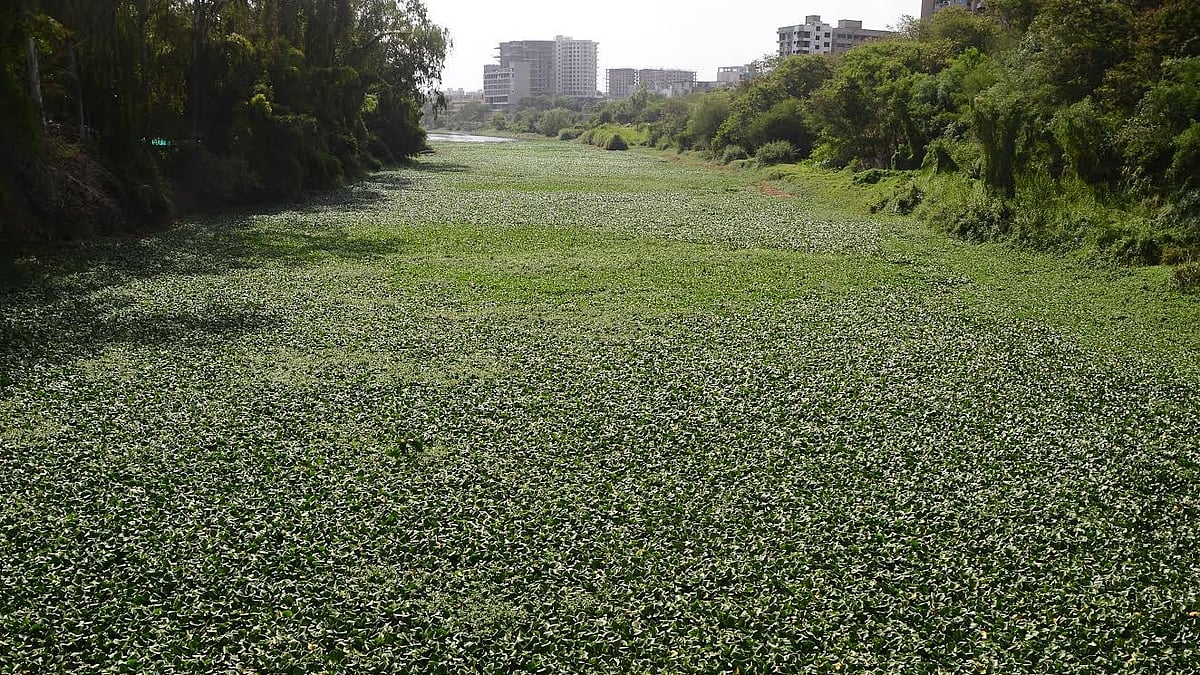
Nashik: Bombay HC Gives Civic Body Two Weeks To Submit Godavari Pollution Action Plan | Sourced
Nashik: The Bombay High Court has directed the Nashik Municipal Corporation Commissioner to submit a detailed action plan within two weeks to prevent pollution of the Godavari River. The plan must outline measures already undertaken, ongoing initiatives and proposed steps to curb the discharge of untreated sewage, industrial wastewater and other pollutants into the river.
The matter is linked to a contempt petition filed by environmental activist Rajesh Pandit, alleging non-compliance with earlier court directions in Public Interest Litigation No 176 of 2012. The contempt petition, numbered 253 of 2025, highlights concerns over the continued pollution of the Godavari despite previous judicial interventions. A division bench comprising Justice AS Gadkari and Justice Kamal Khata heard the case.
The court has also sought clarification from the Maharashtra Industrial Development Corporation (MIDC) regarding the status of the common effluent treatment plants (CETPs) in the Satpur and Ambad industrial areas. These facilities are intended to treat industrial wastewater before discharge. Their operational status and progress are crucial to addressing concerns about industrial effluents entering the river.
On Oct 5, 2026, teams from the Nashik Municipal Corporation and the Maharashtra Pollution Control Board collected water samples from Kapila Sangam, Nandini Sangam and Dasak Ghat in the presence of the petitioner. The samples are expected to help assess water quality through parameters such as dissolved oxygen, biochemical oxygen demand, chemical oxygen demand and indicators of faecal contamination. The actual extent of pollution will be clearer once the official laboratory reports are available.
The court's directions have renewed focus on sewage treatment, industrial wastewater management, regular water-quality monitoring and accountability among the authorities concerned. The action plan is expected to identify pollution sources, specify remedial measures, assign responsibilities and establish implementation timelines. The real test will be whether the authorities translate their commitments into concrete action to restore the Godavari's water quality and protect Nashik's vital river ecosystem.
RECENT STORIES
-
-
-
-
-