Ajit Pawar Death: What Are The Differences Between Tabletop Runways And Elevated Runways
An airport runway constructed on an elevated platform above the surrounding topography, as opposed to at natural ground level, is known as a tabletop runway. These runways resemble a flat “table” with steep drop-offs on one or more sides and are built using substantial earth fill, concrete columns, or stilts. The elevated structure is typically supported by retaining walls or steep embankments

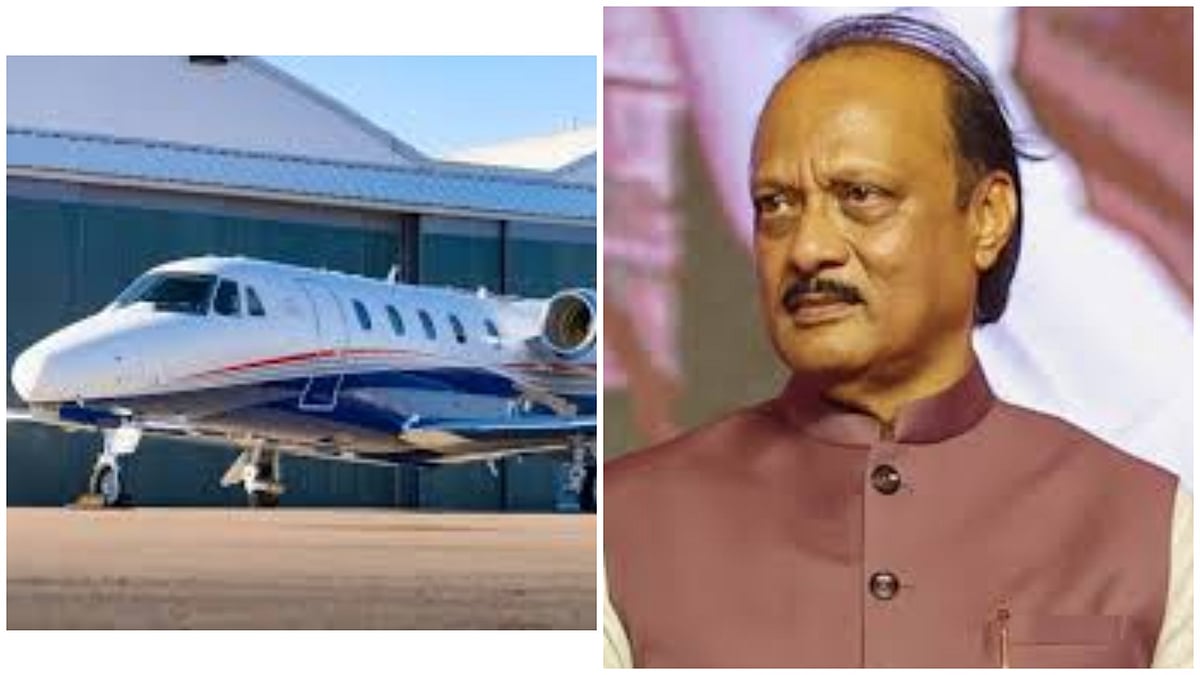
Ajit Pawar Death: What Are The Differences Between Tabletop Runways And Elevated Runways | Sourced
Following a plane crash incident near Baramati involving Maharashtra Deputy Chief Minister Ajit Pawar on January 28, 2026, global attention has once again turned to the importance of runway design and aviation safety. The aircraft reportedly encountered difficulties during landing at Baramati airport, a facility known for its tabletop runway profile, prompting renewed scrutiny of landing conditions and approach challenges at such airports.
An airport runway constructed on an elevated platform above the surrounding topography, as opposed to at natural ground level, is known as a tabletop runway. These runways resemble a flat “table” with steep drop-offs on one or more sides and are built using substantial earth fill, concrete columns, or stilts. The elevated structure is typically supported by retaining walls or steep embankments.
ALSO READ
Tabletop runways are usually developed in regions where flat terrain is scarce or unavailable. Mountainous landscapes, dense urban development, coastal geology, wetlands, and flood-prone areas often force planners to adopt this complex design. In many cases, the raised construction also helps protect airport infrastructure from flooding.
Despite their advantages, aviation experts warn that tabletop runways present significant operational challenges. Pilots may experience optical illusions during landing, making it harder to judge altitude and distance, particularly at night or in low visibility. The steep drop-offs allow minimal margin for error, increasing the risk of runway overruns. Turbulence and wind shear near the runway edges are also common concerns. Nevertheless, tabletop runways have enabled air connectivity in otherwise inaccessible regions.
Notable examples include Paro Airport in Bhutan, surrounded by steep Himalayan terrain; Madeira Airport in Portugal, where part of the runway is supported by columns over the ocean; and Courchevel Altiport in France, an extreme case featuring a short, sloped runway designed for specialized aircraft.
Incidents involving aircraft operating at elevated or terrain-constrained runways frequently reignite discussions on infrastructure design, pilot training, advanced navigation aids, and stricter regulatory oversight, both in India and globally, to further enhance aviation safety.
RECENT STORIES
-
-
-
-
-