Smart Volvo Buses And QR Code System For Taxis: Maharashtra Transport Minister Pratap Sarnaik Unveils Commuter Safety Reforms
Pratap Sarnaik announced 200 Volvo smart buses with alcohol and fatigue detection, along with a QR code system for taxis and autos. The move aims to curb driver refusals, enhance passenger safety, and transition to electric vehicles by 2035, addressing traffic and operational challenges in Maharashtra.

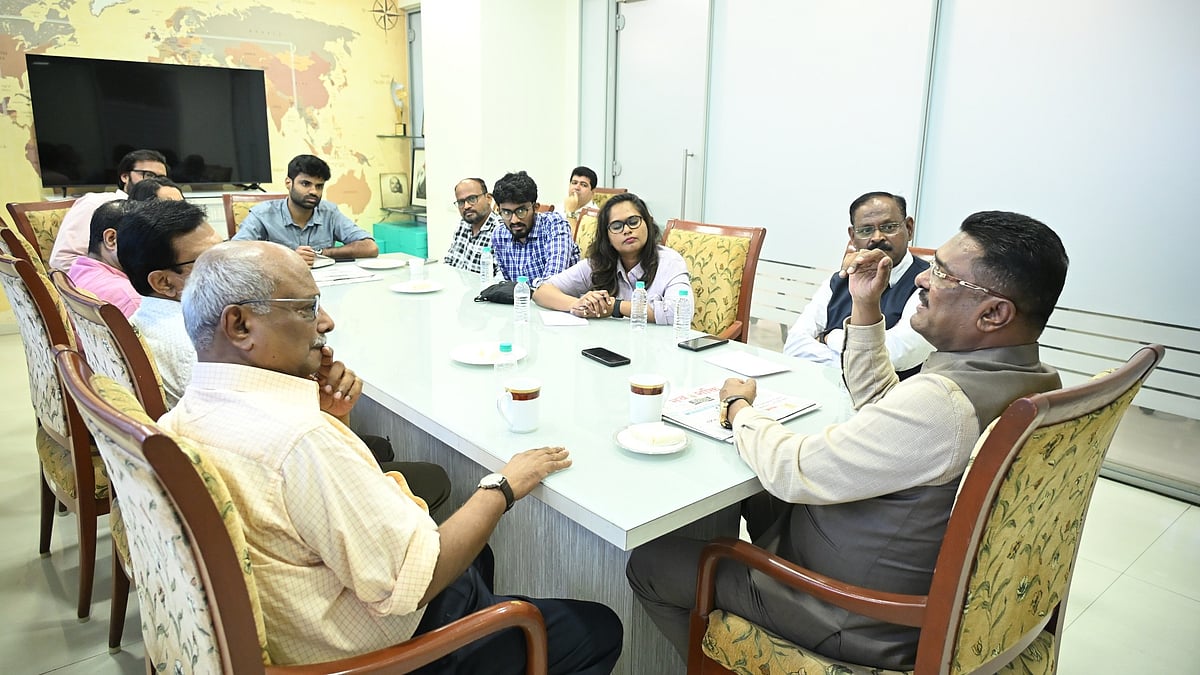
Mumbai: Maharashtra transport minister Pratap Sarnaik has announced a series of measures aimed at improving passenger safety, modernising public transport and addressing long-standing issues such as taxi refusals and traffic congestion in the state.
Volvo Buses With Alcohol Detection
In an interview, Sarnaik said the state transport department has ordered 200 Volvo buses equipped with advanced safety technology that will prevent drivers from operating the vehicle if they are under the influence of alcohol.
Driver Safety Monitoring Technology
“These buses have special features which will not allow any driver in an inebriated state to start the vehicle,” Sarnaik said. He explained that although drivers are subjected to breath analyser tests before duty, some may later consume alcohol provided by acquaintances during the journey.
Fatigue Alerts and ‘Smart Buses’
According to him, the technology installed in the buses will detect the driver’s condition and prevent the vehicle from starting if alcohol is detected. Of the 200 buses ordered, 30 will be sleeper coaches while the rest will operate as city buses.
Sarnaik said the vehicles will also have driver-monitoring technology capable of detecting fatigue or distraction. “If the driver dozes off or is distracted, such as looking at a phone, a siren will go off to alert and wake the driver,” he said, adding that he has named the fleet “smart buses.” Approval from the central government for the Volvo buses is currently pending.
Existing Smart Bus Fleet
He further said that around 8,000 smart buses manufactured by Tata have already been procured for the state transport system, though the alcohol detection system will initially be available only in the Volvo fleet.
Taxi Refusal Complaints
Addressing a common grievance of commuters in cities such as Mumbai, Sarnaik acknowledged that refusal by taxi and auto-rickshaw drivers to ply short distances remains a major problem. “If calculated, nearly 80 to 90 percent of complaints are about drivers refusing short trips,” he said.
QR Code Complaint System
To tackle this, the government plans to introduce a QR code-based system that will be displayed inside every taxi and auto-rickshaw. Passengers will be able to scan the QR code to access details of the vehicle and driver and lodge an immediate complaint in case of refusal.
“The system will be similar to those used in several Western countries,” Sarnaik said, adding that it will be implemented through the Regional Transport Office (RTO). Once scanned, the QR code will also allow passengers to share their live travel status with the RTO, police and family members, enhancing commuter safety.
Centralised Complaint Management
Complaints registered through the system will be directly routed to a command and control centre, which will take action against errant drivers. Sarnaik said the policy is expected to be implemented within the next three months.
Fuel Supply Risks Highlighted
Speaking about the potential impact of global conflicts on the state’s transport sector, Sarnaik said Maharashtra is heavily dependent on external fuel supplies. “If there is a disruption in fuel availability, it will definitely affect the transport sector,” he said, warning that industries dependent on fuel, such as hospitality, could also face serious disruptions.
Illegal Immigrant Scrutiny
On concerns about illegal immigrants allegedly working in the transport sector, particularly in areas such as Mira Road and Bhayander, Sarnaik said authorities are tightening scrutiny of licences and permits. He claimed some licences were obtained using fake documents and said the government has halted permits for auto-rickshaws linked to aggregator platforms in order to curb irregularities.
Priority Permits for Locals
The minister added that stricter verification will now be carried out before issuing permits, with priority given to families of freedom fighters, farmers and members of the armed forces who genuinely require such licences for livelihood.
Parking Infrastructure Challenges
On the issue of parking management, Sarnaik said Maharashtra still lacks the infrastructure required to implement strict parking policies similar to those in countries such as Singapore or Hong Kong. “We need proper underground parking spaces, parking plazas and truck terminals before penalising large vehicles for parking violations,” he said, noting that parking towers have largely failed due to lack of usage and public discipline.
ALSO READ
Also Watch:
Traffic Patterns on Ghodbunder Road
Speaking about traffic congestion on Ghodbunder Road, Sarnaik said the area has unique traffic patterns due to local travel habits. Many residents commute by car to western suburbs during weekdays and remain within the locality during weekends, he said. He also pointed out that rapid and often illegal construction in the area has contributed to congestion.
Transition to Electric Vehicles
On electric mobility, Sarnaik said the state currently operates around 40,000 diesel buses, but the long-term goal is to completely transition to electric vehicles. “By 2035, there will not be a single diesel bus in the state transport fleet. All buses will run on electric power,” he said.
He added that retrofitting technology will help convert some existing fuel-based buses into electric vehicles. At present, charging infrastructure is still developing, with around 30 percent of the required EV charging capacity in place. The government is working on expanding charging stations through both state investment and public-private partnership (PPP) models.
Fuel Procurement Reforms
Sarnaik also highlighted financial reforms in fuel procurement for the state transport undertaking. He said the Maharashtra State Road Transport Corporation previously received a diesel discount of Rs 2.70 per litre, but after floating a competitive tender, the discount increased to Rs 5.14 per litre, significantly boosting revenue.
“With an annual diesel requirement worth about Rs 3,300 crore to run around 14,000 buses, the improved discount will generate over Rs 200 crore in additional revenue each year,” he said, adding that the move reflects a more competitive and transparent procurement policy.
To get details on exclusive and budget-friendly property deals in Mumbai & surrounding regions, do visit: https://budgetproperties.in/
RECENT STORIES
-
-
-
-
-