Navi Mumbai Medical Breakthrough: 57-Year-Old Woman Recovers From Rare CNS Vasculitis After Timely Diagnosis At Medicover Hospital
A 54-year-old Navi Mumbai woman recovered fully after doctors at Medicover Hospital diagnosed rare CNS vasculitis that initially appeared to be a routine brain haemorrhage caused by hypertension. Timely neurological intervention and immunosuppressive treatment prevented permanent disability and possible paralysis.

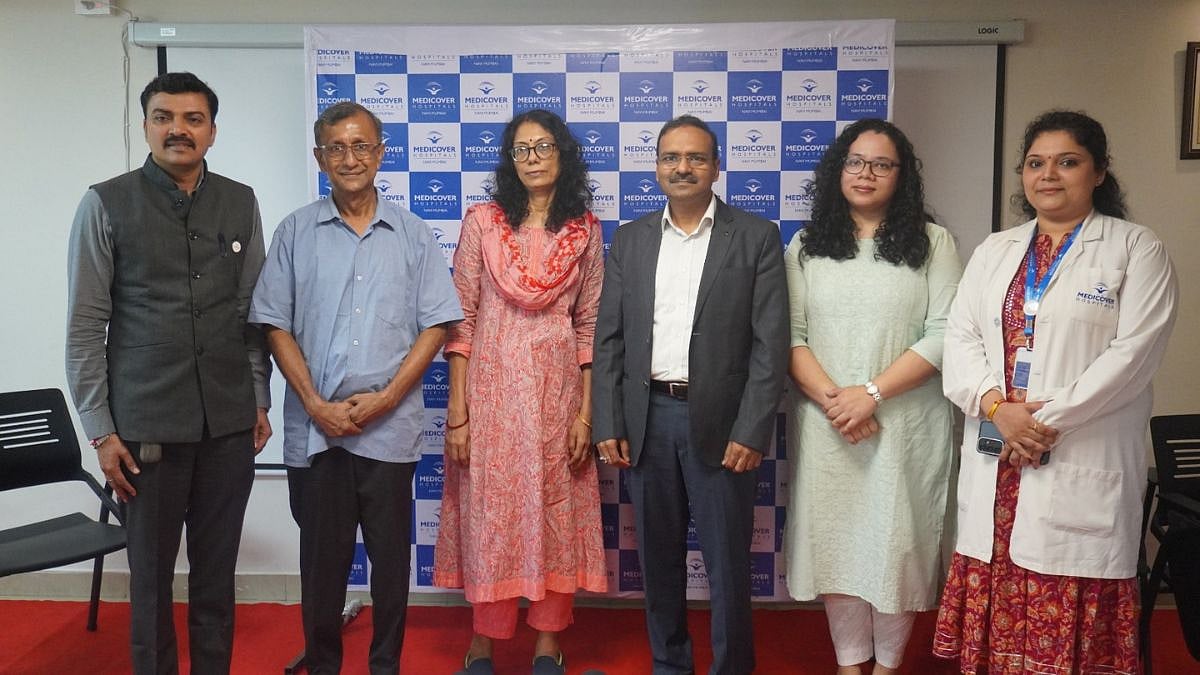
Doctors at a Navi Mumbai hospital successfully treated a rare brain vessel disorder after a patient’s condition worsened beyond a routine haemorrhage case | File Photo
Navi Mumbai, May 23: A 54-year-old Navi Mumbai woman narrowly escaped severe permanent disability after doctors at a Navi Mumbai hospital diagnosed a rare and potentially life-threatening neurological condition, CNS vasculitis, after what initially appeared to be a routine brain haemorrhage caused by hypertension.
The patient, Chaitali Halder, who has a 10-year history of high blood pressure and diabetes, was rushed to Medicover Hospital after developing sudden weakness on the left side of her body, slurred speech, and inability to sit or stand without support.
Doctors found her blood pressure dangerously high at 220/110 mmHg, and initial CT scans revealed bleeding in the right frontal region of the brain along with swelling.
Doctors detect unusual neurological pattern
According to doctors, the patient was stabilised in the intensive care unit with strict blood pressure control, anti-oedema therapy, and anti-epileptic medication.
While her condition remained stable for nearly two days, she suddenly deteriorated around 56 hours later, developing worsening weakness in her left arm and becoming drowsy and unresponsive to verbal commands.
A repeat brain scan showed fresh brain infarctions without any increase in bleeding, along with multiple cortical microbleeds. The unusual combination of bleeding and infarcts prompted the medical team to investigate further for an underlying cause beyond a typical hypertensive brain haemorrhage.
Dr Pawan Ojha, Regional Director of Neurosciences at Medicover Hospital, said advanced MRI scans and further investigations pointed towards small vessel CNS vasculitis, a rare inflammatory condition affecting blood vessels in the brain. He noted that the disease occurs in around 2.4 cases per million and can present with atypical brain bleeds, strokes, seizures, or cranial nerve involvement.
“Routine angiography tests were normal, which can often mislead clinicians, as small vessel CNS vasculitis does not show up on these tests. Elevated inflammatory markers and positive autoimmune indicators supported the diagnosis,” Dr Ojha said.
Timely treatment prevents permanent damage
Doctors immediately initiated high-dose intravenous steroids and immunosuppressive therapy to control the inflammation and prevent further brain damage.
Dr Suranjana Basak, Consultant Neurologist at Medicover Hospital, said the case was particularly challenging because standard imaging tests, including CT angiography and Digital Subtraction Angiography (DSA), failed to detect the condition since the affected blood vessels were too small to be visualised.
“The presence of both bleeding and infarcts together, along with an unusual distribution of microbleeds, served as a critical red flag. Early treatment was crucial because waiting for definitive confirmation could have delayed life-saving intervention,” she said.
Following treatment, the patient showed rapid improvement and was discharged after 10 days. Doctors said she recovered fully within a week after discharge and is now able to walk independently and carry out all daily activities without assistance.
Also Watch:
ALSO READ
Dr Ojha said delayed diagnosis or treatment could have resulted in permanent paralysis on the left side and lifelong dependency. He added that the case underlined the importance of recognising rare causes of stroke when brain bleeds behave atypically.
To get details on exclusive and budget-friendly property deals in Mumbai & surrounding regions, do visit: https://budgetproperties.in/
RECENT STORIES
-
-
-
-
-