Mumbai: KEM Hospital Moves Towards Incision-Free Virtual Autopsies, Facility Targeted Within 11 Months
Mumbai's KEM Hospital is preparing to introduce virtual autopsy, an incision-free post-mortem technique using CT scans and 3D imaging. The facility is targeted to become operational within 11 months. Maharashtra also plans to introduce the technology at Sir JJ Hospital to modernise forensic investigations.

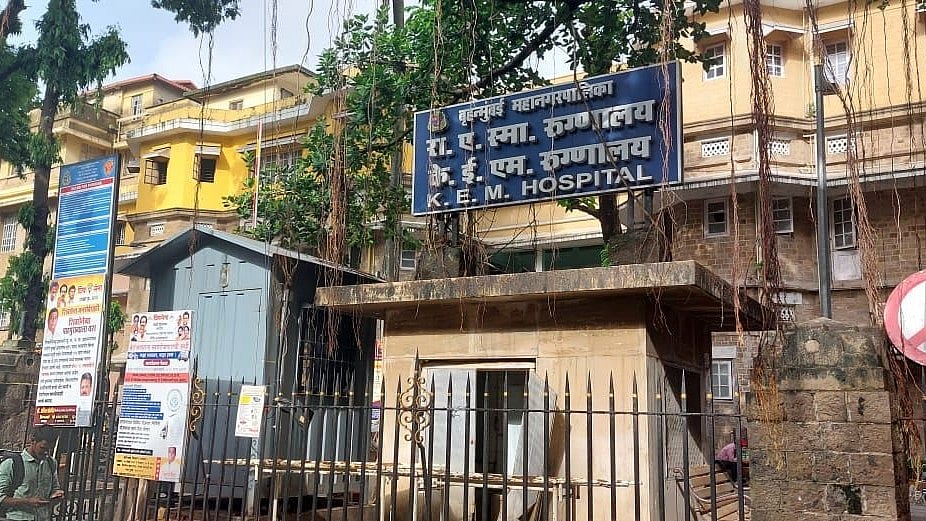
KEM Hospital Plans To Introduce CT Scan-Based Post-Mortem Technology To Modernise Forensic Investigations And Reduce Invasive Procedures | Prashant Narvekar
Mumbai, October 31, 2026: In a major step towards modernising the post-mortem process, the civic-run KEM Hospital in Parel is set to introduce virtual autopsy, a non-invasive technique that allows forensic examination of deceased persons without cutting open their bodies. The hospital is preparing to float a tender for the project and aims to make the facility operational within the next 11 months.
According to hospital officials, the project is a dream initiative of Maharashtra Chief Minister Devendra Fadnavis. The state government plans to initially introduce the facility at KEM Hospital and the state-run Sir JJ Hospital in Mumbai. The responsibility of overseeing its implementation has been entrusted to the respective hospital deans.
Maharashtra Plans Non-Invasive Post-Mortems
While informing the Maharashtra Legislative Council about the initiative in July 2026, Fadnavis said around 90–95% of post-mortem examinations worldwide were conducted using non-invasive methods. Maharashtra is now looking to adopt the technology to modernise its forensic investigation system.
Also known as a non-invasive post-mortem, virtual autopsy uses CT scans and other radiological techniques to examine a deceased person's body. Unlike conventional post-mortems, which involve making surgical incisions to examine internal organs, the procedure involves placing the body in a specialised bag and passing it through a CT scan machine.
CT Scans To Generate 3D Images
“Within seconds, the machine captures thousands of images of internal organs, bones and tissues, generating detailed three-dimensional images. Forensic experts analyse these digital images to identify internal bleeding, fractures, injuries and foreign objects such as bullets, helping establish the possible cause of death,” said a senior official from KEM Hospital.
The technology can be particularly useful in investigating traumatic deaths, including road accidents, gunshot injuries and suspected physical assault. It also creates a digital record of the body's internal condition that can be referred to during subsequent forensic examinations and legal proceedings.
Conventional Autopsies May Still Be Needed
However, virtual autopsy may not completely replace conventional post-mortems. While CT scans can identify fractures, internal bleeding and skeletal injuries, they may not detect certain microscopic changes, subtle soft-tissue injuries or conditions requiring tissue sampling. Such cases may still require traditional autopsy procedures.
Also Watch:
The facility is expected to strengthen forensic investigations and provide an additional tool to doctors while reducing the need for invasive examinations in suitable cases.
To get details on exclusive and budget-friendly property deals in Mumbai & surrounding regions, do visit: https://budgetproperties.in/
RECENT STORIES
-
-
-
-
-