Early Gestational Diabetes Can Be Detected In First Trimester, 2 Indian Studies Reveal
Two major Indian studies show gestational diabetes can be detected in the first trimester, with early GDM affecting over 20% of pregnant women. Experts say universal early screening could prevent complications and improve maternal and child health outcomes.

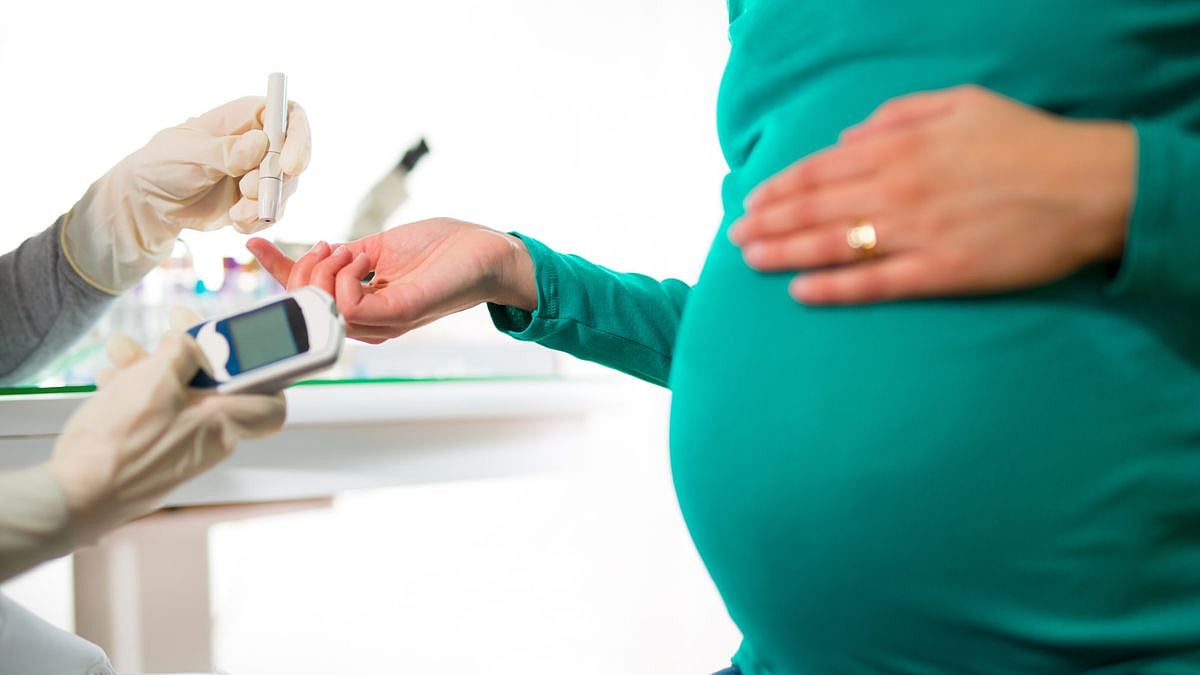
Early Gestational Diabetes Can Be Detected In First Trimester, 2 Indian Studies Reveal | Representational Image
Mumbai, Dec 20: Gestational diabetes mellitus (GDM), traditionally detected in the second trimester, can now be identified as early as the first trimester, according to two Indian studies that provide the world’s first large-scale evidence of widespread early GDM (EGDM). The findings strengthen the case for universal diabetes screening at the very start of pregnancy.
ICMR–INDIAB study reveals high prevalence
The first study, conducted under the ICMR–INDIAB programme, assessed 1,032 pregnant women across all states and union territories of India. It reported an overall GDM prevalence of 22.4%, with early GDM seen in 19.2% of women and late GDM in 23.4%.
No urban–rural divide, Central India tops chart
Published in the Indian Journal of Medical Research, the study is the first nationally representative survey to report both EGDM and late GDM prevalence. Notably, it found no significant urban–rural divide, while Central India recorded the highest prevalence at 32.9%.
STRiDE study corroborates early GDM findings
The second study, STRiDE (STratification of Risk of Diabetes in Early Pregnancy), involved 3,070 women recruited before 16 weeks of gestation across seven Indian antenatal clinics, in collaboration with the University of Warwick (UK) and centres in Kenya.
Risk factors differ between early and late GDM
The study found an EGDM prevalence of 21.5% and late GDM prevalence of 19.5%. Women with EGDM had higher BMI, HbA1c levels, and a prior history of GDM, while family history of diabetes was more strongly associated with late GDM.
Experts call for universal first-trimester screening
“These findings mark a pivotal shift in our understanding of gestational diabetes,” said Dr V. Mohan, principal investigator of the ICMR–INDIAB study and chairman of the Madras Diabetes Research Foundation.
“The high prevalence of early GDM across regions highlights the urgent need for universal screening from the first trimester to protect both mother and child.”
South Asian women at higher risk
Prof. Ponnusamy Saravanan of the University of Warwick, lead author of the STRiDE study, noted that South Asian women are at particularly high risk. “Using the STRiDE risk score, it is possible to predict GDM early and intervene in time,” he said.
Untreated EGDM linked to long-term risks
Experts warn that untreated EGDM increases the risk of preterm birth, neonatal hypoglycaemia, and future type 2 diabetes in both mother and child. The findings gain added significance as the International Diabetes Federation (IDF) works on global guidelines for diabetes in pregnancy.
Findings gain global relevance
In recognition of his contributions, Dr V. Mohan has been appointed chairman of the IDF Working Group on Diabetes in Pregnancy, where he will help shape future global recommendations.
Also Watch:
Paradigm shift in antenatal care signalled
The studies collectively signal a paradigm shift in antenatal care, underscoring that early screening and intervention could significantly improve maternal and child health outcomes in India and beyond.
To get details on exclusive and budget-friendly property deals in Mumbai & surrounding regions, do visit: https://budgetproperties.in/
RECENT STORIES
-
-
-
-
-