Bombay HC Slams Mumbai Police Over Externment Order Against Activist, Says Citizens Can't Be 'Slaves Of Govt'
The Bombay High Court quashed a one-year externment order against SDPI leader Saeed Ahmad Abdul Wahid Chaudhary, criticising Mumbai Police for acting against peaceful protests. Justice Madhav J. Jamdar said police serve the public, not governments, and reaffirmed that peaceful dissent is a constitutional right

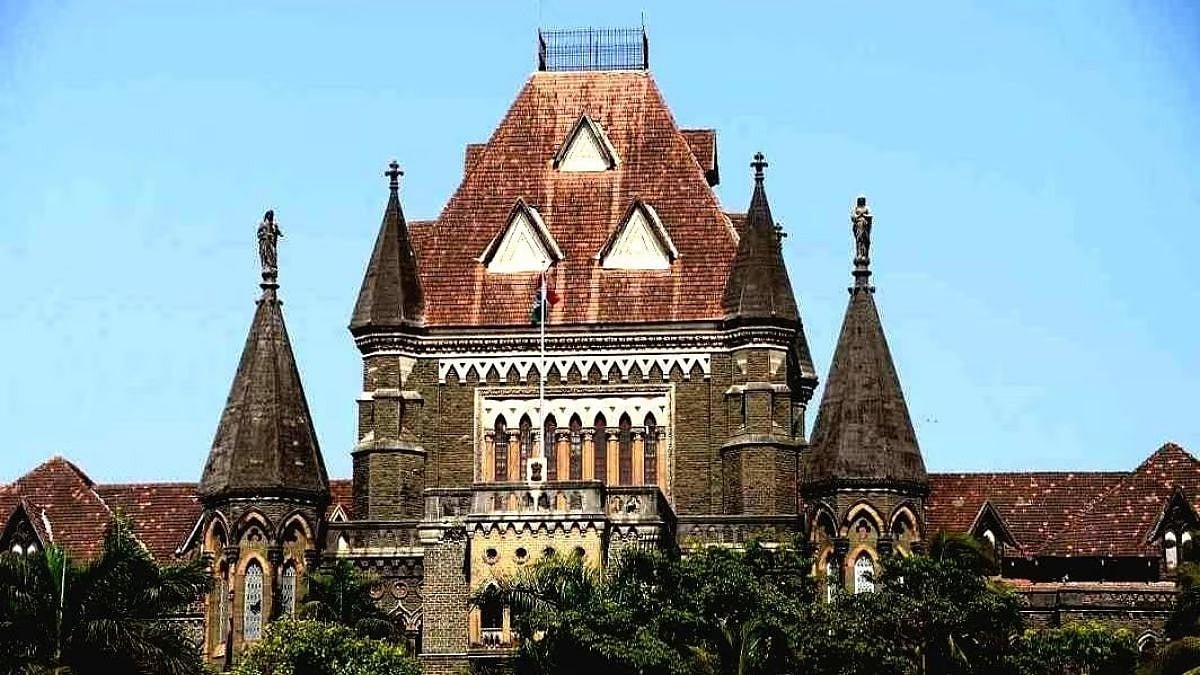
Bombay High Court. | File
Mumbai: The Bombay High Court has sharply criticised the Mumbai Police for barring Social Democratic Party of India (SDPI) state general secretary Saeed Ahmad Abdul Wahid Chaudhary from entering the city over his role in organising and participating in peaceful anti-government protests.
Quashing the one-year externment order, Justice Madhav J. Jamdar questioned whether the police were attempting to turn citizens into "slaves of the government" by filing criminal cases against individuals merely for expressing dissent.
A single-judge bench of Justice Jamdar firmly reminded the police they are servants of the public and not of top government officials, and highlighted that the right to protest and raise slogans against political leaders is a fundamental right guaranteed to every Indian citizen, according to an NDTV report.
Court's sharp observations
“Citizens cannot be made slaves of the central government. Police are not servants of the chief minister or the prime minister. They are public servants. Are these cases registered against him because he is from some other party? Let him also switch sides and all such cases will go. Horse-trading is happening across the country,” Justice Jamdar remarked.
This legal battle started after Saeed Ahmad, the 49-year-old, challenged a December 2025 police order that forced him out of the city for a year. The police had justified this extreme measure by pointing to multiple police complaints registered against Chaudhary between 2019 and 2024.
These cases were filed because he organised protests without police permission regarding highly controversial national issues, including the Citizenship Amendment Act (CAA), the National Register of Citizens (NRC), and disputes surrounding the Babri Masjid and Gyanvapi mosques.
Police and state's stand
It further stated that Chaudhary delivered speeches and mobilised people, leading to traffic congestion and disruptions, and created law and order concerns. As his actions disturbed public peace, Chaudhary’s externment from Mumbai and adjoining districts was ordered within two days.
The state government defended the ban, arguing that the action was justified because the protests were held after the police had explicitly refused to grant permission.
ALSO READ
Court reaffirms fundamental rights
The court observed that Articles 19 and 21 of the Constitution guarantee every citizen the fundamental rights to freedom of speech and expression, as well as the right to live with dignity. It held that curbing these rights merely because an individual peacefully opposed government policies would create a dangerous precedent. Reaffirming the importance of democratic values, the judge stressed that peaceful dissent is an essential cornerstone of a vibrant democracy.
RECENT STORIES
-
-
-
-
-