BEST To Reintroduce Smaller CNG Buses In Bhandup, Eastern Suburbs After Electric Bus Mishaps On Sloping Roads
After two recent mishaps involving long electric buses in Bhandup, BEST plans to procure 500 air-conditioned nine-metre CNG midi buses for safer operations on narrow and hilly routes. The proposal aims to improve manoeuvrability, boost Metro last-mile connectivity, and support fleet expansion, though funding remains a key challenge.

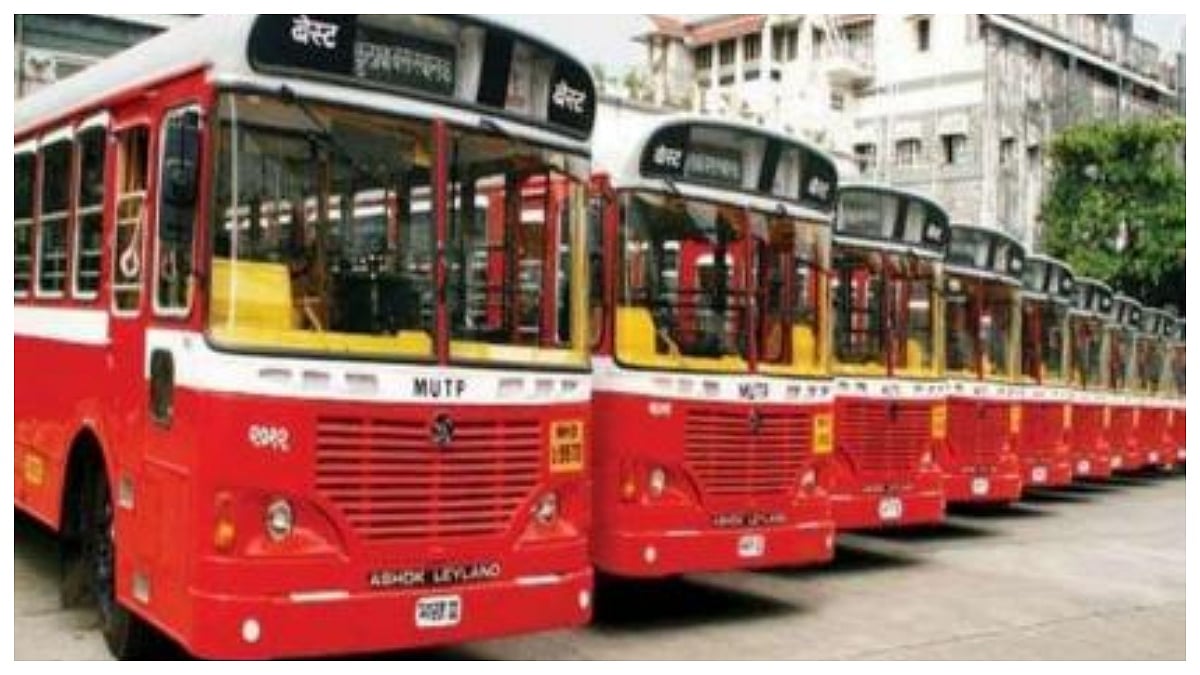
BEST To Reintroduce Smaller CNG Buses In Bhandup, Eastern Suburbs After Electric Bus Mishaps On Sloping Roads | File Image
Mumbai: After two recent mishaps in Bhandup involving long electric buses, the BEST Undertaking has decided to reintroduce smaller, nine-metre CNG buses to improve safety and manoeuvrability in the eastern suburbs.
500 AC midi buses to be procured
In a proposal currently under process, BEST has sought to procure 500 air-conditioned CNG midi buses. These shorter buses are expected to operate on narrow and hilly routes in areas such as Bhandup, Powai, Vikhroli and Kanjurmarg, where 12-metre electric buses have faced operational challenges. The move follows a Sunday incident in which a parked electric bus rolled backwards and hit a roadside booth. An initial probe blamed driver error, stating that the handbrake was not applied.
Officials, however, said the issue goes beyond human error. “Long buses are difficult to handle on congested and sloping roads like routes 605 and 606. Smaller buses are more suitable for such terrain,” a senior BEST official said. The undertaking had earlier planned to add 200 midi buses, but has now increased the number to 500, factoring in last-mile connectivity needs for multiple Metro corridors.
315 midi buses needed for Metro links
At present, BEST operates over 600 midi buses through wet lease and a limited number of non-AC Tejaswini buses. Many such buses were phased out in late 2025. Officials now say at least 315 additional midi buses will be required to support connectivity to Metro Lines 1, 2A, 2B, 3, 7 and 9.
ALSO READ
The proposal, however, faces financial hurdles. Each bus is expected to cost ₹40–50 lakh, and funding remains uncertain. BEST is exploring options including wet leasing, government subsidies, or direct financial support from the Brihanmumbai Municipal Corporation. “The financial model must be clearly defined as the undertaking is already under debt pressure,” a BEST committee member said.
Chairperson Trushna Vishwasrao has urged the BMC to treat BEST as an integral part of the civic system and extend greater support. She said discussions have also been held with Deputy Chief Minister Eknath Shinde and Chief Minister Devendra Fadnavis regarding financial revival. BEST aims to expand its fleet to 5,000 buses by 2026–27. But achieving this target will depend heavily on timely funding and delivery of buses, making the current proposal critical for both safety and service expansion.
To get details on exclusive and budget-friendly property deals in Mumbai & surrounding regions, do visit: https://budgetproperties.in/
RECENT STORIES
-
-
-
-
-