BEST Strike Forces Mumbaikars To Metro And Overcrowded Taxis, Metro Ridership Surges By Over 30,000 Passengers
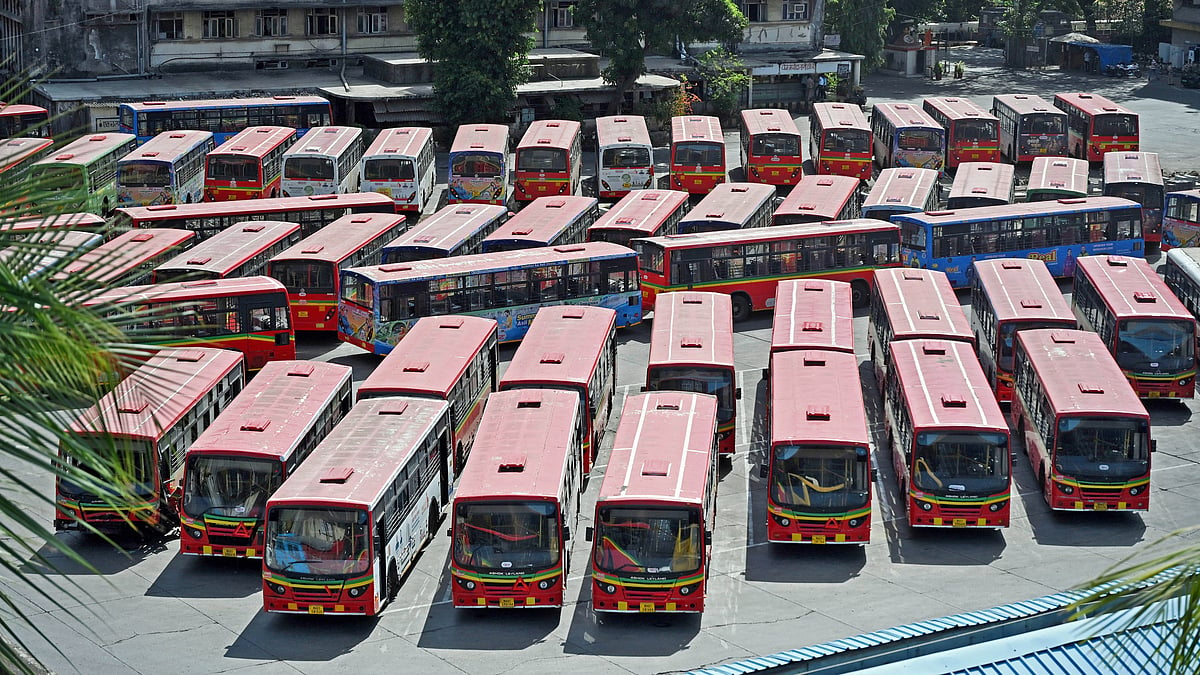
In Mumbai, the ongoing BEST employees’ strike forced thousands of commuters to shift to metros, railways and sharing taxis, causing overcrowding across major transit hubs. Metro ridership surged sharply, with Mumbai Metro One reporting around 38,000 additional passengers by evening.

BEST Strike Forces Mumbaikars To Metro And Overcrowded Taxis, Metro Ridership Surges By Over 30,000 Passengers |
Mumbai: The ongoing BEST employees’ strike forced thousands of Mumbaikars to switch to alternative modes of transport on Friday, leading to a sharp rise in metro ridership and overcrowding in sharing taxis across the city. The disruption also dealt a blow to the second day of the Public Transport Day initiative at Bandra-Kurla Complex (BKC), where many commuters were compelled to use private vehicles due to the absence of BEST bus services.
Overcrowded Taxis
With BEST buses largely off the roads, railway stations and metro corridors witnessed heavy crowds during peak office hours. Taking advantage of the situation, several sharing taxi operators were found carrying passengers far beyond their permitted capacity. At major transit hubs including CSMT, Churchgate, Nariman Point, Dadar and Mahalaxmi, six-seater taxis were allegedly modified with makeshift seating arrangements and packed with as many as 10 to 12 passengers. Following complaints, officials from the Mumbai Central Regional Transport Office (RTO) conducted inspections at Mahalaxmi, Haji Ali and other locations. Out of 85 taxis checked, action was taken against eight drivers for illegal operations and transport rule violations.Commuters travelling to the Bandra Kurla Complex (BKC), one of Mumbai's key business districts, also faced considerable inconvenience. Many were forced to walk long distances in the scorching heat to reach metro stations or railway stations, while others complained of being overcharged by autorickshaw drivers.
ALSO READ
Metro One Surge
The biggest beneficiary of the strike was Mumbai’s metro network. Reliance Infrastructure-promoted Mumbai Metro One recorded a significant increase in passengers, with nearly 38,000 additional commuters travelling till 5.30 pm compared to a normal working day. The operator expects around 60,000 extra passengers by the end of service hours. To manage the rush, Metro One operated 486 services, including 10 additional trips, while maintaining a peak-hour frequency of 3 minutes 20 seconds.
Metro Lines 2A, 7 and 9 also reported a notable jump in ridership. Passenger footfall increased from 2,34,593 on June 18 to 2,48,453 commuters till 7 pm on June 19, an increase of 13,860 passengers in a single day. Meanwhile, Mumbai Metro Line 3 witnessed an even sharper rise. Total ridership till 7 pm reached 1,81,716 commuters, compared to 1,51,502 on June 18 and 1,44,291 on June 12. The increase of more than 30,000 passengers over the previous day highlights how commuters increasingly relied on metro services as the city grappled with the impact of the BEST strike.
To get details on exclusive and budget-friendly property deals in Mumbai & surrounding regions, do visit: https://budgetproperties.in/
RECENT STORIES
-
-
-
-
-