2006 Malegaon bomb blasts case: NIA Relied On Hearsay Witnesses, Inadmissible Evidence, HC Discharges Four Persons
The Bombay High Court quashed charges in the 2006 Malegaon blasts case, criticising the National Investigation Agency for relying on hearsay and weak evidence while ignoring ATS findings. Citing contradictory probes and lack of admissible material, the court discharged all accused, calling the case a “dead end.”

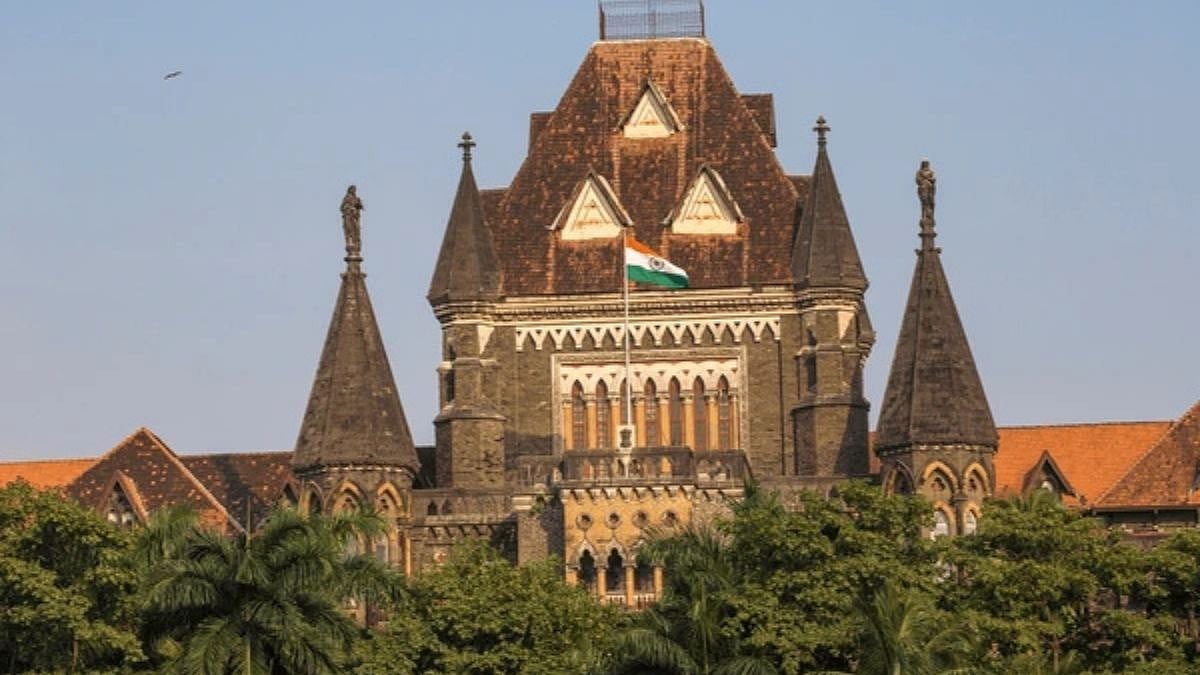
2006 Malegaon bomb blasts case: NIA Relied On Hearsay Witnesses, Inadmissible Evidence, HC Discharges Four Persons | File Photo
Mumbai: The Bombay High Court, while quashing the charges against four accused in the 2006 Malegaon bomb blasts case, sharply criticised the National Investigation Agency (NIA) for relying on “ “hearsay witnesses” and “inadmissible evidence” while ignoring earlier findings of the Maharashtra Anti-Terrorism Squad (ATS).
The court noted that there were “diagonally opposite stories” put forth by the Maharashtra Anti-Terrorism Squad (ATS) and NIA, that could not be “reconciled by any stretch of imagination”.
A bench of Chief Justice Shree Chandrashekhar and Justice Shyam Chandak, on Wednesday, set aside the September 30, 2025 order of a special NIA court, holding that there was “no sufficient material on record to proceed” against the accused. The court discharged Manohar Narwaria, Rajendra Chaudhary, Dhan Singh and Lokesh Sharma, effectively leaving no accused currently facing trial in the case. The detailed judgement copy was made available late at night.
The HC passed the judgment while allowing an appeal filed by two of the accused challenging the trial court’s decision framing charges against them.
ALSO READ
The bench underscored that at the stage of framing charges, a judge must apply judicial mind and cannot act as a “mere post office” at the behest of the prosecution. It noted that charges can only be framed when there are grounds to presume that the accused has committed an offence, adding that such grounds were absent in the present case.
The court found serious inconsistencies between the investigations conducted by the ATS and the NIA, observing: “The diagonally opposite stories in the charge-sheet filed by the ATS and the NIA lead nowhere,” the bench said, adding that the case appeared to have reached a “dead end”.
Coming down heavily on the NIA, the court noted that most of the witnesses cited by the agency were “hearsay witnesses” and that the material it relied upon — including evidence relating to the purchase of bicycles allegedly used in the blasts — could not be treated as incriminating. Even if such material were assumed to be truthful, it was insufficient to link the accused to the crime, the court said.
The bench also rejected the evidentiary value of disclosure statements and retracted confessions relied upon by the NIA. “A witness who gives two versions of a story and retracts his previous statement becomes an unreliable witness and his testimony is liable to be discarded,” the court observed. It reiterated that criminal jurisprudence does not accept the presumption that a confession necessarily implies guilt.
ALSO READ
The court further held that the NIA’s so-called “further investigation” amounted to a fresh probe, which is impermissible in law. It questioned why the agency failed to collect fresh, independent evidence and instead relied heavily on retracted statements of accused persons and witnesses.
Importantly, the bench said that evidence collected by the ATS — including forensic reports indicating the presence of RDX and other explosive materials — could not simply be ignored. “The evidence collected by the ATS… is not wiped out from the record,” it said, raising concerns over how the trial court overlooked such material while framing charges.
Finding that the special judge had failed to properly evaluate admissible evidence and had relied on material that could not be legally sustained, the High Court concluded that the order framing charges was unsustainable.
“The Special Judge did not apply his judicial mind… and considered materials which are not admissible in evidence,” the bench held, while discharging the accused and releasing them from their bail bonds.
The 2006 blasts in Malegaon, a textile town in the Nashik district, occurred on September 8, leaving 31 people dead and over 100 injured. Four bombs exploded near the Hamidia Mosque and the Bade Kabristan area during Friday prayers. A few days later, on September 13, a “fake” bomb was recovered from the staircase of the Mohammedia Mosque.
Following the explosions, an offence was registered under provisions of the Indian Penal Code, the Unlawful Activities (Prevention) Act and other laws against unknown persons. The initial probe was conducted by the Maharashtra Anti-Terrorism Squad (ATS), which arrested several individuals and filed a chargesheet in December 2006. Subsequently, the investigation was transferred to the Central Bureau of Investigation (CBI) in February 2007, which filed a supplementary chargesheet. The case was later handed over to the NIA in April 2011.
To get details on exclusive and budget-friendly property deals in Mumbai & surrounding regions, do visit: https://budgetproperties.in/
RECENT STORIES
-
-
-
-
-