World Lung Cancer Day 2026: Ayurvedic Tips To Keep Your Lungs Healthy Naturally
World Lung Cancer Day on August 1 highlights the importance of lung health. Discover common myths, warning signs, and simple Ayurvedic lifestyle habits, herbs and dietary tips that may support healthier lungs naturally.

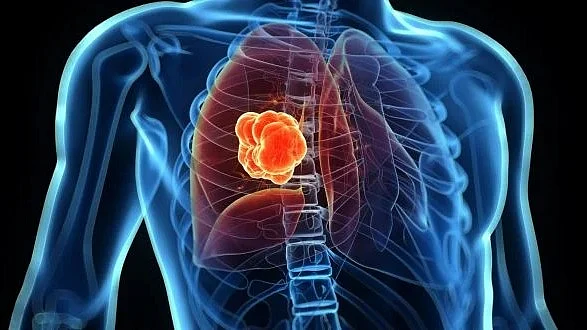
World Lung Day | representative pic
The risk of lung cancer is increasing, making preventive measures more important than ever. World Lung Cancer Day, observed on August 1, aims to raise awareness about the disease and encourage early detection and prevention. In this article, we explore lung cancer, debunk some common myths, discuss the Ayurvedic approach to maintaining lung health, and highlight relevant Patanjali products that support respiratory wellness.
What is Lung Cancer?
What is Lung Cancer?
Lung cancer occurs when abnormal cells in the lungs grow uncontrollably. Common symptoms include a persistent cough, chest discomfort, wheezing, coughing up blood, recurrent infections such as bronchitis, and unexplained weight loss. Major risk factors include tobacco use through smoking or exposure to second-hand smoke, as well as prolonged exposure to silica, air pollution, asbestos, and radon gas.
The most common type is non-small cell lung cancer, which generally grows more slowly. The second type is small cell lung cancer, an aggressive form that accounts for about 15% of cases and is more strongly associated with smoking. A rarer type, carcinoid tumour, is slow-growing and usually begins in the bronchial tubes.
In India, the burden of lung cancer is rising, with around 5.9% of cases diagnosed at an advanced stage. Tobacco consumption, air pollution, and exposure to second-hand smoke remain some of the leading contributing factors.
Myths about Lung Cancer
Myth: Only smokers are affected.
Fact: Around 20% of lung cancer cases occur in non-smokers. Exposure to second-hand tobacco smoke, air pollution, and radon gas can also increase the risk.
Myth: Lung cancer always shows obvious signs.
Fact: Although early detection improves the chances of successful treatment, lung cancer is often called a "silent killer" because symptoms may not appear until the disease has progressed.
Myth: A persistent cough is always a sign of lung cancer.
Fact: Symptoms vary from person to person. Some individuals may experience a persistent cough, while others may have few or no noticeable symptoms in the early stages.
Myth: Quitting smoking after many years doesn't make a difference.
Fact: It is never too late to quit smoking. Stopping tobacco use at any stage can help reduce the risk of developing lung cancer.
Myth: Lung cancer cannot be treated.
Fact: While lung cancer can be serious, advances in modern medicine have significantly improved early detection, treatment options, and survival rates.
Prevention is always better than cure. Ayurveda recommends simple lifestyle and dietary practices to help maintain lung health. You can also choose the right Patanjali products to support respiratory wellness.
3 Ayurvedic Tips to Maintain Lung Health and Avoid Cancer
Daily Habits: Practising pranayama and pratimarsha nasya may help support lung health, keep the respiratory passages clear, and reduce the impact of environmental pollutants. Steam inhalation with a few drops of mint or eucalyptus oil can help ease respiratory congestion. Adequate sleep and regular meditation contribute to overall well-being. Avoid tobacco in all forms and minimise exposure to air pollution and other lung-damaging pollutants.
Food Habits: Eat warm, easily digestible meals prepared with fresh, seasonal ingredients. Avoid cold or heavy foods that may increase mucus formation. A sattvic diet may help reduce irritation, support immunity, and strengthen the body's natural healing processes. Cumin and black pepper help stimulate digestion, while turmeric may help protect lung cells. Ginger has anti-inflammatory and antioxidant properties and may help clear mucus. Stay well hydrated by drinking warm water or herbal brews.
Herbal Habits: Tulsi may help relieve congestion and support lung function. Yashtimadhu is traditionally used to soothe irritated airways. Vasaka is known to help relax the airway muscles, reduce congestion, and support healthy breathing.
Patanjali offers a range of Ayurvedic products that help support respiratory wellness. Divya Bronchom (35 Gms) contains clove, tulsi, cinnamon, mulethi, amaltas, chhoti pippali, and other Ayurvedic herbs and spices. It helps maintain respiratory health by reducing chest congestion, promoting clear airways, and providing support for mild asthma and bronchitis symptoms.
You can also choose Divya Swasari Pravahi (250 Ml), which contains safed bansa, tulsi, sonth, clove, black pepper, and other Ayurvedic ingredients. It helps relieve colds and coughs by reducing phlegm and mucus, clears the bronchial tubes for easier breathing, and supports immunity to fight seasonal infections.
If you are experiencing a sore throat or cough, Patanjali Ginger Candy (100 Gms) is a convenient option. It combines the goodness of ginger in a sweet, warm, and spicy candy that is easy to carry and consume on the go.
On World Lung Cancer Day, observed on August 1, take a step towards better respiratory health by understanding the facts, debunking common myths, following Ayurvedic practices, and choosing the right Patanjali products to support healthy lungs.
RECENT STORIES
-
-
-
-
-