When Is The Longest Day Of 2026: Know Exact Date, Significance And Science Behind Summer Solstice
The word "solstice" is derived from the Latin terms sol (Sun) and sistere (to stand still), which refers to the Sun's apparent pause in its northward movement before it begins its gradual journey southward. Although many people refer to it as the longest day, it doesn't mean the hottest day of the year.

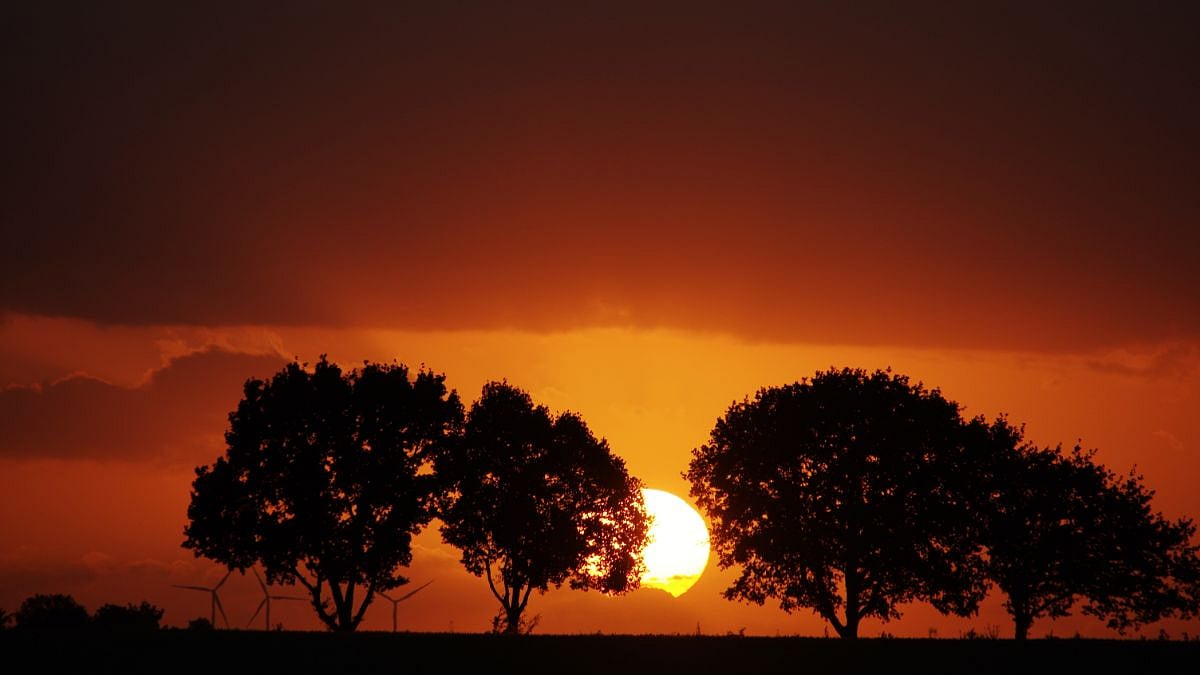
When Is The Longest Day Of 2026? |
The longest day of the year in the Northern Hemisphere is set to be observed on Sunday, June 21. It will mark the Summer Solstice of 2026 and the shortest night of the year in the Northern Hemisphere. This annual astronomical event takes place when the Earth's North Pole is tilted most directly toward the Sun, allowing regions north of the equator to receive the maximum amount of daylight.
What is the meaning of solstice?
The word "solstice" is derived from the Latin terms sol (Sun) and sistere (to stand still), which refers to the Sun's apparent pause in its northward movement before it begins its gradual journey southward. Although many people refer to it as the longest day, it does not mean the hottest day of the year. Temperatures often continue to rise in the weeks that follow because the Earth's land and oceans take time to warm up.
Significance of the Summer Solstice
The Summer Solstice has been observed for thousands of years across different cultures and civilizations. Ancient monuments such as Stonehenge in England were aligned with the sunrise on the solstices, highlighting its historical and spiritual significance. Many cultures celebrate the occasion through festivals, bonfires, gatherings, and rituals that honour the Sun and the abundance of summer.
How the solstice occurs?
The Earth is tilted on its fixed axis by about 23.5 degrees, relative to its orbit around the Sun. Because of this, different parts of Earth receive different amounts of sunlight throughout the year as the Earth orbits the Sun, which is responsible for the changing seasons and varying lengths of daylight throughout the year.
On the solstice, the Sun reaches its highest point in the sky at noon for locations in the Northern Hemisphere, directly overhead at the Tropic of Cancer. Because the Sun reaches its highest point in the sky, daylight lasts longer than on any other day of the year. The Summer Solstice marks the point when days start to gradually become shorter. Following this, each day will continue to decrease in length until day and night are equal at the equinox. Eventually, the nights will reach their longest duration at the winter solstice.
RECENT STORIES
-
-
-
-
-