When Is Kanwar Yatra 2026? Here's To Know Correct Date And More About The Sacred Yatra Dedicated To Lord Shiva
Kanwar Yatra is a way for devotees to express their devotion to Lord Shiva and seek his blessings. During the month of Sawan, Kanwariyas travel to specific locations on the Ganges to collect its holy water. The holy water is carried in decorated bamboo structures called Kanwars, which are balanced on the shoulders.

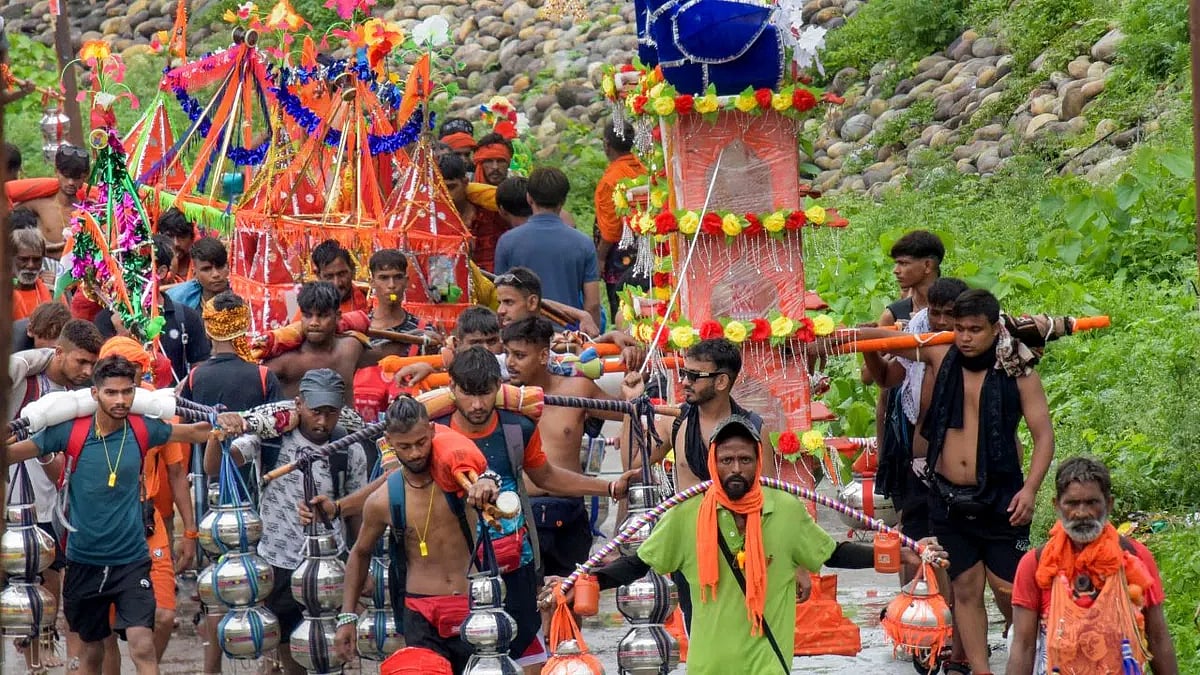
When Is Kanwar Yatra 2026 | X
Kanwar Yatra is one of the largest annual pilgrimages in India, the Kanwar Yatra is a sacred journey undertaken by millions of devotees of Lord Shiva, known as Kanwariyas. During this yatra, devotees collect holy water from the River Ganga and carry it in decorated bamboo poles called kanwars to offer it on Shiva Lingas at temples, especially on the auspicious occasion of Shravan Shivratri.
When is Kanwar Yatra 2026?
In 2026, the Kanwar Yatra will begin with the start of the holy month of Shravan or Sawan on July 30 and continue until Shravan Shivratri on August 11, 2026. During this period, devotees from states such as Uttar Pradesh, Uttarakhand, Haryana, Delhi, Rajasthan, Bihar, and Jharkhand participate in the pilgrimage with immense faith and devotion.
Significance of Kanwar Yatra
Kanwar Yatra is a way for devotees to express their devotion to Lord Shiva and seek his blessings. During the month of Sawan, Kanwariyas travel to specific locations on the Ganges to collect its holy water. The holy water is carried in decorated bamboo structures called Kanwars, which are balanced on the shoulders.
Most of the Kanwariyas undertake the journey barefoot, which symbolises their commitment, faith, and devotion to Lord Shiva. After collecting, the water is then offered at numerous Shiva temples. The revered yatra is not just a physical journey but also a spiritual one, involving fasting, celibacy, and other forms of austerity.
Pilgrims, especially from North India, travel to places like Haridwar, Gaumukh, and Gangotri in Uttarakhand, Prayagraj and Sultanganj in Bihar to collect holy water from the Ganges River.
Mythological link behind celebration
According to legends, during the Samudra Manthan (the cosmic churning), a powerful poison called Halahala emerged along with other divine items. Neither the gods nor the demons wanted to consume the poison. Lord Shiva knew that the poison was capable of destroying the universe. To protect the universe from Halahala, Lord Shiva consumed the poison.
Then, Goddess Parvati held his neck to prevent poison from spreading. The Goddess managed to stop the poison from spreading, but the poison caused a burning sensation in Lord Shiva's throat, turning it blue, and that is why Lord Shiva is also known as Neelkanth. The month of Sawan is dedicated to Lord Shiva in remembrance of this event. On this day, devotees offer water (Jal) to Lord Shiva, observe fasts, and offer prayers.
RECENT STORIES
-
-
-
-
-