The Rise And Rise Of Sports Marketing
Brands are chasing lucrative sports deals to ensure visibility at a global scale for a long-lasting impact

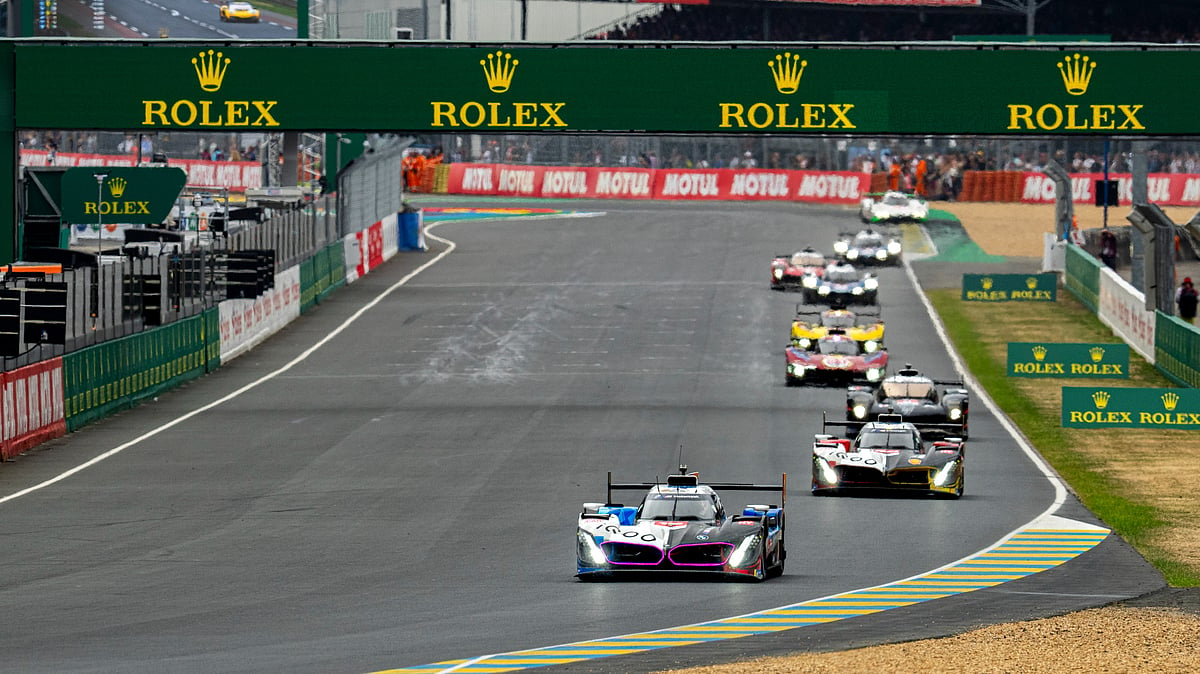
For 25 years, Rolex has been a trusted partner of the 24 Hours of Le Mans | Pic: Rolex
The Indian Premier League (IPL) completed yet another successful season with Royal Challengers Bengaluru (RCB) as repeat champions. A stupendous run for IPL with the highest per-match valuation, a staggering of $18.5 billion, translating into roughly $15.1 million per game. Despite the turmoil in West Asia and subsequent economic slowdown, it cements the tournament’s position as one of the most successful sporting events across the world. In the USA, the National Football League (NFL) tops in annual revenue, generating over $20-23 billion annually, piggybacking broadcasting deals with multiple networks. Premium ad slots exceed $7 million for 30 seconds during the Super Bowl broadcast, the league’s most valuable annual single-day sporting event. The ongoing FIFA World Cup 2026 is expected to rake in close to $11 billion.
These are the world’s richest leagues and sporting events. They lead the global sports ecosystem through massive broadcasting rights, sponsorships, and ticket sales. Brand sponsorships for IPL 2026 reached an estimated ₹1,000+ crore across the 10 franchises, revenues split between central league partnerships, official broadcasters, and individual team sponsorships. While the central sponsors remain Tata Group, which holds a multi-year ₹2,500 crore title sponsorship agreement, broadcast rights are with Star Sports (TV) and JioStar (Digital). This year’s edition saw 27 brand sponsors on JioStar during the tournament coverage. The other source of revenues is from franchise team sponsors, with top-tier teams commanding ₹130 to ₹160 crore each. Many-time champions, the Mumbai Indians have key sponsors in Malaysia Airlines, DHL, and Skechers, while a new team and this year’s finalist, the Gujarat Titans, partnered with Birla Estates, Google, BKT Tyres, AirAsia, etc.
Why brands champion sports
In today’s fragmented media landscape, reaching consumers and holding their attention is a massive challenge. Traditional advertising often faces high costs of reach and also suffers from viewer fatigue. Sports, however, offer a live, unscripted, and highly emotional experience that audiences watch in real-time. By tapping into the passion for sports, companies transform passive viewers into loyal customers. There are five strategic reasons brands get attracted to live sports.
Unmatched global reach and visibility
Major sporting events like the FIFA World Cup, the Olympics, and IPL attract billions of viewers globally. For a brand, having its logo displayed on a player’s jersey, stadium billboards, or digital broadcasts ensures instant international recognition. Ask a brand like Coca-Cola or a Visa card, and they will confirm.
Emotional equity and trust
Fans do not just watch sports; they live them. The intense loyalty, joy, and heartbreak associated with sports causes a psychological phenomenon known as ‘brand rub-off’. “The most sustainable sports businesses are built around fans, not athletes or events. Fans provide the emotional energy, community, data, engagement, and commerce that power the entire ecosystem. The future of sports marketing will be fan-driven, where brands create experiences, belonging, and participation rather than simply sponsoring teams or celebrities,” shares Sudheesh Avikkal, Sports Entrepreneur and Founder, SWorld and BluTik, a fan-first platform built around community and immersive experiences.
Strategic audience targeting
Sports allow brands to slice through the noise and target highly specific demographics. For instance, luxury watch or car makers like Rolex, Omega or Mercedes-Benz sponsor tennis and golf tournaments to reach affluent consumers, while energy drinks and tech startups align with extreme sports or e-sports to capture younger, digitally active audiences. Football and cricket allow big brands like Pepsi, Coca-Cola, Visa, Mastercard, and Adidas to reach mass markets and diverse age groups, thereby building global awareness and driving high-volume sales.
Luxury brands are increasingly using global sports events to host their HNI clients, trade partners and media to interact with their global leadership and ambassadors. An invite to the Rolex box at Wimbledon or TAG Heuer hospitality at an F1 paddock is a sure shot way to ensure clients have an opportunity to meet global stars like Roger Federer and Lewis Hamilton. No wonder partnerships like Rolex and Chopard have continued their association with Wimbledon and Mille Miglia for decades. And their associations also lead to special products that celebrate the relationships
The association between brands and live sports has evolved from simple logo placement into deep, purpose-driven integration. By aligning with sports, brands don’t just buy ad space; they buy a piece of the human experience. As long as passion drives sports, brands will continue to invest heavily to be part of the game.
RECENT STORIES
-
-
-
-
-