Odisha Celebrates Raja Parba 2026: A Festival Of Fertility, Womanhood And Earth
Raja Parba is a three-day vibrant festival dedicated to women. The festival, which coincides with the monsoon, is celebrated in Odisha. It derives its name from the Sanskrit word Rajaswala, meaning a menstruating woman. According to popular belief, Bhudevi (Mother Earth) undergoes menstruation during this period and is therefore given rest.

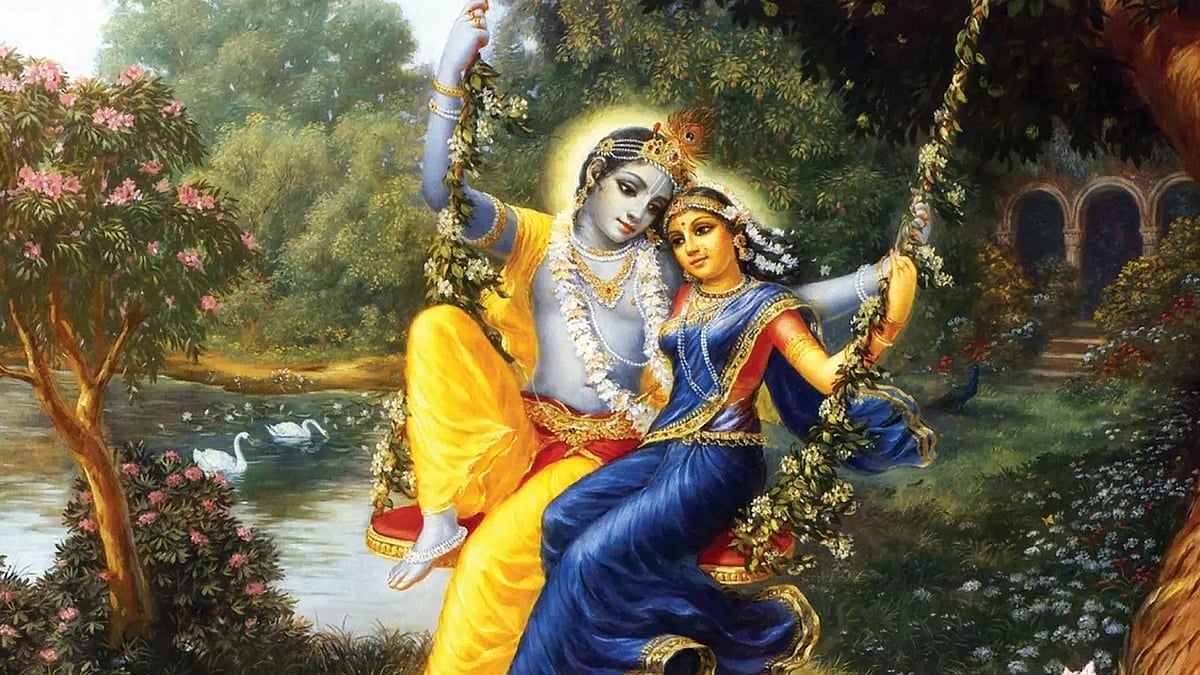
Raja Parba 2026 |
The vibrant state of Odisha is celebrating Raja Parba, one of its most cherished cultural festivals that honours womanhood, fertility and Mother Earth. Observed over four days in mid-June, Raja Parba marks the onset of the monsoon and symbolises the Earth’s annual menstrual cycle, reflecting the deep connection between nature and human life in Odia tradition. In 2026, the festival will be observed from June 13, 2026.
About Raja Parba
Raja Parba is a three-day vibrant festival dedicated to women. The festival, which coincides with the monsoon, is celebrated in Odisha. It derives its name from the Sanskrit word Rajaswala, meaning a menstruating woman. According to popular belief, Bhudevi (Mother Earth) undergoes menstruation during this period and is therefore given rest. As a mark of respect, agricultural activities such as ploughing, digging and sowing are suspended for the duration of the festival.
A four-day festival concludes with Basumati Snana
Raja Parba, also known as Mithuna Sankranti, is a unique festival celebrated with great fervour across Odisha.
Pahila Raja: The festival begins with Pahila Raja. On this day, girls and women wake up early in the morning, take a purifying bath and apply turmeric paste. It is a day of relaxation where girls and women wear traditional or new clothes, apply alta (a red dye) to their feet and avoid doing household chores.
Mithuna Sankranti or Raja Sankranti: The second day of Raja Parba marks the transition of the Sun into the solar month of Mithuna, the third month in the Indian solar calendar. The day also marks the official onset of the monsoon and is considered the first day of the rainy season.
Bhu Daha or Basi Raja: The festival concludes on the third day of the Earth’s menstruation period. During these three days, agricultural-related activities are stopped as it is believed that the Earth rests due to the ongoing menstruation period.
The festival concludes on the third day, but officially ends on the fourth day with Basumati Snana. It is a ceremonial bath in which women ritually bathe a grinding stone, which symbolises Mother Earth, with turmeric paste and flowers.
What is Sajabaja?
Sajabaja is also considered important as the preparatory day preceding Raja Parba. On this day, women grind spices and powder ingredients as cooking and fire-based activities are traditionally prohibited during the festival. As a result, traditional foods like Poda Pitha are prepared in advance.
RECENT STORIES
-
-
-
-
-