Is Your ‘Happy Friend’ Really Okay?
From social laughter to silent pain, experts reveal why the 'always happy' friend is often the one battling the most unseen emotional distress

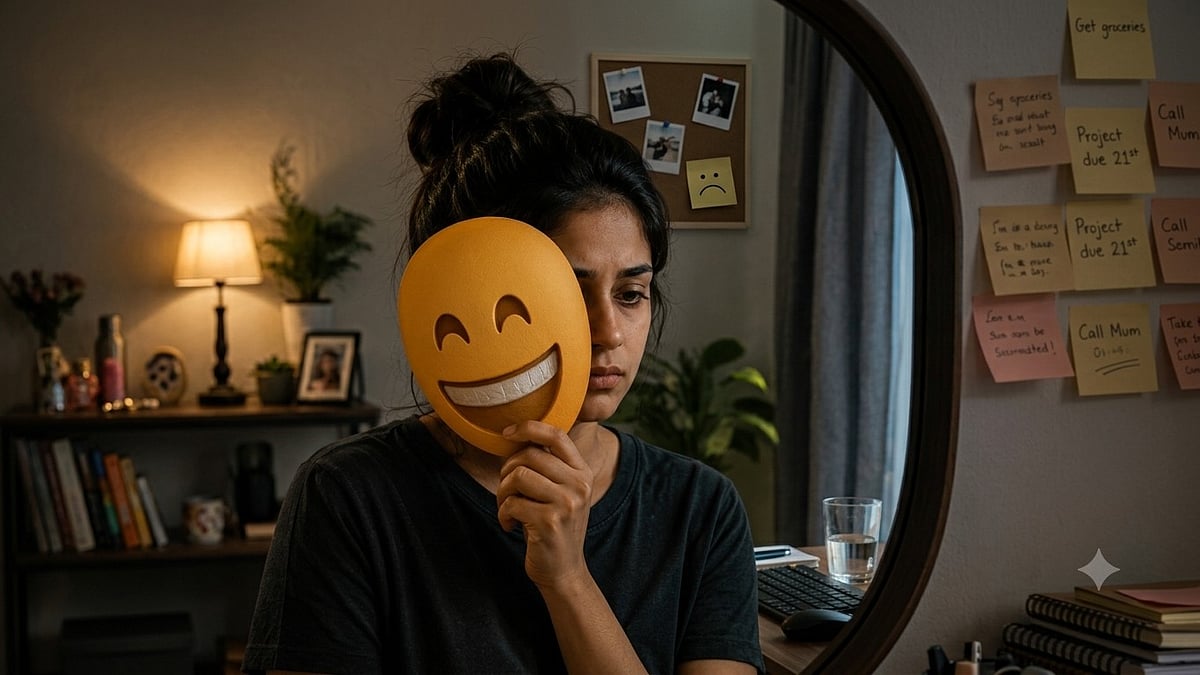
Every group always has that one individual. The friend who cracks jokes during awkward silences. The colleague who checks in on everyone else. The family member who never seems to complain, no matter what life throws at them. They are the ones people describe as strong, positive, or always smiling. However, they might also be the ones who are most in need at times.
People were shocked when actor Robin Williams passed away in 2014. How could someone who made others laugh be carrying so much pain? The question has resurfaced countless times since. Why do some of the happiest-looking people often seem to be fighting battles nobody sees?
Happiness and depression are not always obvious, which is a fact that many of us find difficult to accept.
Smile that hides the struggle
When most people think of depression, they imagine sadness, tears, and obvious emotional distress. Reality is often far more complicated.
Many people continue going to work, socialising, helping others, and posting cheerful pictures online while struggling internally. Their lives appear normal from the outside, making it difficult for others, and sometimes even themselves to recognise what they are experiencing.
According to Prachi Narkar, Consultant Clinical Psychologist at AIMS Hospital, Dombivli, emotional pain is not always visible. She explains, "Depression isn't always evident. Many people who appear happy, successful, and socially active may be struggling internally while hiding their emotional pain. Fear of judgment, social expectations, and a desire to appear strong often prevent them from expressing their feelings or seeking help.”
In a world that celebrates resilience and positivity, admitting vulnerability can feel uncomfortable. Many people worry about being judged, misunderstood, or becoming a burden to others. As a result, they become experts at hiding their struggles behind smiles and routines.
Burden of being the happy friend
There seems to be one individual in every friend circle who instinctively assumes the role of emotional supporter. They are the listeners, the motivators, and the problem-solvers. But who checks in on them?
Prachi believes there is a psychological reason why some people become the person everyone relies on. “Many people take on the role of the 'happy friend' because they derive a sense of purpose and validation from supporting others. Some may also use humour, positivity, or caregiving as a coping mechanism to mask their own emotional struggles, making it harder for others to recognise when they need help themselves,” she says.
Sometimes helping others becomes easier than confronting personal pain. Manasi Rai admits she has often chosen silence over opening up when she is struggling emotionally. “I have pretended to be happier. It is easier than sharing your problems with people. At the end, I just feel what is even the point for sharing. Everyone around me is either busy or troubled by their own life problems,” she feels.
Instead of talking about her emotions, she prefers spending time doing things she enjoys. It reflects something many people experience today. Not everyone hides their struggles because they want to. Sometimes they simply don't know how to talk about them or feel there is nobody willing to listen.
Signs we often miss
One of the biggest misconceptions about emotional distress is that it always looks dramatic. The indicators can actually be subtle.
“People experiencing depression, burnout, or emotional exhaustion may continue to appear cheerful in public while struggling privately. Subtle signs can include persistent fatigue, changes in sleep or appetite, withdrawal from close relationships, irritability, difficulty concentrating, loss of interest in activities they once enjoyed, or constantly putting others' needs ahead of their own while neglecting self-care,” says Prachi.
These changes occur gradually, so they are frequently ignored. Friends and family continue assuming everything is fine because the person still smiles, shows up, and carries on with daily life. But appearances can be deceiving.
Looking beyond
For many people, understanding this reality comes from personal experience. Manasi remembers being surprised when she first realised that not every happy person is genuinely happy.
“I was quite young when I learnt that not every happy person is happy. There are struggles and emotional scars people carry in their heart without showing the world that they are going through a rough patch,” she reveals.
Similarly, 23-year-old Preksha Shetty says her perspective changed after seeing people close to her quietly battle emotional struggles.She learned a valuable lesson from the situation.
She narrates, “One of my closest friends was like that. You can't expect people to open up the moment you meet them. Trust takes time. You rarely know what someone is truly going through beneath the surface. This realization changed my perspective on many things.”
It is a reminder that human beings are often more complex than they appear. The loudest laughter can hide loneliness. Constant positivity can mask exhaustion. The strongest person in the room may be carrying the heaviest emotional burden. And perhaps that's why kindness, empathy, and genuine check-ins matter more than we realise.
RECENT STORIES
-
-
-
-
-