Is Eating Rice Completely Off-Limits For Diabetic Patients? Ayurvedic Expert Explains Unnecessary Dietary Restrictions
World Diabetes Day, observed on November 14, highlights the growing prevalence of diabetes and the importance of early detection, prevention and effective management. With diabetes affecting millions of people, understanding the condition and separating common myths from facts has become more important than ever.

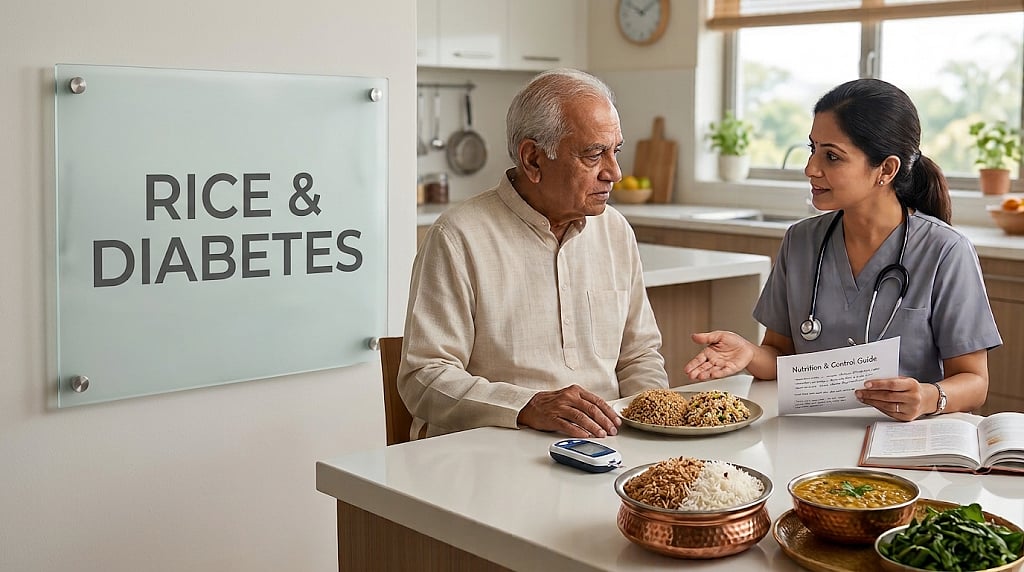
Is Eating Rice Completely Off-Limits For Diabetic Patients? Ayurvedic Expert Explains Unnecessary Dietary Restrictions | AI-Generated Representational Image
World Diabetes Day, observed on November 14, highlights the growing prevalence of diabetes and the importance of early detection, prevention and effective management. With diabetes affecting millions of people, understanding the condition and separating common myths from facts has become more important than ever.
To shed light on the Ayurvedic perspective on diabetes, we spoke to Ayurvedic doctor and practitioner Dr. Sayali Devkate, who is also popular on social media for sharing informative content on Ayurveda, health, beauty and lifestyle. From common misconceptions and dietary habits to Ayurvedic approaches and preventive measures, she shares important insights to help readers make informed health choices.
Can Ayurveda help someone who has been diagnosed with diabetes for several years?
Ayurveda offers a comprehensive and individualised approach to the supportive management of diabetes, described primarily under the broader concept of Prameha, with Madhumeha being an important clinical entity. The Ayurvedic approach focuses on Nidana Parivarjana (elimination of causative factors), appropriate dietary modifications, regular physical activity, and individualised Shamana or Shodhana Chikitsa wherever indicated.
In patients with longstanding diabetes, the treatment approach must also consider associated complications, strength, age, Prakriti and overall metabolic status. Ayurveda can serve as a complementary approach to improve lifestyle and support metabolic health. However, prescribed antidiabetic medication should never be discontinued or modified without consultation with the treating physician. Regular blood glucose monitoring and assessment of complications remain essential. This is very important to note.
ALSO READ
Is eating rice completely off-limits for people with diabetes?
It is not necessary to eliminate rice from the diet of every individual with diabetes. Ayurveda emphasises Yukti Ahara and Mita Ahara rather than unnecessary dietary restrictions. Classical Ayurvedic literature discusses different varieties of rice, including Shali Dhanya. Aged rice (Purana Shali) is traditionally preferred over newly harvested rice in several dietary contexts because of its comparatively lighter properties.
Other grains such as Yava (barley) and certain millets can also be incorporated according to individual suitability.
Which Ayurvedic herbs are traditionally used to support blood sugar management?
1. Vijayasara (Pterocarpus marsupium): Traditionally recognised for its application in Prameha Chikitsa.
2. Meshashringi (Gymnema sylvestre): Commonly known as Gudmar, it has been traditionally used in metabolic health formulations.
3. Jambu (Syzygium cumini): Particularly its seeds, which are traditionally incorporated into formulations used in Madhumeha.
4. Amalaki (Phyllanthus emblica): A well-known Rasayana Dravya valued for its antioxidant properties.
5. Guduchi (Tinospora cordifolia): Traditionally recognised for its Rasayana and other therapeutic properties.
6. Methika (Trigonella foenum-graecum): Used both as a dietary ingredient and in traditional approaches to metabolic health.
7. Haridra (Curcuma longa): Traditionally valued for its anti-inflammatory and other therapeutic properties.
Disclaimer: This article is for informational purposes only and should not be considered a substitute for professional medical advice. Always consult your doctor for any concerns or questions regarding your health or medical condition.
Level up your brain the fun way. Play daily games and quizzes on FPJ Smart!
RECENT STORIES
-
-
-
-
-