International Translation Day 2023: Significance, History, Theme, Interesting Facts And Celebrations
Translators help preserve linguistic diversity by making literary and cultural works accessible to a global audience

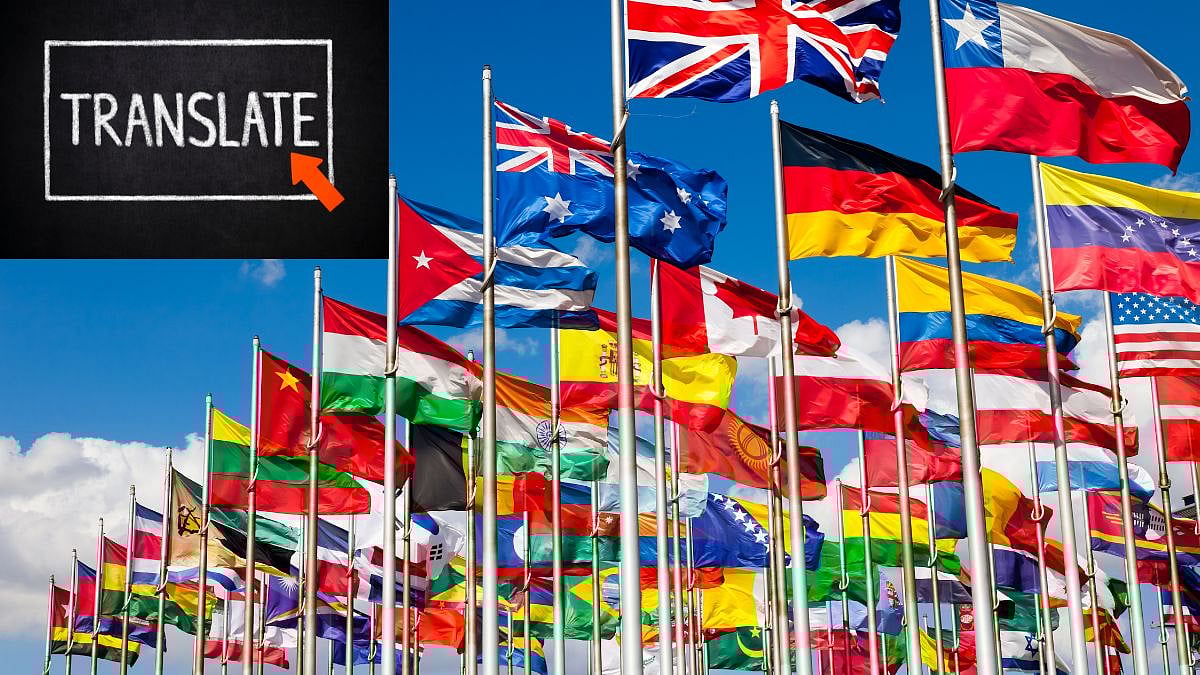
International Translation Day 2023: Significance, History, Theme, Interesting Facts And Celebrations | FPJ
Every year on September 30, International Translation Day is celebrated in honour of Saint Jerome, the Bible translator. Not everyone is proficient in all languages, and that's where translation becomes essential.
Translation is the process of conveying the meaning of a linguistic discourse from one language to another, making communication easier and enabling understanding between people who speak different languages.
Significance
The United Nations established International Translation Day to recognize the invaluable contributions of translators and language specialists who facilitate communication between nations fostering global peace, progress, understanding, and development. Translators play a vital role in translating literary, scientific research, and technical works, contributing to the advancement of humanity.
Translators contribute significantly to international diplomacy, business, and healthcare and their work enables global collaboration and facilitates the dissemination of knowledge across borders.
History
International Translation Day pays homage to St Jerome, considered the 'Father Of Translation,' and has been observed since the establishment of the International Federation of Translators in 1953.
The day was globally recognized from 1991 onward by the International Federation For Translators, aiming to raise public awareness about the importance of translation in our interconnected world.
Theme
'Translation unveils the many faces of humanity' is the theme for International Translation Day 2023.
Interesting Facts
1. Translation Day celebrates diversity by highlighting the richness of the world's languages and cultures. Translators help preserve linguistic diversity by making literary and cultural works accessible to a global audience.
2. Translation has ancient roots dating back to civilizations like ancient Mesopotamia and Egypt and throughout history, it has played a crucial role in the exchange of ideas and knowledge between different cultures.
3. Literary translation is a specialized field where translators bring novels, poems, and other creative works from one language to another. This process requires not only linguistic expertise but also a deep understanding of the cultural context and literary nuances.
4. Translators face numerous challenges, including idiomatic expressions, cultural nuances, and untranslatable words. They must navigate these complexities to accurately convey the meaning from one language to another.
5. With the rise of technology, machine translation tools and software have become prevalent. However, human translators still play a vital role, especially in contexts where accuracy and cultural understanding are paramount.
Celebrations
Various professional organizations, such as the International Federation of Translators celebrate Translation Day by organizing events, seminars, and workshops to promote the importance of translation and interpreting.
Some countries and organizations recognize outstanding translators and linguists with awards and honours on International Translation Day, acknowledging their exceptional contributions to bridging language gaps.
RECENT STORIES
-
-
-
-
-