Here’s How Gen Z and Brands Are Co-Creating The Future Of Work
Exploring how Gen Z and brands co-create evolving work cultures shaped by purpose, identity, and values

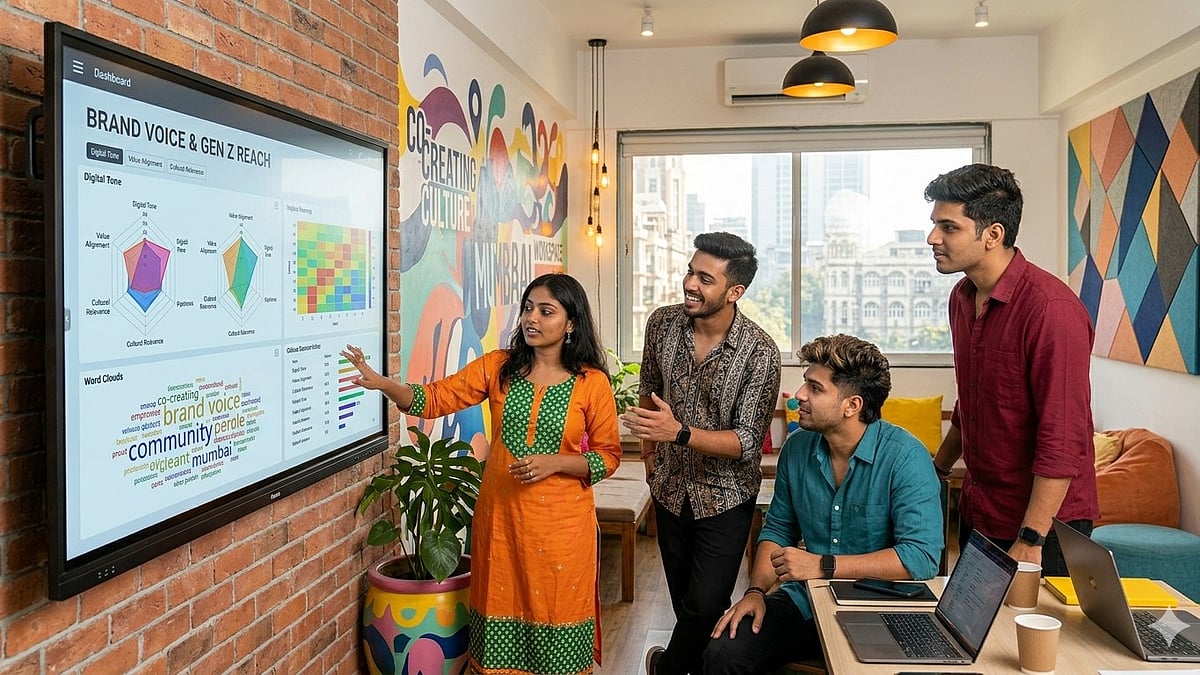
In an era of digital space, workspaces are adapting to the digital natives, Gen Z. For Gen Z, a job is no longer a pay-check but a reflection of identity. A generation choosing where they work based on how closely a brand aligns with their values, voice and worldview. Even brands are mutually accepting this change to stay culturally relevant, digitally sharp and socially aware. This needs an evolving mutual relationship where both sides are not just collaborating, but co-creating the future of work.
Authenticity shift
At the heart of this shift is authenticity. Gen Z has grown up in a hyper-digital world where information is instant and transparency is expected. They are swift to identify what feels genuine and what doesn’t. For many, a brand’s values are not just a bonus but a deciding factor. As Neha Akolkar, an advertising student, puts it, “I think the brand should have good values and a good purpose, because that is something … will drive all the people associated with the brand and all aspects, whether it's financial, career growth or personal growth”. As a result, Gen Z gravitates towards brands that don’t just speak about ideals but actively live them, whether through sustainability, inclusivity or social impact. Alongside this, a strong digital presence has become equally important. Brands that communicate effectively online, engage meaningfully and maintain a relatable voice stand out as far more attractive workplaces.
Aspirations rise
This alignment between personal values and professional choices is reshaping industry preferences in a meaningful way. Gen Z is increasingly drawn to sectors such as IT services and technology, digital media, e-commerce, fashion and entertainment not just for employment, but for what these spaces represent. “The clothing industry, luxury, sports and technology excite me the most. They are the most followed by today’s generation. People feel aspirational towards them and want to feel great about themselves” says Zayn Fernandes, another advertising student.
What sets these industries apart is their ability to offer visibility, creative expression and a sense of active participation in shaping cultural trends. They move quickly, adapt constantly and allow young professionals to witness the tangible impact of their work. In doing so, they become natural magnets for a generation that seeks not only innovation, but also influence and identity in what they do.
Beyond paychecks
But attraction isn’t purely aspirational. In the minds of Gen Z, an ideal workspace balances glamour with ambition and, crucially, stability. This is where employers are being pushed to rethink what truly matters in hiring. As Vishal Kamat, Executive Director of Kamat Hotels India Ltd, explains, the focus is shifting toward mindset over mere skills, “Aptitude can be taught, but attitude cannot. What really counts is a willingness to learn and to serve because with the right attitude, the sky’s the limit.”
It is precisely this emphasis on attitude that shapes the kind of workplaces Gen Z seeks. They are looking for spaces where their identity can coexist with their profession, where they are nurtured rather than compartmentalised. Growth opportunities, skill development and job security still matter but increasingly, they are filtered through a lens of purpose and belonging.
Brands adapting
On the other side of the equation, brands are recognising the unique value Gen Z brings to the table. This generation is inherently digital-first, culturally tuned in, and deeply aware of emerging trends. However, Gen Z employees also challenge traditional structures by pushing for more inclusive policies, flexible work environments, and open communication. While this may require brands to adapt, it ultimately leads to more dynamic and forward-thinking workplaces.
As Swagatika Das, CEO and co-founder of Nat Habit, feels that, “They are embedded across functions whether in marketing, product, or even supply chain, bringing fresh perspectives to how brands operate end-to-end.” She adds that their real strength lies in how intuitively they understand evolving consumer expectations, even in less visible roles. This, in turn, leaves companies better equipped to connect with modern consumers.
Co-creating workspaces
This evolving relationship between Gen Z and brands is not a one-sided trend, but a form of adaptive cooperation. As young professionals seek purpose-driven workplaces, brands, in turn, are reshaping their identities to meet these expectations building environments where innovation thrives, values matter, and growth is shared.
In the end, when Gen Z meets brand DNA, the workplace becomes more than just a place to work. It transforms into a space for living, creating, and redefining success where employees don’t just contribute to a company, but genuinely believe in what they are building. And for brands, that belief cannot be manufactured.
Authenticity test
As Heena Grover Menon, founder of Samsarra PR, shares that the only way forward is to “Start building with them because Gen Z can smell a made-up narrative from a mile away.” What they seek instead are brands that listen, adapt, and co-create rather than dictate. For those that fail to do so, the message is clear: Gen Z has already moved on.
RECENT STORIES
-
-
-
-
-