Hantavirus Outbreak Explained: How Dangerous Is It For India? Is It More Dangerous Than COVID-19?
The recent reports of a hantavirus outbreak have sparked concern among people worldwide, especially with memories of the COVID-19 pandemic still fresh. As discussions around the virus continue to grow, many are wondering whether hantavirus could pose a serious threat to India and if it is more dangerous than COVID-19.

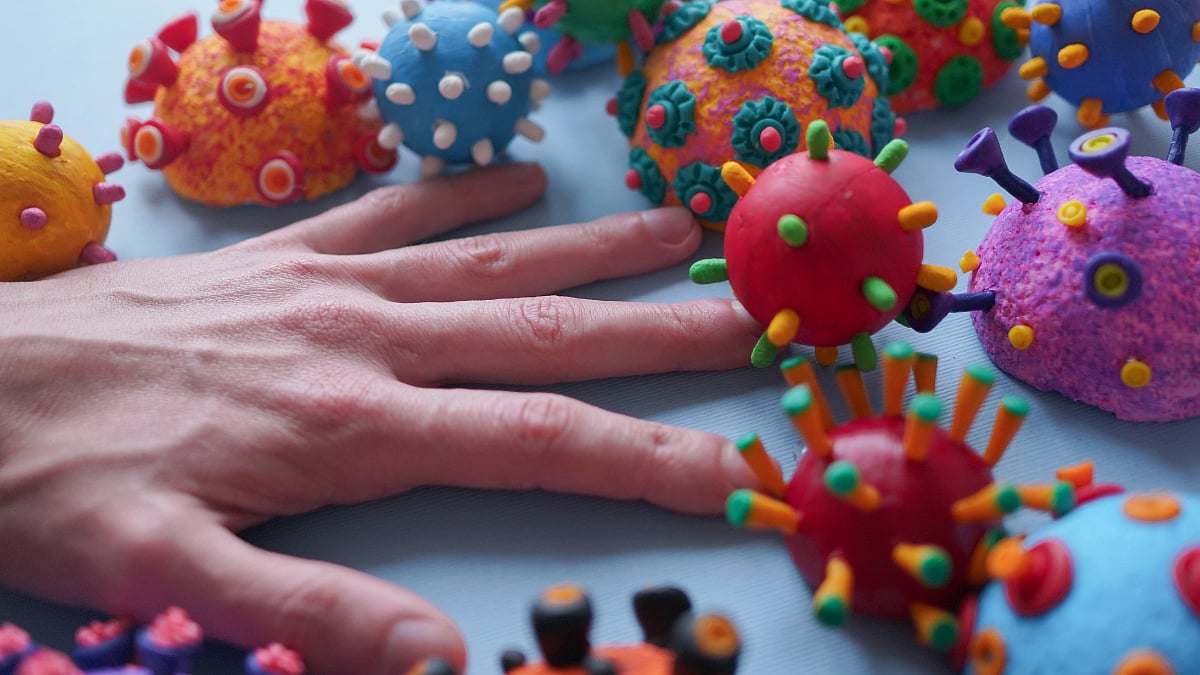
Hantavirus Outbreak Explained: How Dangerous Is It For India? Expert Reveals Why It’s Different From COVID-19 | Canva
The recent reports of a hantavirus outbreak have sparked concern among people worldwide, especially with memories of the COVID-19 pandemic still fresh. As discussions around the virus continue to grow, many are wondering whether hantavirus could pose a serious threat to India and if it is more dangerous than COVID-19.
According to Dr. Charu Dutt Arora, Consultant Physician – Palliative Care and Geriatrics Head at Ameri Health Home by Asian Hospital, hantavirus is very different from COVID-19 in terms of transmission, spread and overall public health impact.
“Hantavirus is primarily a rodent-borne viral disease. Humans usually get infected through contact with infected rodents, their saliva, urine, droppings or contaminated dust particles,” explains Dr. Arora.
Unlike COVID-19, which spread rapidly through human-to-human respiratory transmission, hantavirus generally does not spread easily between people. This significantly reduces the possibility of a large-scale outbreak or pandemic-like situation.
Why India Could Still Face Risks?
Although experts say a nationwide explosion similar to COVID-19 is highly unlikely, India still remains vulnerable to isolated cases due to certain environmental and living conditions.
Dr. Arora points out that India’s large rural population, poor sanitation in some regions, improper waste management systems and seasonal increase in rodent activity during monsoons and harvest periods could increase the risk of exposure.
However, the bigger concern is not rapid transmission, but delayed diagnosis. Early hantavirus symptoms can resemble common viral infections such as flu, dengue, leptospirosis or severe influenza, making it difficult for both patients and doctors to identify the infection quickly in low-awareness areas.
ALSO READ
How Severe Can Hantavirus Be?
The severity of hantavirus depends on the strain of the virus and the patient’s immunity. In severe cases, it can lead to a dangerous respiratory condition called Hantavirus Pulmonary Syndrome (HPS).
This condition causes rapid fluid build-up in the lungs, leading to breathing difficulties and low oxygen levels. Certain strains may also affect the kidneys, resulting in hemorrhagic fever with renal syndrome.
“The respiratory symptoms can worsen very quickly after the onset of illness. Early hospitalisation and supportive intensive care become extremely important,” says Dr. Arora.
ALSO READ
Is Hantavirus More Dangerous Than COVID-19?
Experts believe hantavirus should not be directly compared with COVID-19. While severe hantavirus cases may have a higher fatality rate, the virus lacks the extraordinary human-to-human transmissibility that made COVID-19 a global crisis. COVID-19 spread rapidly through asymptomatic carriers, making it extremely difficult to control.
“Hantavirus is a serious infection, but it does not have the same contagious potential as COVID-19,” Dr. Arora explains. “An easily transmissible virus with lower fatality can create a larger public health burden than a more deadly virus that spreads poorly.”
India’s Preparedness After COVID-19
One positive aspect highlighted by experts is that India’s healthcare preparedness has significantly improved after the COVID-19 pandemic.
Surveillance systems, infection-control awareness, laboratory networks and emergency response systems are now stronger than before. Public awareness around hygiene and infection prevention has also increased considerably.
Simple preventive steps can significantly lower the risk of hantavirus infection, including:
Maintaining proper sanitation
Avoiding direct contact with rodents or rodent waste
Storing food safely
Wearing masks while cleaning dusty closed spaces
Improving waste management and cleanliness
Dr. Arora emphasises that awareness and environmental hygiene remain the strongest defence against the infection.
“There is no need to panic, but people should stay informed and vigilant. Hantavirus should encourage better sanitation practices and early medical consultation if unusual flu-like symptoms appear after rodent exposure,” she concludes.
RECENT STORIES
-
-
-
-
-