From Page To Play: How Audiobooks Are Redefining Reading Habits
From commutes to bedtime listening, audiobooks are transforming the way people discover, experience and connect with books

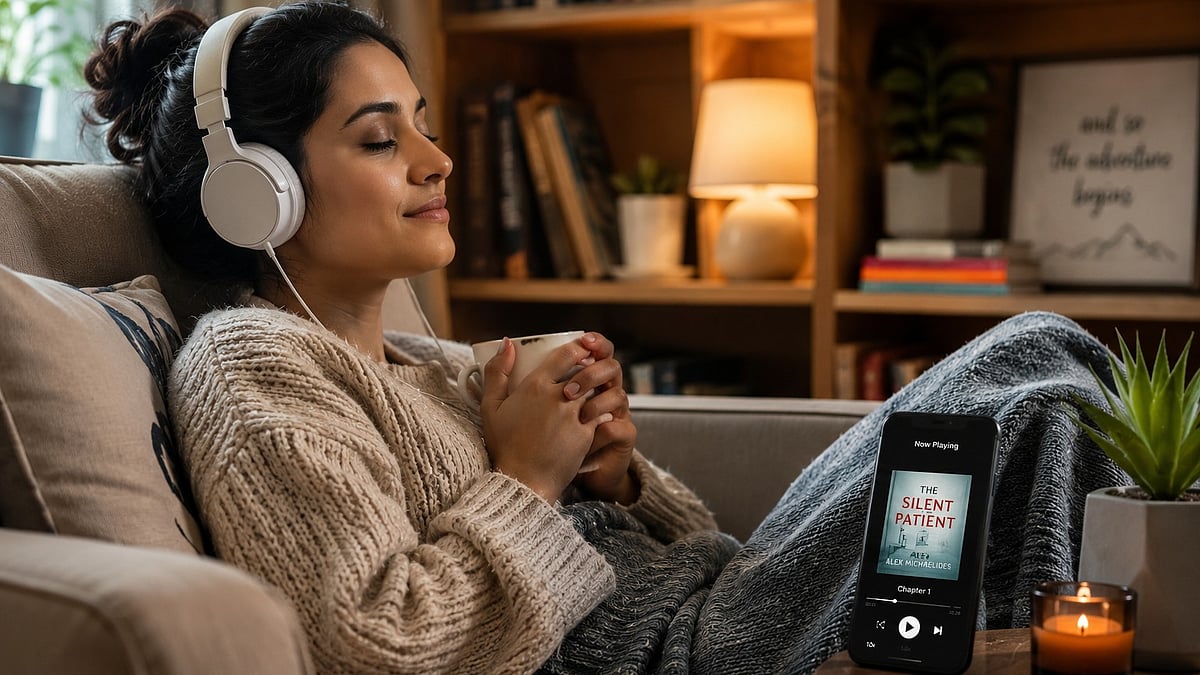
The constantly evolving world of books raises curious questions about the impact of audiobooks on how books are consumed. In ‘Audiobook Appreciation Month’, we see how hearing audiobooks is changing the way we read.
Book consumption
According to Shailesh Sawlani, Head of Global Revenue Marketing at Audible, the biggest shift audiobooks have brought in is untethering books from a specific time and place. “Traditionally, reading was associated with sitting down with a book, whereas audio allows people to engage with stories while commuting, exercising, or simply going about their daily routines. Audiobooks are helping books fit more naturally into modern lifestyles and, in many cases, enabling people to consume more books than they otherwise would have.”
He sees an expansion of moments when readers can engage with literature, ideas, and storytelling, making books more accessible and flexible than before. “We’ve seen listeners embrace audiobooks across a wide spectrum of genres.”
Vidhi Nangia, Manager – Audio Division at Penguin Random House India, sees audiobooks as an entry point into reading for many listeners or a way to return to reading habits if lapsed over time. She sees listeners becoming more format-agnostic and readers discovering authors through audio first and then buying their physical books or moving between print, e-book and audio as per convenience and context. “Long before screens, stories were told aloud – around fires, over radios, and through voices alone. In many ways, audio is bringing storytelling full circle. In an era of screen fatigue and visual overload, it’s re-emerging as a core medium for stories and ideas.”
Medha Chatterjee, a communications specialist and avid audiobook listener, always prefers physical copies to other reading formats. She started listening to audiobooks when everyone around her was trying them. Curiosity led to finding all the hype.
“I mostly listen to psychological thrillers. I feel that this genre works well in audio format because some stories are simply better when they’re brought to life through voices, expressions, and narration. It feels like you’re experiencing the story.”
An interesting shift, in her words, is the rise of romance and smut books in audiobook form. “Platforms like BookTok and social media have played a huge role in popularising these genres, and many readers are turning to audiobooks because the narration adds another layer of emotion and intimacy to the story.”
Seeing the difference
Vidhi sees young listeners, especially Gen Z and younger millennials, being highly format-flexible and comfortable moving between podcasts, audiobooks, short-form video and e-books. “Older listeners often use audiobooks to complement established reading habits. Many use audio to revisit favourite authors or simply maintain reading habits when time constraints make sitting down with a physical book more difficult.”
AK Srikanth, author, filmmaker and creative producer, has written ‘A Song for Eresha’, which is available as an audiobook narrated by him. Produced by Cogitabund, a sister concern of Booksthakam, it is available across all major audiobook platforms. He finds it interesting that audiobooks don’t necessarily dismantle print or e-book sales, but many times, he sees a listener gets a chance to find a new author or genre through audiobooks and then buys the physical copies, collects the author’s works or reads later titles in other formats.
“Younger listeners often gravitate towards personal development, business and contemporary fiction, while timeless titles such as Autobiography of a Yogi and Shrimad Bhagavad Gita continue to find audiences through audio. This reinforces the idea that audiobooks can help classic and modern works reach new listeners,” mentions Shailesh.
Challenges ahead
A big challenge in Srikanth’s view is that audiobooks remain a gateway to deeper engagement with books, becoming just another form of passive content consumption. “The strength of reading has always been its ability to encourage focus, imagination, and reflection. It’s important that those qualities aren’t lost in an increasingly distraction-filled environment. At the same time, I don’t see audiobooks as inherently at odds with healthy reading habits.”
The real change, in his words, is ensuring audiobooks match the reading culture and encourage discovery, sustained attention, and a lifelong bond with books across formats.
Medha finds the growing influence of trends and social media to be a huge challenge. “While this has encouraged more people to discover books, readers often gravitate toward only the most viral titles and genres. There’s also the risk of reading becoming more about consumption. With audiobooks, people can finish multiple books quickly, which sometimes creates pressure to consume more rather than absorb what they’re listening to. I don’t think these trials are unique to audiobooks alone.”
One of the biggest opportunities Shailesh sees is continuing to develop awareness around audiobooks as a strong storytelling medium in their own right. “While adoption has grown significantly in recent years, many are still discovering the breadth of content and experiences available through audio. At the same time, audiences today have more entertainment choices than ever before, so success depends on compelling storytelling, exceptional narration and thoughtful curation.”
At the end, the objective he sees is not just to increase listening time but to develop a real and lasting connection with books, stories, and ideas.
A big challenge, according to Vidhi, is ensuring that convenience doesn’t outdo depth and engagement. She sees the industry navigation questions around AI and synthetic narration. Penguin Random House is taking a conscious, cautious approach in this regard. “We do not currently use AI-generated voices or author voice clones for our audiobooks. Our priority is to preserve the quality of the listening experience and safeguard our authors’ creative work and reputations.”
Avoid reading the decline
Vidhi sees potential in audiobooks to make books return to the lives of people by lowering barriers created by modern lifestyles around reading. “Audiobooks can also make reading more accessible for younger audiences, multilingual audiences, and people with visual impairments or reading difficulties. In markets such as India, where mobile-first consumption habits are widespread, audio has the potential to reach entirely new audiences who may not traditionally engage with books at all.”
Medha adds, “Audiobooks are rather an entry point into the world of reading. Many people who start with audiobooks eventually become curious about an author, a genre, or a particular series and go on to buy physical copies or e-books.”
Coming years
Shailesh feels reading is becoming more format-fluid, with people just choosing the format suitable for the moment they are in. “We also expect growing interest in audiobooks across genres such as wellness, personal growth, business, mythology and fiction, as listeners increasingly seek ways to learn, be entertained and make the most of their time. As content continues to evolve and audiences become more comfortable moving between formats, audiobooks will become an even more integral part of how people discover, consume and engage with stories. The opportunity lies in helping more people build a deeper and consistent relationship with books by making storytelling more accessible, flexible and engaging.”
The one shift Vidhi sees is the strong growth in regional and vernacular content. The expansion of digital access will increase the demand for audiobooks in Hindi and other Indian languages and bring newer audiences into the ecosystem.
An important aspect that Srikanth sees audiobooks help in redefining is what it means to be a reader. “Rather than competing with traditional reading, they’ll continue to expand the reading ecosystem, making books more accessible and helping more people engage with literature in ways that fit their lifestyles.”
Medha sees audiobooks attracting a much younger audience, especially through social media trends and online book communities. “At the same time, someone who previously read only a few books a year may end up listening to several more, which will lead to genre discovery. However, there will always be readers, like me, who value the experience of holding a book and fully immersing themselves in the reading process.”
Let us use ‘Audiobooks Appreciation Month’ to help us fall in love with books in all formats.
RECENT STORIES
-
-
-
-
-