FDA Raids: Can We Still Trust India’s Favourite Food Brands?
From popular restaurants and cloud kitchens to food delivery warehouses, recent food safety raids are making consumers question hygiene standards, brand reputation and what really happens behind the scenes before food reaches their plates

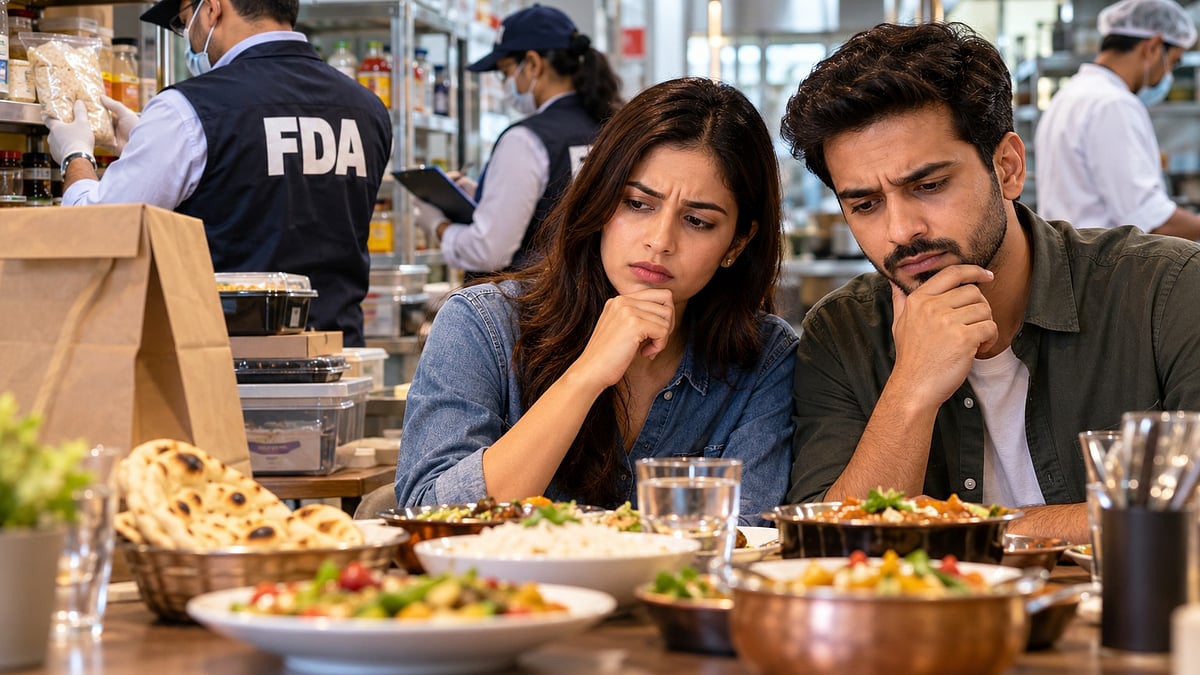
Food is India’s national pastime. We think of it 24/7. In such a scene, the food business, from eateries to FMCG and food delivery apps, thrives in our country. And that is why the recent FDA raids on well-off small-time eateries, packaged food to even the storage places of delivery giants have impacted the way food is sold in India. It is time we knew how the raid changed our perspective towards the overall food business.
The first thought
When the raids happened, Anisha Anand, co-founder of Aurum Foods, first thought about how the incidents highlighted the most fundamental aspect of the industry – ‘Food safety is not merely about what we serve; it is about the integrity of every process that brings food to the consumer’.
“As someone who has spent years in the hospitality and food service industry, I believe that great food must begin with uncompromising standards of hygiene, sourcing, storage, preparation and handling. The consumer sees the final product, but the real responsibility lies in everything that happens behind the scenes.”
One cannot compromise on ingredient quality, temperature control, traceability, or the discipline in following food safety rules.
The first concern of Umesh Kumar Agarwal, Director, Haldiram, was for the consumers, who think the food reaching them is safe. The lapses have, according to him, put the whole sector at risk.
He mentions, “The dining area naturally gets noticed because customers see it, but the storeroom, chiller and drain under the sink matter just as much. It struck me that the problem extended well beyond neighbourhood eateries. Expired curd turned up at a large cloud kitchen and out-of-date stock at a delivery warehouse, both run by established players with well-documented processes. Clearly, the gap isn’t knowledge, since the rules are no secret.”
The real trial is discipline and consistency on a busy Saturday night, not just a quiet weekday morning. It also requires leaders to regularly see the back of the house along with the front and flag issues once spotted.
Delhi-based foodie Rahul Thakral kept asking himself what exactly he was consuming. “Earlier, when we ordered from a well-known restaurant or a popular food brand, there was an assumption that the food would at least meet basic hygiene and safety standards. The recent raids have made me question that assumption. What is particularly concerning is that the issue is not limited to small roadside eateries."
Bigger this time
Chef Kamalika Anand, Head Chef and Owner, Via Bianca Delhi, calls it a domino effect in which authorities began discovering non-compliance at one place, but it opened up systematic weakness across the board. “Many, regardless of their scale or popularity, were operating under similar lax protocols, which expanded the scrutiny and pulled a dozen brands under its radar.”
For Anisha, this reflects the growing intricacies and scale of India’s food ecosystem and an astonishing expansion of food delivery, cloud kitchens, organised catering, packaged foods and quick-service restaurants. “Maintaining consistency becomes a bigger operational challenge. There is also greater public scrutiny today. Where inspections are targeted or coordinated, several businesses may come under scrutiny within a short period.”
The difference is that the businesses inspected differ in number from those found guilty of violations, thus, allowing the investigations and due process to let the facts come out.
Rahul is seeing the food ecosystem becoming complicated and going beyond the restaurant kitchen to our table, involving restaurants, cloud kitchens, delivery platforms, dark stores, warehouses, distributors, contractors and quick-commerce platforms involved in the chain.
The food safety issues that remained under wraps in local news are now reaching thousands in minutes thanks to social media and news platforms. Consumers are now speaking out more about their experiences and reporting concerns.
For Agarwal, one of the first things he thought was that the regulators are clearly more active and organised these days. “Cloud kitchens, delivery apps and quick commerce have added thousands of new kitchens and storage points in a few years, and compliance hasn’t always kept pace.”
The harder one looks at the bigger system, the more the issues come out. He doesn’t see it solely as things getting worse, but many issues are finally being talked about.
For Mumbai-based food blogger The Messy We, it is essential to separate an establishment being inspected, being found to be violating rules, and facing a confirmed safety-related penalty. “Consumers need accurate information rather than generalised fear.”
Perspective changed.
Earlier, Rahul saw a famous restaurant or food brand; he instantly assumed the hygiene levels were followed. Now, the same name doesn’t give him confidence. “The fact that inspections have uncovered violations even at well-known restaurants and hotels has made consumers realise that a premium price or a familiar brand does not automatically guarantee food safety. Simultaneously, I don’t think consumers will stop eating out or ordering food. But the level of questioning is likely to increase.”
The bigger change will be psychological with food safety moving from being something consumers just expected would be handled to something they will actively think of.
ALSO READ
From her experience, Chef Kamalika feels the guests have a valid concern about the back-of-house reality of some kitchens. “On the other hand, it has also provided much-needed context on pricing and why certain restaurants charge more than the rest. It all comes down to quality of ingredients, safety protocols and uncompromised food handling.”
The Messy We, as bloggers and consumers, the biggest change has been the level of shift. Earlier, choosing an eatery would mostly come from looking at online reviews, social media reels, suggestions, ambience, and the place’s overall popularity. Now food safety is a more immediate concern.
“Even online reviews and attractive food content do not offer complete reassurance anymore, because they can tell us about the taste and experience but cannot necessarily reveal what is happening in the kitchen,” they say.
Anisha doesn't think the incidents have made consumers more conscious about what they eat or where they select to eat. “I also believe the impact will differ across consumer segments. Some may become more cautious about ordering online, while others may seek out established brands or businesses with visible hygiene standards.”
The only concern would be of isolated cases developing a blanket perception of all food businesses being unsafe. Responsible businesses should earn trust via consistent practices. Ultimately, the consumers should be aided in making informed choices based on credible data, and businesses maintaining high standards must be celebrated for that.
ALSO READ
Changing outlook and the future
Rahul sees consumers becoming more selective than being cautious. While ease, cost, and taste will matter, transparency and hygiene will impact where consumers spend money. “With India’s food sector operating at an enormous scale, the government says there are over 74 lakh active food business licences and registrations, and even small improvements in compliance can have a substantial impact. Going forward, I think trust itself will become a competitive advantage.”
As bloggers, The Messy We know their endorsements can impact where people go to eat. And it becomes essential for them to be more thoughtful of the establishments and experiences they feature. “The size won’t protect anyone. It is the standard one, and all should hold themselves to it. Those businesses treating food safety as a daily habit and not as a one-off inspection exercise will last.”
The future belongs to businesses understanding the one fundamental truth of trust being the most valuable ingredient in the business.
Chef Kamalika hopes for the raids to foster more respect and trust among establishments that give importance to quality at every stage, from farm to storage and to the final plate.
One thing is for sure. The FDA raids have brought a much-needed revolution in the Indian food scene.
RECENT STORIES
-
-
-
-
-