Europe Heat Wave Explained: Why Adults Are More At Risk Of Extreme And Deadly Heat? Here's The Reason
While all people are suffering from the extreme and deadly heatwave, the number of adult deaths has increased as it is affecting adults more. One of the common reasons behind this is that the human body maintains its temperature through sweating and increased blood flow to the skin. However, during prolonged periods of extreme heat, these natural cooling mechanisms become less effective.

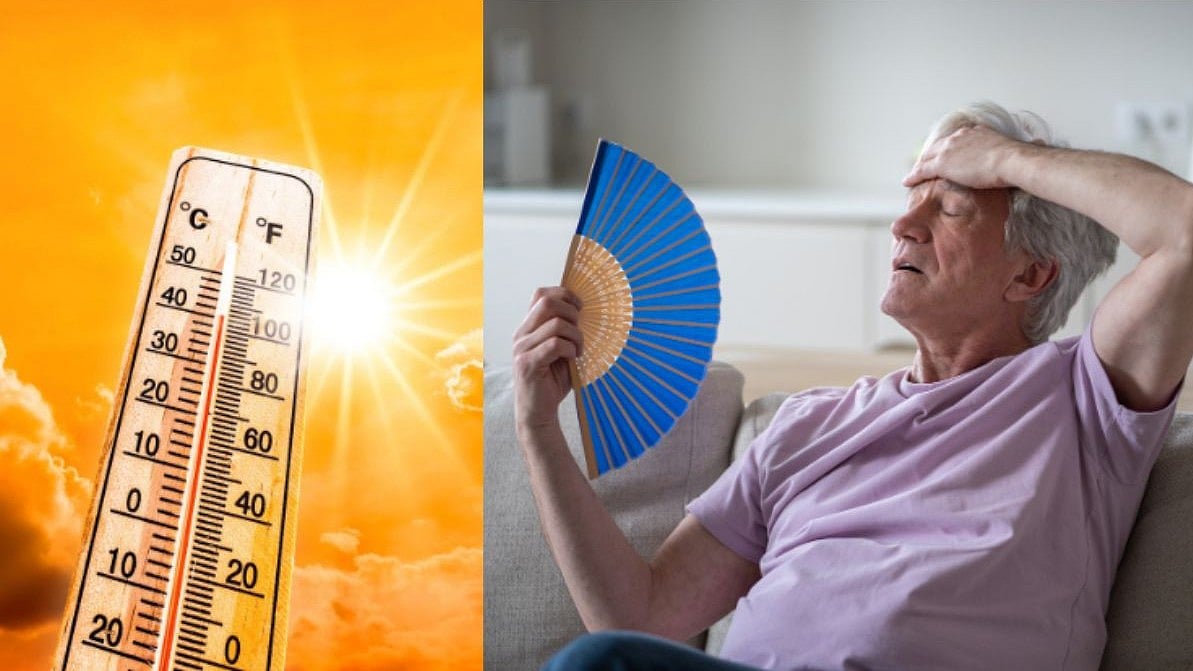
Why Adults Are More At Risk Of Extreme Heat? | Photo Attribution: Canva
Europe is experiencing one of its most intense heat waves in recent years, with several countries recording temperatures above 40 degrees Celsius. Authorities across Spain, France, Italy, Portugal and Greece have issued heat alerts as extreme temperatures continue to affect millions. People in Europe are facing scorching temperatures as the continent battles intense heat waves. This rapid change in climate is mostly affecting senior citizens.
So far, hundreds of people have died, and many of the excess fatalities are among those aged over 65. While heat can be dangerous for everyone, adults, particularly older adults and people with underlying health conditions, face a significantly higher risk of heat-related illnesses and deaths.
Europe heatwave impact on adults
While all people are suffering from the extreme and deadly heatwave, the number of adult deaths has increased as it is affecting adults more. One of the common reasons behind this is that the human body maintains its temperature through sweating and increased blood flow to the skin. However, during prolonged periods of extreme heat, these natural cooling mechanisms become less effective. Older adults are especially vulnerable because the body's ability to regulate temperature declines with age. They may also sweat less, making it harder to cool down naturally.
Why adults are vulnerable?
Other known reason is chronic medical conditions such as heart disease, diabetes, kidney disorders and respiratory illnesses further increase the risk. Certain medications, including diuretics, blood pressure drugs and antidepressants, can affect hydration levels or interfere with the body's ability to respond to heat.
Heat-trapping homes
Europe is a temperate zone, so the people born and living there are used to that temperatures. Their homes and other buildings are made that way to absorb heat more because the country has long winter months than summer, even on a daily basis, nights are longer than days due to the Earth position which is tilted almost 23 degrees at its axis and that is why the continent is not exposed to sun's rays but only sunlight.
The homes and buildings are made this way to hold heat for long as it is necessary in winters. Because the homes and buildings are made in a way to trap heat, the sudden heatwaves turned in something else. Older people who are retired living in home or shelter aren't able to survive in the sudden change of atmosphere, even in homes because the sudden heatwave has turned buildings and shelters into gas chambers.
ALSO READ
Lack of air conditioning
Air conditioning is historically uncommon in residential European buildings. Without it, adults face continuous heat exposure for days without a chance for their bodies to recover. Shortage of AC has been reported, hence leading to death. Many vulnerable older adults live completely alone in city apartments. They may not have anyone nearby to recognise the early signs of heat exhaustion or help them get water and cooling assistance.
RECENT STORIES
-
-
-
-
-