Diljit Dosanjh: A Masterclass For Luxury Brands
Diljit Dosanjh clout is driven by genuine self-expression, something luxury brands can learn from

Pic: Levi's
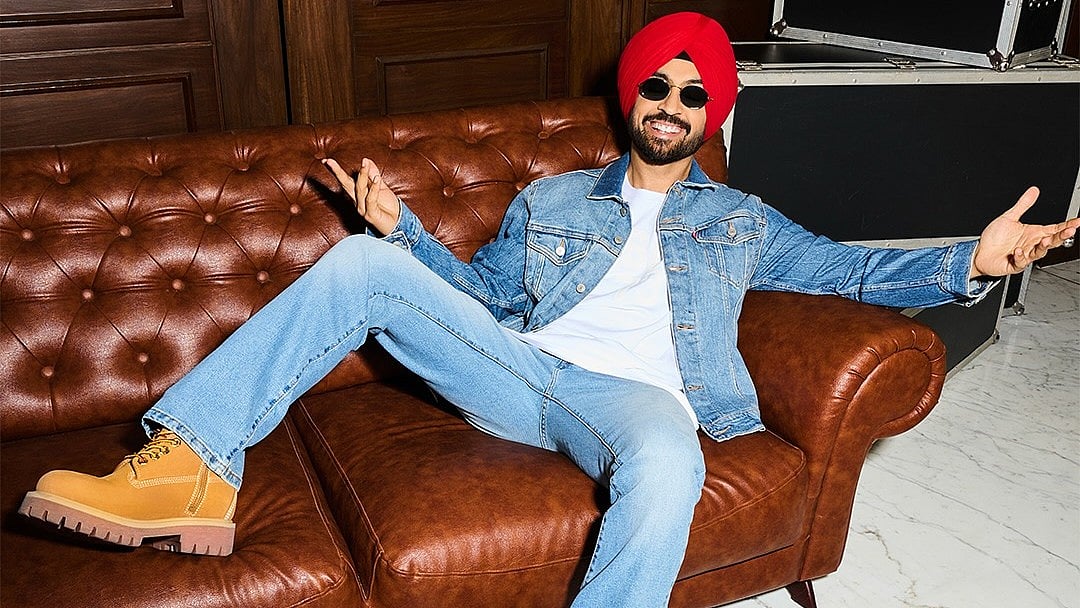
Singer and actor Diljit Dosanjh's meteoric rise is a compelling lesson for luxury brands: authenticity creates greater desirability than manufactured exclusivity. His success comes not from adapting to global expectations but from embracing his individuality and making the world take notice. Levi's understood this when it appointed Dosanjh its global brand ambassador in 2025. It’s Easy in Levi's campaign celebrated his effortless style, relaxed silhouettes and natural confidence. Rather than reinventing Diljit, the brand built its storytelling around his existing personality. This association came in right after the tremendous success of the Levi’s merchandise for the singer’s Dil-Luminati Tour and his Coachella performance.
His 2025 Met Gala debut was a much more powerful moment. Designer Prabal Gurung created a Maharaja-inspired ensemble that honoured Dosanjh’s Punjabi heritage. The look featured a turban and a cape embroidered with Punjab's map and Gurmukhi script. Cartier's Panthère watch complemented the look inspired by Patiala's royal heritage, while Golecha Jewels recreated the spirit of the legendary Patiala necklace. Luxury became an expression of cultural identity rather than borrowed glamour.
From the Dil-Luminati Tour and Coachella to the ongoing Aura World tours, Diljit Dosanjh has consistently transformed Punjabi culture into a globally desirable experience. His most recent musical collaboration is with Reggaeton artist Daddy Yankee for a Punjabi-Latin track, Pokito, that the two performed at the Latin Grammy Awards 2026. Before this, Dosanjh has also worked with Sia and Ed Sheeran, allowing newer audiences to be exposed to his immense talent and garner a new fan base and share a glimpse of his cultural identity.
The nature of his influence
Unlike celebrity endorsements that primarily deliver visibility, his cultural credibility offers something more enduring: trust, differentiation and emotional connection. In a marketplace where luxury increasingly competes on storytelling rather than product superiority alone, such credibility becomes a strategic advantage. Dosanjh’s appeal also transcends conventional demographic segmentation, connecting affluent consumers, aspirational youth and the global Indian diaspora. Crucially, his influence is earned rather than engineered. For brands, this reduces the distance between endorsement and genuine advocacy, potentially creating stronger brand affinity than expensive, heavily scripted celebrity campaigns.
One of Dosanjh’s endearing qualities is his ability to script his own narrative in real time, turning spontaneous moments into powerful expressions of individuality. His invocation of legendary poet Rahat Indori’s verse while performing in the poet’s hometown recently is a compelling example. This instinctive storytelling resonates with younger audiences, who value originality over manufactured celebrity personas. Dosanjh doesn’t perform for his audience; he engages with their emotions, cultural memories and sense of belonging.
The real lesson
For decades, luxury brands have built desirability through European heritage, craftsmanship, exclusivity and carefully controlled narratives. Dosanjh’s success challenges this traditional hierarchy of cultural influence. He demonstrates that aspiration no longer needs to originate in Paris, Milan or New York. It can emerge from Punjab and command global attention without seeking Western validation. This has significant implications for luxury's next phase of growth, particularly in India.
As Indian consumers become wealthier, more globally exposed and culturally confident, international Maisons must move beyond treating India merely as a market for consumption. They must recognise it as a source of cultural capital, creativity and influence. The opportunity is not simply to recruit Indian celebrities as ambassadors or introduce India-inspired limited editions. It is to build meaningful partnerships in which Indian identity becomes integral to global brand storytelling, without compromising the Maison's heritage.
There is also a commercial distinction worth recognising: visibility can be purchased, but cultural relevance must be earned. The strongest luxury collaborations will be those where the personality and the Maison reinforce each other's authenticity, creating long-term brand equity rather than short-lived publicity.
RECENT STORIES
-
-
-
-
-