Charcha Time: How Safe Is Your Home?
A viral Bengaluru case raises difficult questions about home safety, consent, and accountability in app-based deliveries

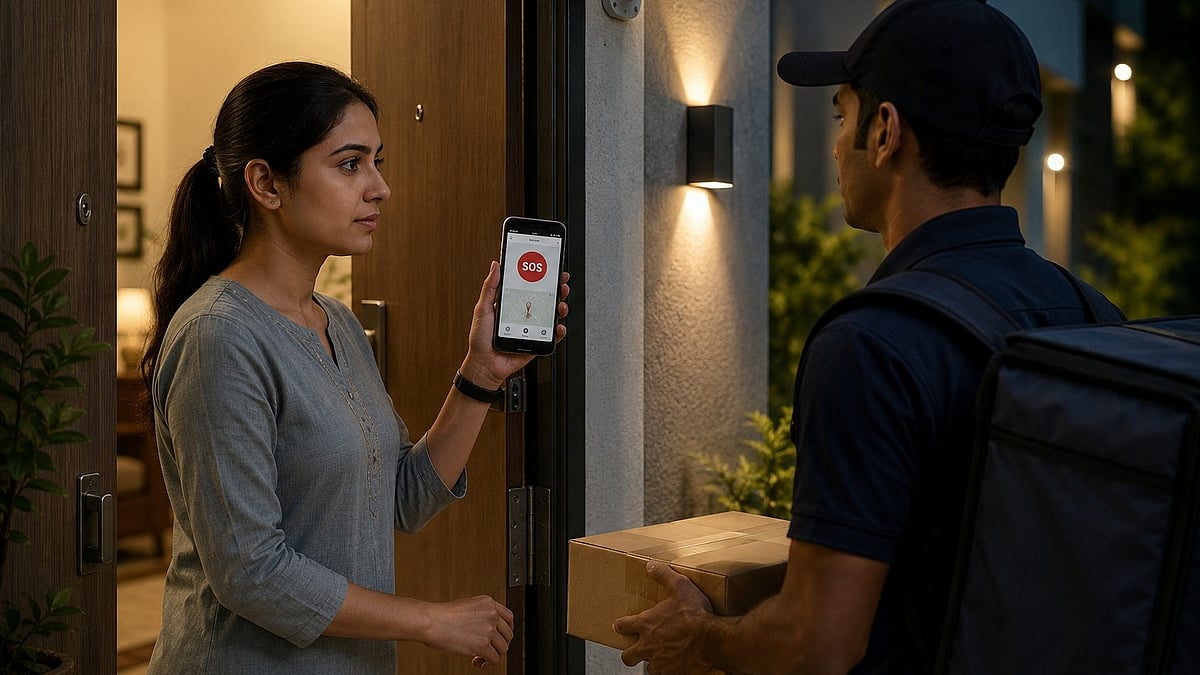
Bengaluru women’s allegation that a delivery agent entered her home despite being denied permission has sparked a concern about safety, consent, and accountability in the gig economy. Satya Tirtharaj Ghosal moderates a debate on convenience and its repercussions on a day-to-day basis
Siddhartha Ghosh, Criminal Advocate
Residents have the legal right to control access to their homes and may refuse entry to any person unless a specific legal authority exists. If someone enters after being denied permission, the act may amount to trespass, depending on the circumstances and intent involved.
The distinction between a misunderstanding, inappropriate behaviour, trespass, and a criminal offence depends on facts of each case. A misunderstanding may arise from miscommunication without unlawful intent, while trespass involves unauthorised entry into private property. A criminal offence requires specific legal elements and supporting evidence.
Video or audio recordings can be valuable during investigations as they may help establish timelines, identify individuals, and verify claims. However, such material is generally assessed alongside other evidence.
Companies and app-based platforms are expected to take complaints seriously, conduct fair inquiries and cooperate with law enforcement agencies when necessary. They also have a responsibility to maintain reasonable safety standards and grievance mechanisms for both customers and workers.
Existing laws relating to trespass, harassment, assault, criminal intimidation, privacy, and personal safety broadly apply regardless of whether an interaction occurs through a traditional employer or a gig-economy platform. However, the rapid growth of app-based services has raised important questions about accountability, worker classification, supervision, and platform responsibility.
As technology-driven work arrangements continue to evolve, there is growing debate over whether additional safeguards tailored to platform-based services are needed. Clear communication, professional conduct, respect for boundaries, and proper documentation remain essential for both customers and workers to prevent misunderstandings and ensure accountability when disputes arise.
Neha Akolkar, Postgrad Diploma Student
Online delivery services have made daily life far more convenient, but safety remains an important consideration, especially for women. While most interactions with delivery workers are positive, there is often an added layer of caution when a stranger arrives at the doorstep, particularly when living alone.
There have been occasions when late-night deliveries or workers lingering longer than expected created a sense of unease. Nothing serious occurred, but such situations can heighten anxiety.
Simple precautions have become routine. Checking delivery details before opening the door, receiving orders at the entrance, and informing family members when alone can help create a sense of security without affecting the interaction. For many women, home is a deeply personal space, and maintaining boundaries is a way of managing risk rather than assuming ill intent.
While there is sympathy for the challenges delivery workers face, personal safety must come first. Offering water or assistance at the door is one thing, but allowing strangers inside the home is another.
The convenience of app-based services continues to outweigh the concerns, but stronger safeguards would help build trust. Better identity verification, quick-access safety features, responsive customer support, and regular worker training can reassure both customers and workers.
Safety should ultimately be a shared responsibility involving customers, workers, platforms, and authorities. However, maintaining clear boundaries remains essential.
Rahul Rout, Event Manager
Online deliveries have become a routine part of daily life, and most interactions with delivery workers are brief, professional, and uneventful. While personal safety is not usually the first concern, it remains something worth considering whenever a stranger arrives at one's home. A reasonable degree of caution is important for everyone, regardless of gender.
Men and women, however, may experience these interactions differently. Many women often feel a greater need to assess potential risks and take precautions when dealing with strangers at their doorstep. As a man, such concerns may not arise as frequently.
Occasionally, unusual circumstances can create discomfort. Late-night deliveries, confusion regarding an order, or unexpected delays may lead to a sense of unease. In most cases, it is the uncertainty of the situation rather than the individual that causes concern.
Customers should have the right to refuse personal requests without feeling pressured to provide an explanation. A home is a private space, and every individual has the right to set boundaries that make them feel comfortable and secure.
At the same time, there may be situations where a worker genuinely requires assistance. While there is value in being helpful and compassionate, personal comfort and safety should remain the priority. The best approach is often to offer help while maintaining clear boundaries, ensuring that interactions remain respectful, professional, and safe for everyone involved.
RECENT STORIES
-
-
-
-
-