Celebrated Pala Maestro Pandit Jagannath Behera Dies At 101; Know About The Odisha's Traditional Folk Ballad
Pala is a centuries-old folk ballad tradition of Odisha that blends music, poetry, storytelling, philosophy, and religious discourse. The performance is usually based on stories from Hindu scriptures such as the Ramayana, Mahabharata, Bhagavata Purana, and other devotional texts. A lead performer, known as the Gayaka, narrates the story through songs and dramatic dialogues.

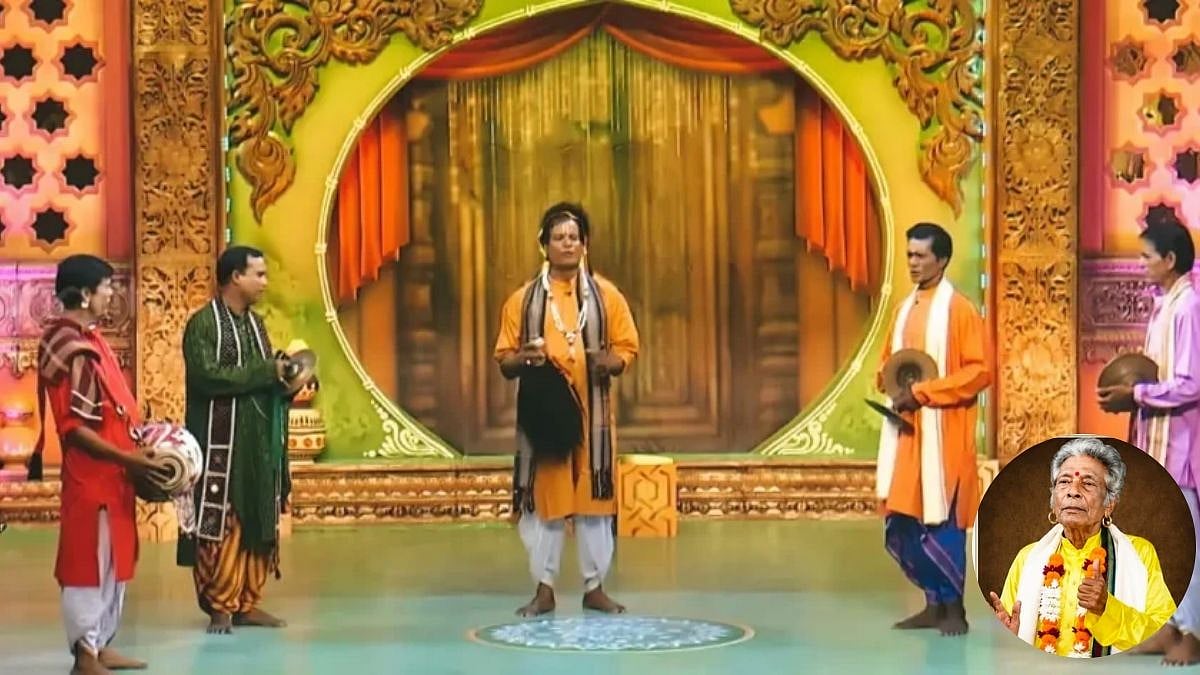
Know About The Odisha's Traditional Folk Ballad |
Renowned Pala exponent Pandit Jagannath Behera, one of Odisha's most respected traditional folk artists, passed away at the age of 101. He passed away at his native village, Kaijanga, in Erasama on Sunday after a prolonged illness. Revered for his lifelong dedication to preserving and promoting the ancient art form, Behera inspired generations of performers and audiences with his exceptional storytelling, devotional singing, and scholarly knowledge. But, actually, is Pala a folk art tradition?
What is Pala art folk tradition?
Pala is a centuries-old folk ballad tradition of Odisha that blends music, poetry, storytelling, philosophy, and religious discourse. The performance is usually based on stories from Hindu scriptures such as the Ramayana, Mahabharata, Bhagavata Purana, and other devotional texts. A lead performer, known as the Gayaka, narrates the story through songs and dramatic dialogues, while accompanying artists, called Palia, support the performance with chorus singing, rhythmic clapping, and percussion instruments.
It is a unique ballad form that combines music, theatrical dance, and Sanskrit-Odia poetry with storytelling. It is performed by a group of five to six members led by a main singer (Gayaka), a drummer (Bayaka), and a chorus (Palia).
Blends Hindu and Muslim traditions
Traditionally performed during religious festivals, temple celebrations, village fairs, and special social occasions, Pala is more than just entertainment. It serves as a medium to educate people about moral values, spirituality, ethics, and cultural traditions. The performances are known for their wit, humour, philosophical debates, and interactive engagement with the audience. The traditional folk art often blends Satyapir. It is a syncretic figure from Bengal that blends Hindu and Islamic spiritual connections. The name Satya represents truth and is dedicated to Lord Vishnu, while pir is the Persian word for a Sufi saint or holy man.
About Pandit Jagannath Behera
Pandit Jagannath Behera was widely regarded as one of the finest custodians of this folk tradition. Over a career spanning several decades, he dedicated himself to keeping the art alive through countless performances, mentoring young artists, and participating in cultural events across Odisha. His contribution played a significant role in ensuring that Pala remained relevant despite changing times and the growing influence of modern entertainment.
Preserving the art form
Various efforts have been made by the Odisha government and various cultural organisations to preserve and promote Pala through festivals, workshops, and educational initiatives, recognising its cultural importance.
RECENT STORIES
-
-
-
-
-