Cannes 2026: India’s New Wave Of Filmmakers Reclaims Its Place On World Cinema’s Biggest Stage
From FTII student selections to restored classics and new Indo-international co-productions, Indian cinema spans every section of Cannes 2026, reflecting its expanding global footprint beyond competition alone

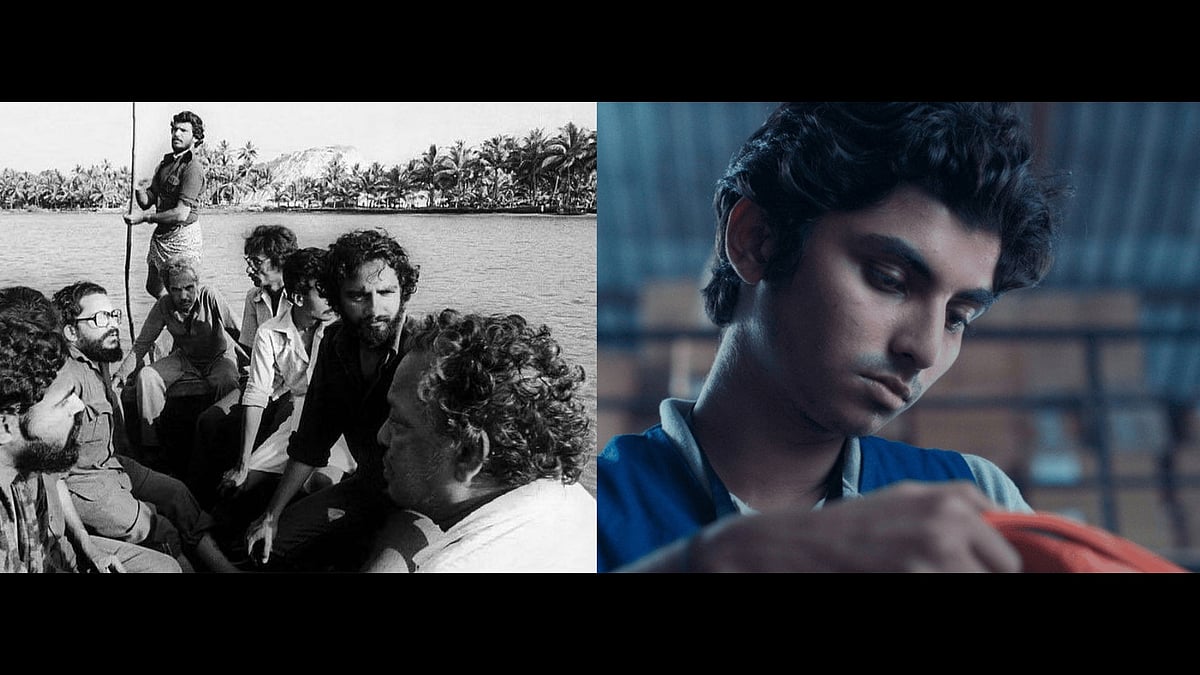
Amma Ariyan, Shadows of the Moonless Night (left to right) |
Every May, a small coastal city in the south of France becomes the axis of the cinematic world. The Festival de Cannes formally the Festival International du Film draws filmmakers, actors, critics, and distributors. The 79th edition runs from May 12 to 23, 2026.
Cannes was conceived in the late 1930s as a democratic counterweight to Venice, which had fallen under the shadow of fascism. When it finally launched in 1946, in a France still raw from war, it was funded partly through public subscription ordinary citizens who believed in the idea of free, international cinema. Long-serving General Delegate Thierry Frémaux described it as not one festival but many, running simultaneously across twelve days: competitions, parallel sections, retrospectives, and the world's most important film market.
For India, Cannes has been a slow, significant, sometimes interrupted relationship. It began with extraordinary promise. Neecha Nagar won the Grand Prix at the very first edition in 1946, giving Indian cinema one of its earliest international honours. In the decades that followed, the titans of Indian art cinema Bimal Roy, Satyajit Ray, Mrinal Sen, Mira Nair brought the country to the Croisette with a regularity that made India a name the festival knew.
Then came a long absence. Through much of the 1990s and 2000s, independent Indian cinema travelled to Cannes' parallel and market sections, but the main competition where the Palme d'Or is decided felt out of reach. That changed with a force no one quite anticipated in 2024. Payal Kapadia's All We Imagine As Light became the first Indian film to compete in the main section in thirty years and it won the Grand Prix, the festival's second-highest prize. But Kapadia was not alone. In the same edition, Anasuya Sengupta became the first Indian actress to win Best Actress at Cannes, for her performance in The Shameless in the Un Certain Regard section. And at La Cinéf the festival's student film competition Chidananda S Naik of FTII Pune won the Premier Prix for Sunflowers Were the First Ones to Know.
The 79th edition is not a year of dramatic Indian competition entries at the top tier but it reflects something arguably more interesting. India arrives at Cannes 2026 across multiple languages, forms, and entry points. Shadows of the Moonless Night, directed by FTII student Mehar Malhotra, is the standout official selection, chosen for the La Cinéf competitive section. The Punjabi-language short follows Rajan, a factory worker drifting through sleepless nights in the city, trying to reclaim the rest that always seems just beyond reach. Given FTII's record at La Cinéf two Premier Prix wins in five years the film arrives with genuine weight behind it.
In Cannes Classics, Amma Ariyan screens in 4K restoration a reminder that Cannes' relationship with India runs deeper than any single season. At the Marché du Film, the diversity of Indian storytelling is striking. Balan: The Boy, a Malayalam drama by Chidambaram. Chardikala, a Punjabi film starring Ammy Virk, world-premieres at the festival before its theatrical release. Shrimoyee Chakraborty's documentary Spirit of the Wildflower weaves together Adivasi heritage and female ambition. Lakadbaggha 2 is notable as the first official India-Indonesia co-production to reach Cannes, signalling new ground in Indian cinema's international collaborations.
Cannes, for India, is not an aspiration. It has been about a conviction that Indian stories, told on Indian terms, belong in the most demanding room in world cinema.
At Cannes
In Competition (Main Competition): The festival's top tier and the race for the Palme d'Or. Typically, 20 to 22 films are handpicked from thousands of global submissions by the selection committee. Winning here or even being selected transforms a film's commercial and critical life.
Un Certain Regard: Cannes' second official competition, focused on bold and original voices. Less about prestige, more about discovery films that take formal or thematic risks.
Cannes Classics: A celebration of cinema heritage. Restored prints of landmark films from around the world are screened, often in the presence of their makers.
La Cinéf: Cannes' competition exclusively for student films from accredited film schools worldwide. The Premier Prix is one of the most coveted honours a film student can receive.
ALSO READ
Marché du Film (Film Market): The world's largest film market, running parallel to the festival. This is where rights are sold, deals are struck, and films find international distributors and co-proParticipating film can present their project to buyers.
Directors' Fortnight & Critics' Week: Two independent sections.
Directors' Fortnight (La Quinzaine des Cinéastes) spotlights politically engaged and formally radical cinema. Critics' Week (La Semaine de la Critique) is a competition exclusively for first or second features.
RECENT STORIES
-
-
-
-
-