Budget 2026: Is India’s Economic Roadmap Finally In Sync With Gen Z?
From the orange economy to travel tweaks and rare earth corridors, India’s 2026 budget is speaking Gen Z’s language

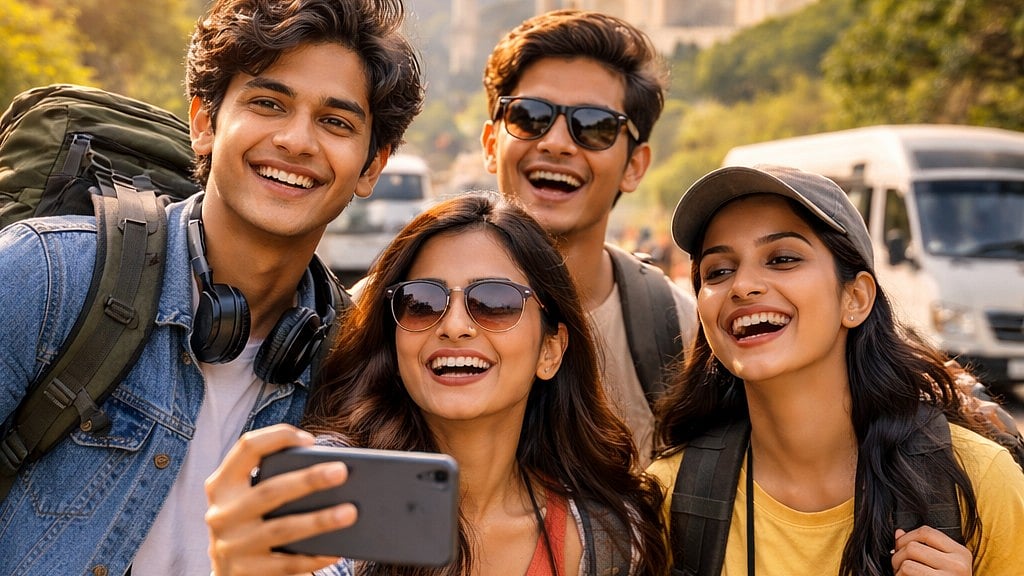
When Finance Minister Nirmala Sitharaman presented the Union Budget 2026, not many Gen Zers were glued to the TV. But scroll through their feeds a few hours later, and the conversation was alive about creativity being called an economy, about new job possibilities in gaming and design, and yes, about travel finally getting a little cheaper.
For the first time in years, a national budget didn’t feel like a spreadsheet, it felt like a reflection of how young India is actually living, working, and dreaming. From creative labs and rare earth corridors to sustainable tourism and affordable travel, the 2026 budget reads less like a financial document and more like a conversation between the system and its next generation.
And maybe that’s what truly sets it apart this year, not the numbers, but the message that the future economy isn’t just built on steel and cement anymore. It can be built on creativity, innovation, and the restless imagination of the young.
Creativity isn’t just a hobby
The biggest buzz came from the government’s formal recognition of the Orange Economy, industries powered by creativity, design, and culture. Animation, gaming, digital content, film, music, and all the things Gen Z grew up loving are now officially part of the country’s growth narrative.
For many young Indians, this was a recognizable moment. “I’ve been freelancing in animation for 2 years, and half the time people ask me when I’ll get a real job. When the finance minister said the creative economy was part of the budget, I felt seen. Like, okay, so this is real now,” says Milan Sharma, 23 years old.
The move isn’t symbolic, it comes with structure. The government announced AVGC (animation, visual effects, gaming, and comics) content creator labs in 15,000 schools and 500 colleges through the Indian Institute of Creative Technologies in Mumbai. A new National Institute of Design in eastern India will further strengthen creative education.
“It’s amazing that schools will actually teach things like animation or game design. Earlier, you had to teach yourself through YouTube and hope someone took you seriously. Now, it’s part of the system,” says Nitin Singh, 20, a gaming enthusiast.
This recognition marks a big cultural shift. For years, creative jobs were seen as unstable or niche. But with the AVGC sector expected to create millions of jobs by 2030, the orange economy is turning art, storytelling, and digital content into a serious career path.
It’s not just minerals
Beyond creativity, another major highlight was the announcement of rare earth corridors in Odisha, Kerala, Andhra Pradesh, and Tamil Nadu. At first glance, it sounds like something that belongs in a science report. But for Gen Z engineers and researchers, it’s a sign of opportunity.
These corridors aim to develop domestic production of critical minerals used in electric vehicles, wind turbines, and high-tech manufacturing, fields Gen Z deeply associates with sustainability and innovation.
Aakash Shah, 24, reveals, “I’ve been obsessed with electric mobility and renewable tech. The rare earth corridor plan isn’t just about minerals. It’s about the kind of jobs and research that could keep talent in India. That’s what excites me.”
For a generation often accused of quiet quitting or wanting instant gratification, there’s genuine interest in industries that feel future-forward and global. It’s not about patriotism, it’s about relevance.
Travel doesn’t feel luxury
One line in the budget speech that made young Indians collectively breathe easier was the cut in Tax Collected at Source (TCS) on overseas education, medical remittances, and travel.
For Gen Z, mobility isn’t indulgence, it’s learning. Whether it’s a short study program, remote work stint, or backpacking, now the world is their classroom. “Last year, I had to postpone my travel plans because the tax was crazy high. Now it feels like I can plan again without being punished for wanting to explore,” says Chadni Shah, 24.
The budget also places emphasis on experiential and eco-sensitive tourism, mountain trails across the Himalayas, turtle trails along India’s coasts, and heritage circuits that focus on culture and sustainability.
Hanish Sugandh, 25, who loves to travel. “It’s refreshing that they’re promoting adventure and ecotourism. We don’t just want five-star hotels. We want treks, trails, and real stories. It feels like they finally get that.”
This budget feels relevant
In previous years, Gen Z might have scrolled past budget headlines without stopping. But this time, something clicked. It’s not about tax slabs or macro numbers, it’s about identity. The government seems to recognize that young Indians are creative, mobile, and deeply curious about the world.
Dr. Saher Opai, 26, shares, “This budget doesn’t give me everything. But it gives me hope that the things we love doing, like designing, gaming, storytelling are being taken seriously. That’s a start.” There’s an acceptance that learning doesn’t always happen in classrooms, careers don’t always start in offices, and success doesn’t always mean a steady salary. This time, the government is breaking the traditional career norms to give a chance to creative career goals.
RECENT STORIES
-
-
-
-
-