A Lost Buddhist Monument From Sindh Gets A New Lease Of Life Through Mumbai Museum's Book; Why Is It Significant?
The remains associated with Kahu-jo-daro offer insights into the spread of Buddhism and the artistic traditions that flourished in the region. Its architectural and sculptural fragments also help researchers understand the craftsmanship, design elements and cultural influences that shaped Buddhist monuments in ancient Sindh.

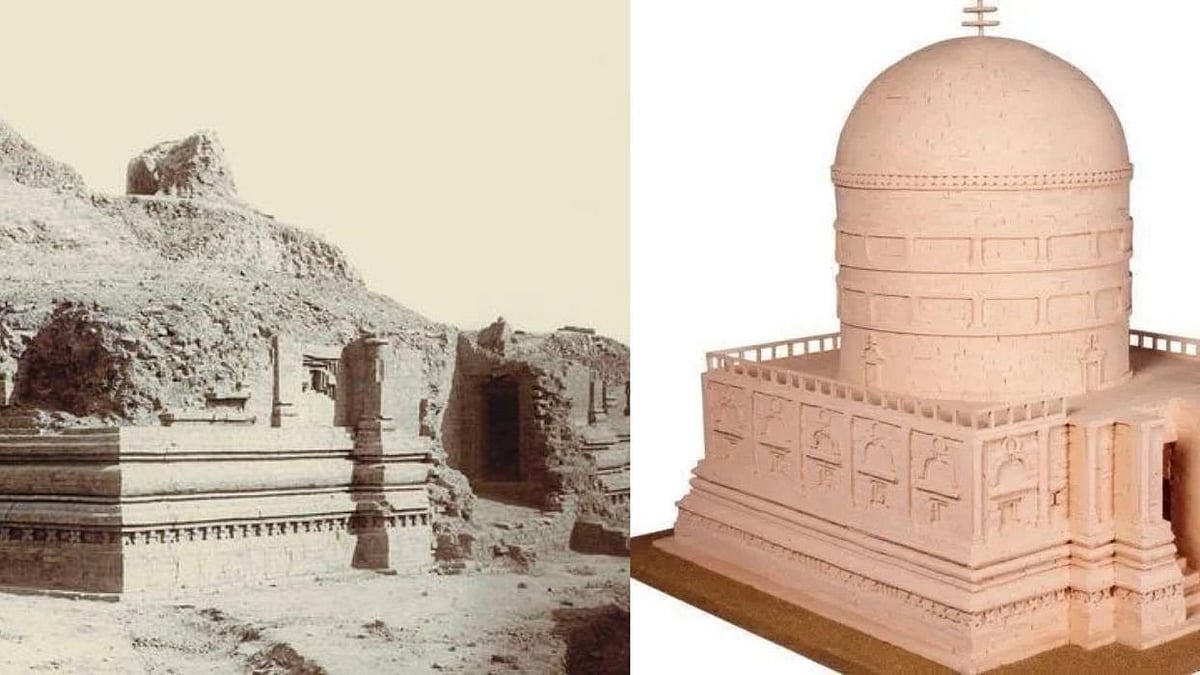
A Lost Buddhist Monument From Sindh Gets A New Lease Of Life Through Mumbai Museum's Book; Why Is It Significant? |
Mumbai’s Chhatrapati Shivaji Maharaj Vastu Sangrahalaya (CSMVS) has brought the history of a little-known Buddhist monument from Sindh into focus with the release of a new book titled Kahu-jo-daro: Buddhist Stupa. Released on November 17, 2026, at the museum’s Nalanda Learning Centre, the book brings 313 architectural, terracotta and sculptural fragments from the lost Sindh monument into the public domain.
The book offers a glimpse into the archaeological and cultural significance of Kahu-jo-daro, an ancient Buddhist stupa site in present-day Sindh, Pakistan. Although the monument no longer survives in its original form, the fragments provide valuable clues about its architectural features, artistic traditions and religious importance.
Why Is Kahu-jo-daro Significant?
Buddhist stupas are important structures in Buddhist religious architecture. Traditionally built to house sacred relics or commemorate significant events associated with the Buddha, they became important centres of worship, pilgrimage and community life.
The remains associated with Kahu-jo-daro offer insights into the spread of Buddhism and the artistic traditions that flourished in the region. Its architectural and sculptural fragments also help researchers understand the craftsmanship, design elements and cultural influences that shaped Buddhist monuments in ancient Sindh.
What Does The New Book Document?
Through the documentation of 313 fragments, Kahu-jo-daro: Buddhist Stupa brings together material that might otherwise remain unfamiliar to audiences. The publication provides an opportunity to study the surviving remains and understand the monument beyond its physical disappearance.
The sacred monument was built using sun-dried and fired bricks. The stupa featured intricate terracotta sculptures of the Buddha, lotus-carved bricks and votive clay tablets, reflecting Gandhara and Kushana-Gupta artistic influences.
Following early 19th-century interest in the site among British officials, Archaeological Survey of India Superintendent Henry Cousens conducted excavations there in 1909–1910. However, the monument had already suffered considerable damage. A significant portion of the mound was excavated in the 1890s, and its bricks were used as ballast for railway tracks. The site subsequently suffered further losses of masonry.
Level up your brain the fun way. Play daily games and quizzes on FPJ Smart!
RECENT STORIES
-
-
-
-
-