8 Practical Ways To Be A Kinder Person
Tips to build empathy, listen better, manage emotions, and practice everyday kindness without people-pleasing habits

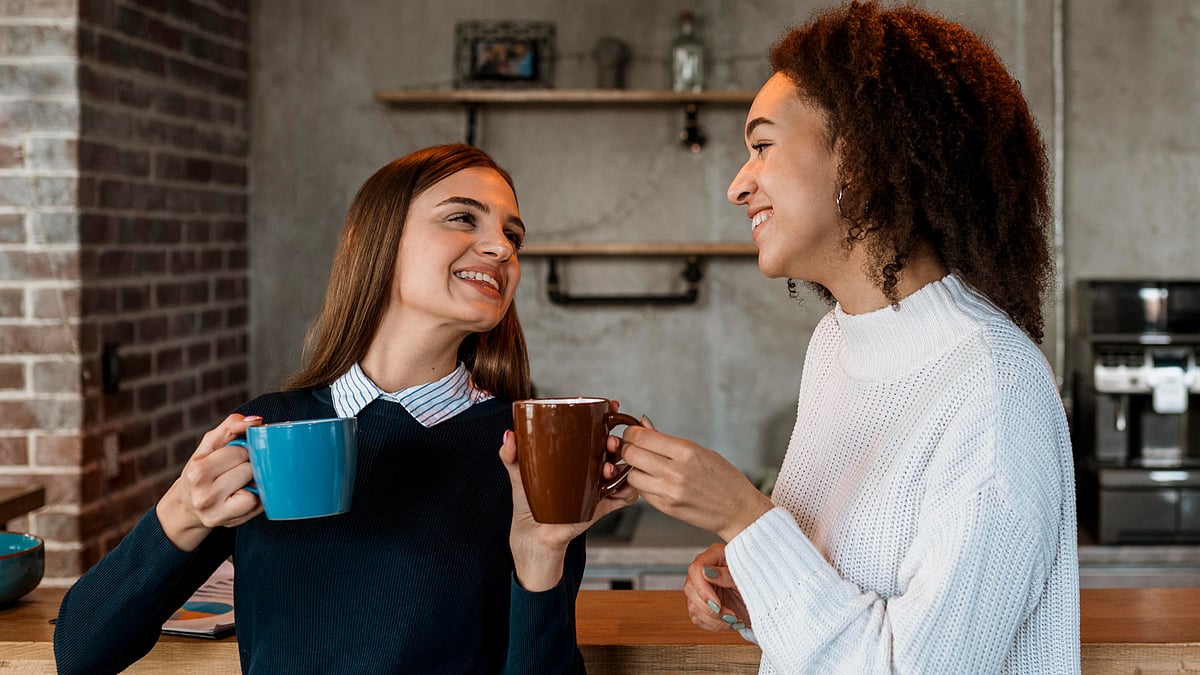
In a world that often feels rushed and self-focused, being a genuinely nice person can feel like a rare quality. But kindness isn’t a passive trait it’s a set of habits we can cultivate with awareness and intention. Being nicer isn’t about being perfect or always agreeable; it’s about showing empathy, respect, and generosity in ways that uplift others and enrich your own life. Here are eight powerful, practical ways to become a genuinely nicer person.
“Being a genuinely nicer person isn’t about surface-level politeness, but about deeper emotional awareness. It means noticing my reactions, practicing self-compassion, and choosing thoughtful responses over impulsive ones. When I truly listen, people feel seen and understood. By acknowledging emotions, expressing appreciation, and respecting healthy boundaries, I protect my own well-being while staying open to others. Understanding that everyone carries unseen struggles allows me to respond with empathy and build stronger human connections,” says Ekta Dharia, Clinical Psychologist and Psychotherapist.
Practice active listening: One of the easiest ways to be nicer is simply to listen. Put your phone down, look at the person in front of you, and let them finish what they’re saying without cutting in. When someone feels heard, they feel valued. And that small moment of attention can make a big difference in how safe, respected, and connected they feel with you.
Be mindful of your words: Words have a strong impact on how people feel. Speaking kindly, even when you are upset or stressed, can prevent unnecessary hurt. Before you speak, ask yourself if what you are about to say is helpful, honest, and kind. If it is not, consider rephrasing or staying silent. Compliments, encouragement, and polite language can brighten someone’s day, while harsh words can leave lasting emotional scars. Choosing your words carefully is a powerful way to be a nicer person.
Show empathy and understanding: Everyone you meet is dealing with their own struggles, even if you cannot see them. Try to imagine how someone else might be feeling before judging or reacting. When you show empathy, you become more patient and compassionate. A kind response to someone who is having a bad day can make a big difference in their life.
Help when you can: You do not need to make huge sacrifices to be helpful. It’s when you see someone in need and you are able to help, do it without expecting anything in return. These small moments of generosity build a reputation of being kind and caring, and they also make you feel good about yourself.
Use people’s names: A person’s name is one of the most important and meaningful words to them. Using someone’s name when you speak shows respect, attention, and personal care. Saying a name makes people feel noticed and valued. Whether it is a friend, teacher, coworker, or stranger, remembering and using their name helps create stronger and warmer connections.
Control your anger and reactions: Everyone gets angry or frustrated at times, but how you handle those emotions matters. A nicer person does not let anger turn into insults, shouting, or hurtful behaviour. When you feel upset, take a moment to breathe and calm yourself before reacting. Walking away or counting to ten can prevent you from saying or doing something you might regret. Learning to manage your emotions shows maturity and respect for others.
Be open-minded and respectful: People have different opinions, cultures, and lifestyles. Being nice means respecting these differences, even if you do not agree with them. Instead of arguing or judging, try to learn from others. An open mind helps you connect with people and avoid unnecessary conflict. Respectful conversations create understanding, which is an important part of kindness.
Be kind to yourself: You cannot be truly nice to others if you are constantly harsh on yourself. Treat yourself with the warmth and understanding you would show a friend. Accept that you will make mistakes and learn from them instead of being overly critical. When you feel good about yourself, you are more likely to spread positivity to others.
“True niceness comes from emotional awareness, not people-pleasing or forced positivity. When we pause, breathe, and name our feelings, we respond more thoughtfully. People feel someone is kind when they feel truly heard, which is why listening without interrupting or fixing matters. Setting boundaries is also part of being nice to others and yourself. With small, consistent efforts, the brain learns healthier ways to connect,” says Dipal Mehta, a Mumbai-based practising counsellor and psychologist.
Becoming a nicer person is a journey, not a one-time decision. By practicing listening, empathy, and self-control, you can improve not only how others see you but also how you feel about yourself. Kindness has a way of coming back to you, creating better relationships and a more peaceful life. Small changes in how you think and act can lead to big improvements in who you are.
RECENT STORIES
-
-
-
-
-