Web vs Mobile Trading Platforms: What Works Better For Investors?
Web and mobile trading platforms have transformed stock market investing by offering faster access, real-time tracking, and simplified trading. While web platforms provide advanced charts and detailed analysis for active traders, mobile apps offer flexibility, instant alerts, and easy access for investors who prefer trading on the go.

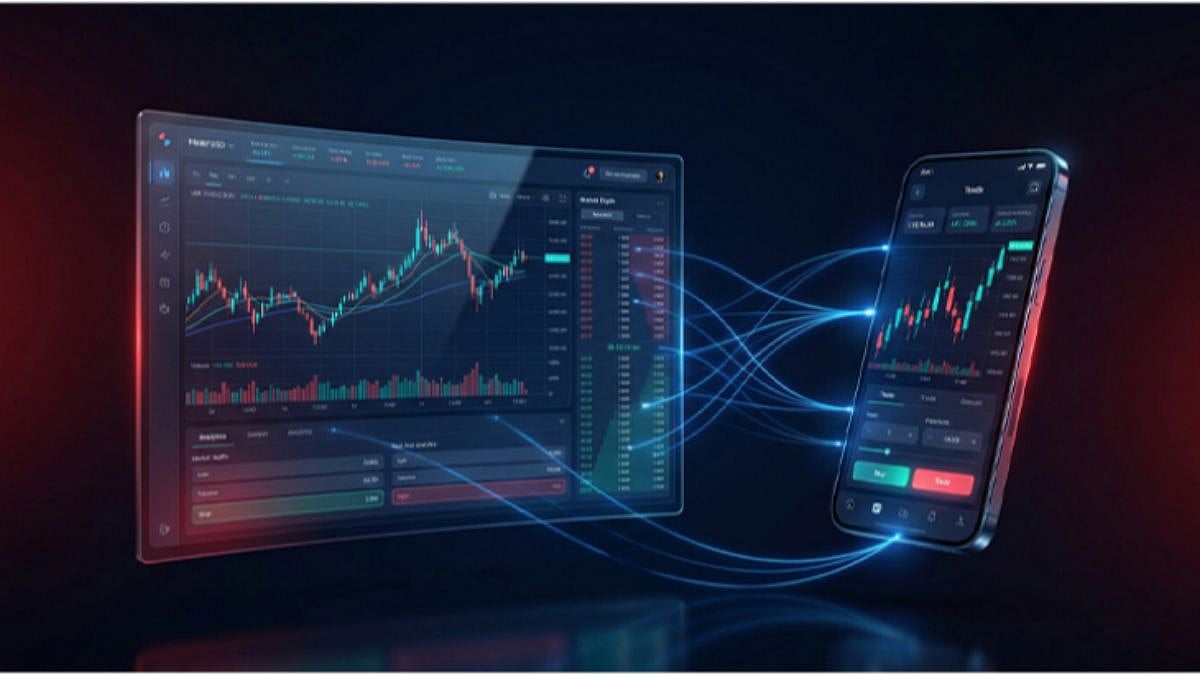
Investors increasingly rely on web and mobile trading platforms for faster stock market access and portfolio management | file photo
Stock trading looked very different just a few years ago. Investors had to jostle outside the exchanges to place their orders. The process was slower, investors had limited control, and most trades depended on intermediaries. But today, things are very different. Digital trading platforms have changed everything.
Now, you have two main options. You can use a web-based trading platform on your laptop or desktop. Or you can use a mobile trading app on your smartphone. Both let you place trades, track markets, and manage your portfolio in real time. However, they function differently. Each has its own strengths and weaknesses. As an investor, you should know the difference. This helps you choose the right platform for your needs.
Meaning Of Web Trading Platforms
A web trading platform runs on a website. You open it using a browser like Chrome, Opera, or Safari. You do not need to download any app or software. You can simply log in to your trading account and start trading.
Web platforms are mainly designed for larger screens. Investors use them on desktops or laptops. They usually offer detailed charts, research tools, and full account access.
Meaning Of Mobile Trading Platforms
A mobile trading platform is essentially a trading app. You install it on your smartphone or tablet. You can download it from the Play Store (for Android phones) or App Store (for iOS phones).
Mobile trading platforms are built for smaller screens. They focus on ease of use. They allow investors to trade anytime and from anywhere.
Key Differences Between Web And Mobile Trading Platforms
1. Ease Of Access
Web platforms need a laptop or desktop. You also need a stable internet connection. This makes them suitable for home or office use.
Mobile apps offer more flexibility. You can trade while travelling, at work, or even during a short break. All you need is your phone and the internet.
2. Screen Size And Experience
Web platforms are built for larger screens. This makes it easier to analyse charts. You can view multiple windows at the same time. This helps in better decision-making.
Mobile apps are built for smaller screens. You may not see all the details at once. You need to switch between tabs.
3. Speed And Performance
Web platforms depend on browser performance and internet speed. They work well on good systems. But older devices may feel slow.
Mobile apps are designed for fast use. They open quickly. Placing orders is usually faster.
4. Notifications And Alerts
Web platforms provide alerts. But you need to stay logged in to see them.
Mobile apps send instant notifications. You get alerts even when the app is closed. This helps you act quickly.
5. Security
Both platforms are generally safe. They use passwords, OTPs, and other security features to protect your personal data.
However, mobile phones can be lost or stolen. This creates risk if security is weak. Web platforms can be safer when accessed through secure personal computers
Pros And Cons Of Web Trading Platforms
Pros
Better for research and analysis
Web platforms offer advanced charts and tools. This helps you study stocks in depth.
Large screen improves visibility
You can see more information at once. This eliminates the risk of mistakes during trading.
Good for active traders
Traders who make frequent trades need detailed tools. Web platforms support this.
No need to install apps
You can access your account from any computer. You are not required to download any app or software.
Cons
Less flexible
It’s not easy to carry your laptop or desktop everywhere.
Missed opportunities
You may miss opportunities when you are away from your system.
Depends on system performance
Slow computers may affect trade execution
Pros and Cons of Mobile Trading Platforms
Pros
Trade anytime, anywhere
This is the biggest advantage of mobile trading apps. Your trading account is always with you.
Easy to use
Most apps have a simple interface. Beginners generally find them easy.
Fast order placement
You can place trades quickly.
Instant alerts
You receive real-time updates.
Cons
Limited screen size
Deep analysis can be harder. You can make mistakes while trading.
Fewer advanced tools
Some features may not be available for mobile app users.
Phone distractions
Calls and messages can interrupt trading.
Which One Should You Choose?
The answer depends on your trading style. If you are a long-term investor, a mobile app is often enough. You do not need advanced tools every day. You just need to track your investments and place occasional trades. Mobile apps work well for this.
If you are an active trader, a web platform may be better. You need charts, indicators, and detailed data. These tools help you make better decisions.
Many investors use both. They use web platforms for research and planning. They use mobile apps for quick access and tracking. Brokers like Kotak Neo allow you to open Demat account within a few minutes through their mobile trading apps. These platforms also provide tools designed to simplify trading.
Final Thoughts
Technology has made trading simple and fast. Both web and mobile platforms help investors participate in the stock market with ease. Each has its own advantages as well as limitations.
Web platforms offer depth and detailed analysis. Mobile apps offer speed and flexibility.
Many investors use both, depending on what they need at the moment. This improves their overall trading experience.
Published on: Thursday, May 07, 2026, 04:00 PM ISTRECENT STORIES
-
-
-
-
-