Water Vapour Therapy: A Minimally Invasive Breakthrough In Prostate Care
Benign Prostatic Hyperplasia (BPH) is a common condition among ageing men, causing urinary issues. Experts highlight Rezum water vapour therapy as a minimally invasive alternative to surgery, offering effective symptom relief with quicker recovery and fewer complications.

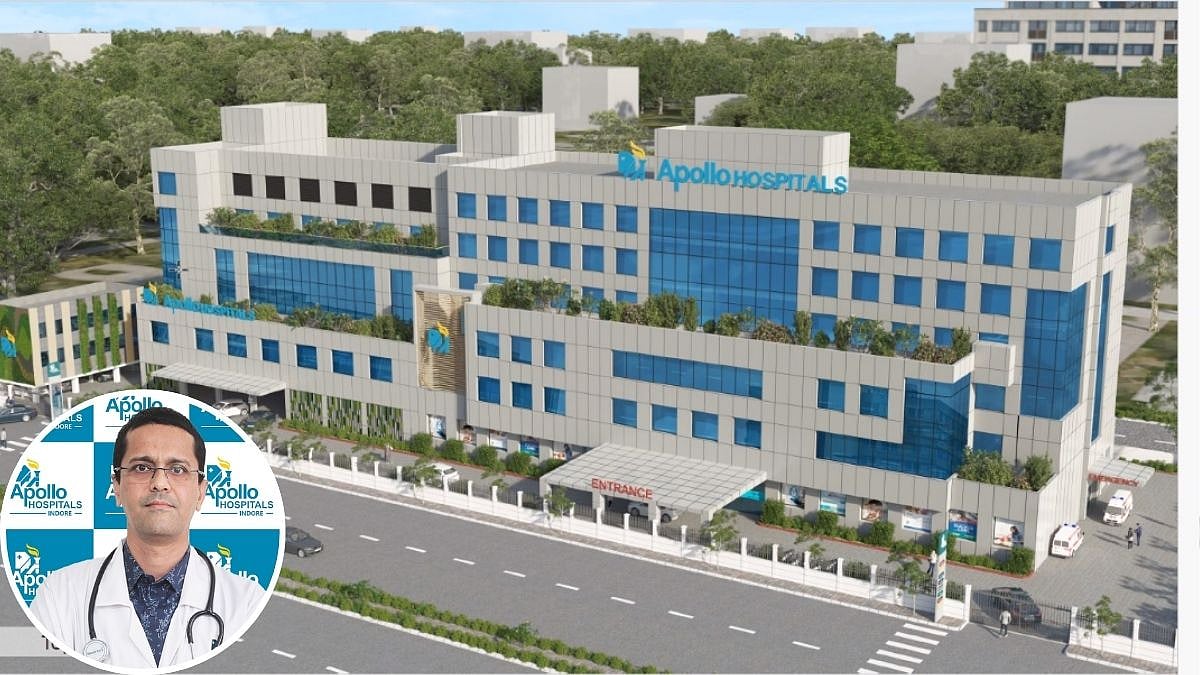
Modern water vapour therapy offers a minimally invasive solution for prostate enlargement and urinary symptoms | File Photo
Understanding Benign Prostatic Hyperplasia (BPH) and Modern Treatment Options
Benign Prostatic Hyperplasia (BPH), or prostate enlargement, is a common condition affecting aging men in India. It often manifests as urinary frequency, weak flow, and sleep disturbances, which can significantly impact a person's daily life. While lifestyle changes and medications are the first line of defense, many patients eventually require procedural intervention.
In this clinical overview, Dr. Saurabh Chipde, Consultant Urologist, Robotic & Transplant Surgeon sheds light on a significant advancement in the field: Rezum Water Vapour Therapy.
Q: What exactly is Water Vapour Therapy?
Dr. Saurabh Chipde: Water Vapour Therapy is a minimally invasive, "convective" thermal therapy. It utilizes the natural energy stored in water vapour (steam) to treat the excess prostate tissue obstructing the flow of urine. During the procedure, small amounts of steam are injected into the prostate. When the steam turns back into water, it releases stored energy, causing the obstructive cells to die. Over time, the body naturally absorbs this treated tissue, shrinking the prostate.
Q: How does it compare to traditional surgical methods like TURP?
Dr. Saurabh Chipde: Traditional surgeries like TURP (Transurethral Resection of the Prostate) involve the surgical removal of tissue under general or spinal anesthesia. While effective, they may involve longer recovery times. Water Vapour Therapy offers several distinct clinical advantages:
Preservation of Function: It is specifically designed to protect sexual and urinary function.
Outpatient Procedure: It can often be performed under local anesthesia or sedation.
Quick Recovery: Most patients return to regular activities within a few days.
Minimal Blood Loss: Because it is non-surgical (no incisions), the risk of bleeding is significantly lower.
Q: Can you describe the typical patient experience with this therapy?
Dr. Saurabh Chipde: I recently consulted with a 65-year-old patient who was struggling with severe nocturia (waking up multiple times at night). He was apprehensive about traditional surgery due to the associated downtime. We opted for Water Vapour Therapy as a day-care procedure. He was able to return home shortly after. In the following weeks, as the body cleared the treated tissue, his urinary flow improved markedly, and he regained a full night’s sleep.
Q: Who is an ideal candidate for this procedure?
Dr. Saurabh Chipde: Clinical guidelines generally suggest this therapy for men who:
● Have a prostate volume between 30cc and 150cc.
● Experience side effects from BPH medications or find them ineffective.
● Wish to avoid the risks associated with more invasive surgical procedures.
● Are prioritized for the preservation of erectile and ejaculatory function.
Q: What should patients expect regarding safety and results?
Dr. Saurabh Chipde: This is a clinically validated procedure with years of global data. It is considered safe when performed by trained urologists following strict patient selection protocols. While results are not "instant"—as the body needs a few weeks to reabsorb the tissue—the long-term symptom relief is highly comparable to more invasive methods but with a much gentler recovery profile & without side effects associated with Conventional one.
Q: What is your advice for men over 50 regarding prostate health?
Dr. Saurabh Chipde: Do not normalize urinary discomfort as "just a part of aging." Early diagnosis is key. A simple consultation and a uroflowmetry test can determine the best course of action. With modern technology, we can now treat BPH in a way that prioritizes both clinical success and the patient’s quality of life.
Key Takeaways for Patients
Dr. Saurabh Chipde
MBBS, MS, MCh
Consultant – Urologist, Robotic & Transplant Surgeon
Contact : 9826394151
Disclaimer: This article is for informational purposes only and does not constitute medical advice. Consult a qualified urologist to discuss the best treatment plan for your specific condition.
RECENT STORIES
-
-
-
-
-