Modernizing Kitchen Tech: FreshBreeze And HTC Innovation Analysis 2026
Kitchen technology in 2026 focuses on smarter, energy-efficient food preservation systems. Innovations like FreshBreeze use active air circulation and odor filtration, while HTC creates precise humidity and temperature zones for different foods. Modular Spice Box storage improves organization and flavor retention. Together, these trends reduce food waste and transform modern kitchens.

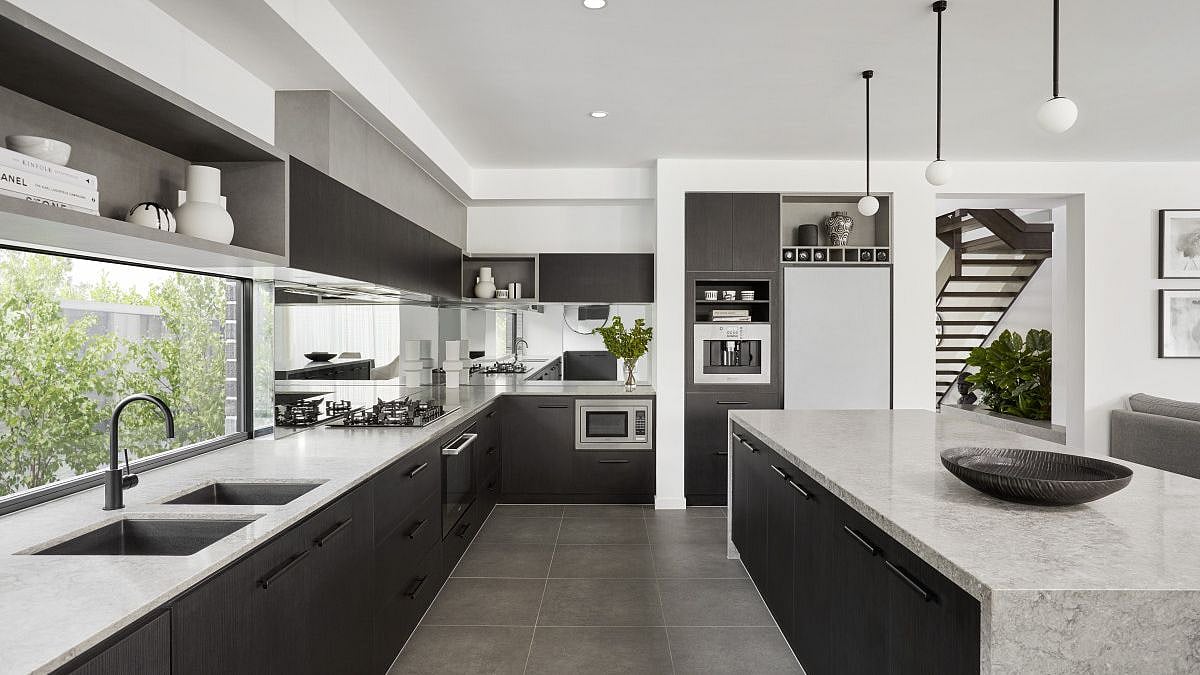
Modernizing Kitchen Tech: FreshBreeze And HTC Innovation Analysis 2026 | file photo
The kitchen has shifted from a purely functional space to the technological heart of the home, and the kitchen technology trends defining 2026 reflect that transformation. Appliances now combine sensor-driven preservation, climate control inside cooling compartments, and modular storage concepts that rethink how ingredients are stored, accessed, and kept fresh. Modern kitchen technology no longer means simply adding a touchscreen to a hob or fridge. It means engineering the air, humidity, and temperature inside every compartment to extend shelf life, reduce food waste, and elevate everyday cooking.
Three innovations stand out in this analysis: FreshBreeze for active air circulation, HTC for precision humidity and temperature control, and the Spice Box concept for organized aromatic storage. Together, they illustrate where kitchen technology innovations are heading in 2026, and why home cooks, design enthusiasts, and sustainability-minded households are paying close attention to these systems.
TL;DR — Key Takeaways
FreshBreeze technology uses active air circulation and odor filtering to keep produce fresh significantly longer.
HTC (Humidity and Temperature Control) creates precise micro-climates inside cooling compartments.
The Spice Box introduces modular, aroma-tight storage for herbs, spices, and small ingredients.
Kitchen trends 2025 carried sustainability into 2026, where waste reduction is now a core design principle.
Integrated cooling and freezing systems are becoming smarter, quieter, and more energy efficient.
The Rise of FreshBreeze in Modern Cooling
FreshBreeze represents one of the clearest answers to the question of what are the latest trends in kitchen design when it comes to food preservation. The system actively circulates air inside the refrigerator compartment, keeping temperature distribution even and humidity stable. A built-in activated charcoal filter neutralizes odors, which means strong-smelling cheeses no longer compromise the aroma of nearby fruits or leftovers.
How Active Air Circulation Extends Freshness
Traditional refrigerators rely on passive cooling, which creates warm and cold zones. FreshBreeze eliminates these inconsistencies by gently moving cooled air across all shelves. The result is more uniform storage conditions, which slows the ripening of fruits, preserves the texture of vegetables, and maintains the quality of dairy. For households focused on reducing food waste, this is one of the most practical kitchen technologies available today.
Odor Neutralization and Air Quality
The integrated charcoal filter purifies circulating air continuously. Unlike older deodorizing tablets, this filter operates as part of the airflow system itself, meaning it works whenever the appliance is running. The benefit is twofold: ingredients retain their natural aroma profile, and opening the refrigerator door no longer releases mixed odors into the kitchen.
HTC: Precision Climate Inside the Appliance
Humidity and Temperature Control, abbreviated as HTC, is arguably the defining innovation among kitchen technology innovations in 2026. While earlier generations of appliances offered a single humidity drawer or a chiller zone, HTC takes a programmable approach. Users select the storage profile, and the compartment automatically adjusts both humidity and temperature to match.
Tailored Storage Profiles
HTC compartments typically support distinct modes for fish and seafood, meat, fruits and vegetables, and delicate items like herbs or berries. Each mode targets a specific combination of cool temperature and relative humidity. Leafy greens, for instance, benefit from high humidity around 90 percent, while fish stays freshest just above freezing with lower humidity to prevent surface degradation.
Energy Efficiency and Sensor Intelligence
Modern HTC systems use multiple sensors to monitor compartment conditions in real time. Adjustments are subtle and continuous rather than reactive, which keeps energy consumption low. Compared to the kitchen technology 2022 generation, current HTC implementations consume notably less power while delivering far more precise climate control. This efficiency aligns with the broader sustainability direction that has shaped kitchen trends 2025 and continues to define purchasing decisions in 2026.
Storage Zone Temperature Humidity Ideal For
HTC Fish Mode -2 to 0 °C 70-75% Fish, seafood
HTC Meat Mode 0 to 2 °C 75-80% Raw meat, poultry
HTC Produce Mode 2 to 4 °C 85-90% Vegetables, leafy greens
Standard Cooling 4 to 5 °C 50-60% Dairy, beverages, leftovers
The Spice Box and Modular Storage Concepts
The Spice Box may sound like a smaller innovation compared to climate technology, but it answers a real organizational problem. Spices and herbs lose potency quickly when exposed to light, fluctuating humidity, and temperature swings. The Spice Box creates a dedicated, aroma-tight environment that preserves intensity over time.
Why Aroma-Tight Storage Matters
Volatile compounds in dried herbs and ground spices evaporate or oxidize when storage is poor. A sealed, climate-stable container slows this process dramatically. Cooks who invest in quality spices benefit from longer-lasting flavor, and the modular nature of the Spice Box means it integrates into existing drawer or compartment layouts without redesigning the kitchen.
Integration With Cooling Systems
Some Spice Box implementations sit within a cooled drawer, while others operate at room temperature with controlled humidity. The flexibility reflects a broader pattern in 2026: appliances are increasingly modular, allowing households to configure storage based on their actual cooking habits rather than a fixed manufacturer layout.
Freezing Technology and the Bigger Picture
Cooling alone does not define the modern kitchen. Freezing technology has advanced significantly, and anyone evaluating a new Freezer in 2026 will encounter features that were unthinkable a few years ago: NoFrost systems that eliminate manual defrosting, SuperFrost modes that quickly drop temperatures to protect newly added items, and IceMaker units with fixed water connections for continuous ice production.
The combination of advanced freezing, FreshBreeze circulation, HTC zones, and modular storage like the Spice Box illustrates how kitchen technologies are converging. Each individual feature solves a specific problem, but together they form an ecosystem that addresses preservation, organization, and efficiency simultaneously.
Key Considerations When Evaluating New Appliances
Energy class and annual consumption figures
Compartment flexibility and the number of climate zones
Noise level during operation, particularly for open-plan kitchens
Compatibility with smart home systems and remote monitoring
Filter and sensor maintenance intervals
Frequently Asked Questions (FAQ)
What are the latest kitchen trends in 2026?
The dominant trends include precise humidity and temperature control, active air circulation systems like FreshBreeze, modular storage solutions such as the Spice Box, and a continued focus on energy efficiency and food waste reduction. Smart connectivity and quieter operation are also defining features.
How does FreshBreeze differ from standard refrigeration?
Standard refrigeration relies on passive cooling, which produces uneven temperature zones. FreshBreeze actively circulates filtered air throughout the compartment, creating consistent conditions on every shelf and neutralizing odors through an integrated activated charcoal filter.
Is HTC technology worth the investment for home cooks?
For households that buy fresh produce, fish, or meat regularly, HTC technology often pays for itself through reduced food waste. The ability to store different ingredient categories under their ideal conditions extends shelf life and preserves quality, which translates into fewer discarded items and better cooking results.
Published on: Thursday, June 25, 2026, 01:22 PM ISTRECENT STORIES
-
-
-
-
-