Furkat Kasimov’s Advice To India’s Biggest CEOs: AI Marketing Is Becoming An Operating System
At the centre of his thesis is authorized synthetic media, which many people still casually call deepfakes. He argues that for India Inc, it is a production capability that can turn distribution footprint and language diversity into a compounding advantage.

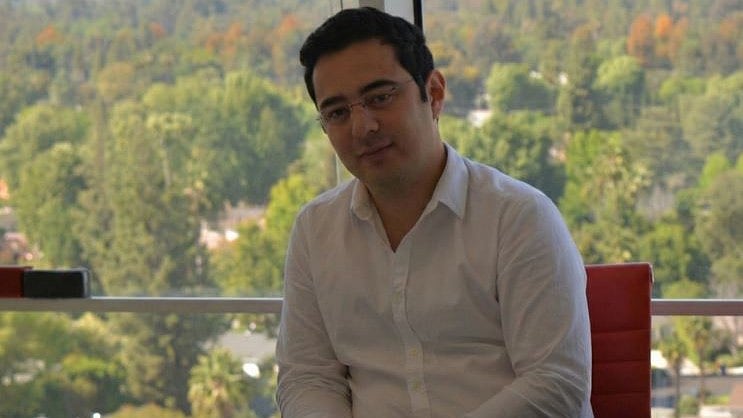
Furkat Kasimov
Furkat Kasimov does not begin his thinking about AI in marketing with creativity. He begins with scale, governance, and trust. In his view, the fundamentals of marketing remain unchanged.
“Marketing has not changed,” Kasimov said. “The job is still to earn attention and trust. What has changed is the unit of execution. It is moving from one campaign for everyone to millions of variations that still feel human.”
At the centre of his thesis is authorized synthetic media, which many people still casually call deepfakes. He argues that for India Inc, it is a production capability that can turn distribution footprint and language diversity into a compounding advantage.
Synthetic Media Moves Into Mainstream Advertising
One of the best examples remains Mondelez’s Cadbury Celebrations campaign built with Ogilvy, where local retailers could generate localized ads featuring Shah Rukh Khan as “their” ambassador. The APAC Effie winner brief reports a 7.3% uplift in brand consideration and 35% sales growth during the period.
Kasimov’s point is that synthetic media is no longer niche. It is moving into mainstream advertising. That is exactly why CEOs must treat it as both an opportunity and a governance problem.
Why India Is the Ideal Test Market
India’s challenge is also its advantage: many languages, many city tiers, and deep distribution networks. For conglomerates with dealer networks, franchise partners, branch footprints, and vast channel ecosystems, Kasimov believes the upside is the ability to ship local relevance without reshoots, travel, or constant creative bottlenecks.
“The winners will be the companies that treat AI as a production factory with controls,” he said. “Not as a creative toy.”
The Digital Legacy Question
Once companies see what synthetic media can do with living ambassadors, the next question arrives quickly: Can a brand responsibly use a figure who has passed away but remains deeply trusted?
In India, few names trigger more immediate respect across generations than J. R. D. Tata and Ratan Tata, who remain symbols of institution-building and values-led leadership.
Across cultures, the emotional power is equally obvious. Kasimov pointed to examples of icons whose voices and faces remain instantly recognizable and widely respected, including singers Lata Mangeshkar and Mohammed Rafi, and cinema legends like Dilip Kumar, Raj Kapoor, Sridevi, and Irrfan Khan. The point, he stressed, is emotional familiarity, deployed with permission and restraint.
A Provocative Fintech Example
When the discussion turns to regulated industries, Kasimov offers a hypothetical example involving someone like Nithin Kamath, the founder and CEO of Zerodha. If a brokerage wanted to communicate long-term investing values at scale, he suggested exploring whether it would be possible to license a digital avatar of the late Rakesh Jhunjhunwala from his estate, with strict guardrails and clear disclosure. Jhunjhunwala is often described as India’s best-known stock investor.
Kasimov framed it as a trust and education play, not a “hot stock tip” machine: a short, consistent set of investor-safety messages tailored by language and region, delivered by an icon associated with conviction and long-term optimism.
He also immediately flagged the hard part: compliance.
Financial advertising in India has specific rules and exchange codes around stock-broker advertising, and these can include constraints around celebrity or influencer participation and how ads may influence trading decisions. Any such campaign would require full legal and compliance sign-off, disclosure discipline, and platform verification processes that have been tightening in response to fraud.
The CEO Checklist Kasimov Keeps Repeating
Kasimov’s guidance is consistent across sectors: treat synthetic media like IP. Secure explicit rights, including estate agreements for posthumous usage, and define hard limits on what the persona can and cannot say.
Assume the reputational bar is higher than the legal bar. If it cannot survive daylight scrutiny, do not do it.
“The goal is not to trick anyone,” Kasimov said. “Deepfakes got their name from the worst use case. The enterprise use case is authorized, governed, and designed to create relevance at scale.”
RECENT STORIES
-
-
-
-
-