Rainfall Deficit Raises Concerns Over Water Wastage In Ratlam
However, conserving existing supplies is equally important, particularly when rainfall remains below expectations. Administrative vigilance, effective implementation of regulations and public cooperation can help prevent avoidable losses. Residents must also adopt responsible practices and avoid leaving taps running unnecessarily.

Rainfall Deficit Raises Concerns Over Water Wastage In Ratlam |
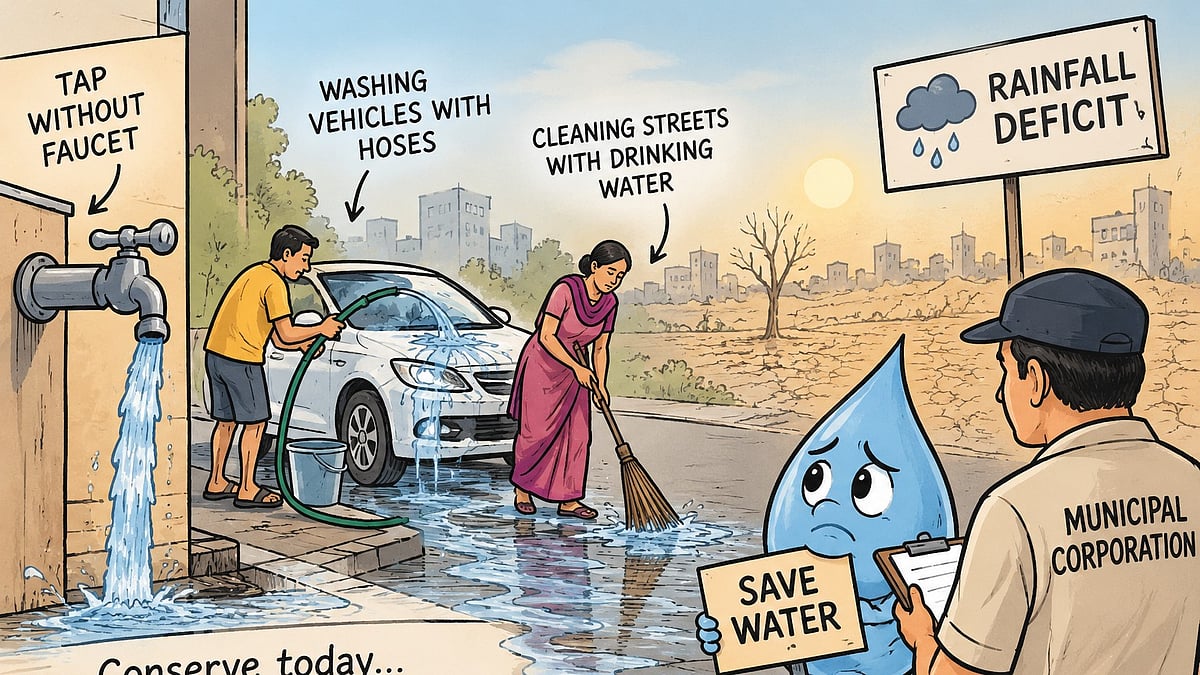
Ratlam (Madhya Pradesh): With Ratlam facing a rainfall deficit, concerns over drinking water availability have highlighted the need for stricter conservation measures. Water continues to be wasted through unattended taps without faucets, hosepipe washing of vehicles and cleaning streets with drinking water, despite concerns over future supplies.
The situation calls for stronger monitoring and enforcement by the Municipal Corporation. Ward-level staff could be deployed to identify instances of water wastage and ensure timely action. Fines under existing regulations could be imposed on those deliberately wasting drinking water. A complaint mechanism allowing residents to submit photographs of violations could also help authorities respond promptly and monitor action taken.
Clear guidelines are needed to restrict the use of drinking water for washing vehicles with hoses, cleaning streets and other non-essential activities. Introducing metered water connections, wherever technically and economically feasible, could encourage responsible consumption and help regulate usage.
For Ratlam and the wider Malwa region, water conservation must extend beyond immediate measures. Rainwater harvesting, preservation of ponds and rejuvenation of traditional water bodies are essential to improving long-term water availability.
However, conserving existing supplies is equally important, particularly when rainfall remains below expectations. Administrative vigilance, effective implementation of regulations and public cooperation can help prevent avoidable losses. Residents must also adopt responsible practices and avoid leaving taps running unnecessarily.
A coordinated approach combining enforcement, public awareness and long-term conservation measures is essential to reduce water wastage and protect available drinking water resources.
ALSO READ
RECENT STORIES
-
-
-
-
-