Historians Raise Concern Over Declining Museum Culture In Indore
He emphasised that with hundreds of schools and colleges in Indore, museums can play a vital role in spreading awareness about history, science, art and culture. “Museums act like time machines where children learn beyond classrooms through real objects and experiences,” Ansari pointed out that despite the city’s rapid growth over the last century,

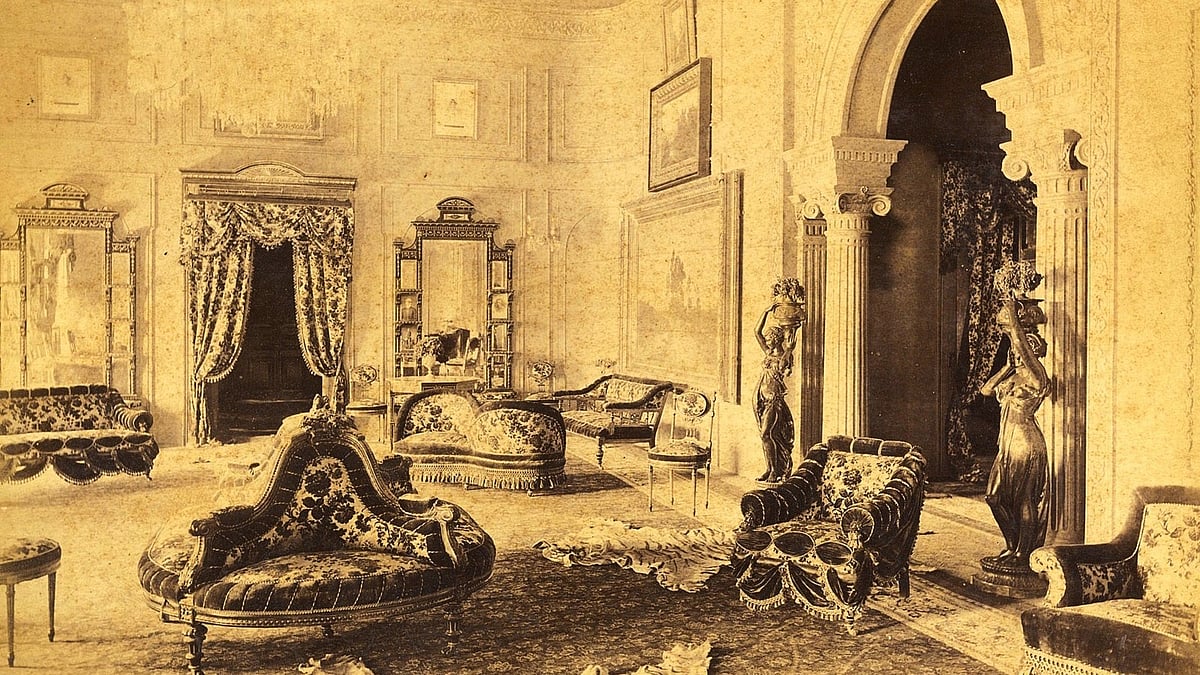
Historians Raise Concern Over Declining Museum Culture In Indore | FP Photo
Indore (Madhya Pradesh): On the occasion of International Museum Day 2026, historians and heritage enthusiasts in Indore raised concerns over declining public engagement with museums and historical collections, even as this year’s theme by the International Council of Museums focuses on “the role of museums in uniting a divided world”.
Indore’s museum history dates back more than a century. According to city historian Zafar Ansari, Maharaja Tukoji Rao Holkar III established the city’s first museum in 1923 as Nar Ratna Mandir, then known as the Indore Museum. After Independence, historical artefacts from the Krishnapura-based structure were shifted to the present-day Central Museum Indore near the city zoo. The old building was later converted into the Devalalikar Kala Vithika, dedicated to noted artiste DD Devalalikar. In essence, today’s art gallery once served as Indore’s first museum.
Ansari pointed out that despite the city’s rapid growth over the last century, only one major museum dedicated to historical artefacts has been established. He expressed concern that while thousands visit the nearby zoo every Sunday, only a handful enter the Central Museum. According to him, the digital age has distanced children from the culture of collecting stamps, coins, comics and historical memorabilia, hobbies that once connected young minds to history and heritage.
He emphasised that with hundreds of schools and colleges in Indore, museums can play a vital role in spreading awareness about history, science, art and culture. “Museums act like time machines where children learn beyond classrooms through real objects and experiences,” he said. He added that the city urgently requires new museums dedicated to history, culture, science and art.
For the last three decades, Ansari has personally collected and preserved more than 15,000 artefacts related to Indore and the Holkar State. His collection, now organised as a private library, museum and archive, is considered one of India’s largest collections dedicated to a single city. The archive contains rare photographs, postal records, royal documents, licences, trade papers and historical objects reflecting Indore’s transformation over the decades.
During international events hosted in Indore, including the G20 Summit and Pravasi Bharatiya gatherings, Ansari displayed several rare original artefacts linked to the city’s history. Through hundreds of heritage walks conducted over the years, he has also introduced school students to Indore’s architectural and cultural legacy, especially the contributions of Ahilyabai Holkar.
Recently, Usha Devi Holkar sent a letter of appreciation acknowledging Ansari’s efforts in promoting Indore’s heritage at national and international levels.
RECENT STORIES
-
-
-
-
-