Right To Electricity Protected Under Article 21, Property Dispute No Ground To Deny Connection: Allahabad High Court
The Allahabad High Court ruled that access to electricity is protected under Article 21 as part of the right to live with dignity. It held that a pending property ownership dispute cannot alone justify denying a connection. Allowing a Raebareli resident's petition, the court directed authorities to reconsider his application within 10 days, subject to applicable legal and technical requirements.

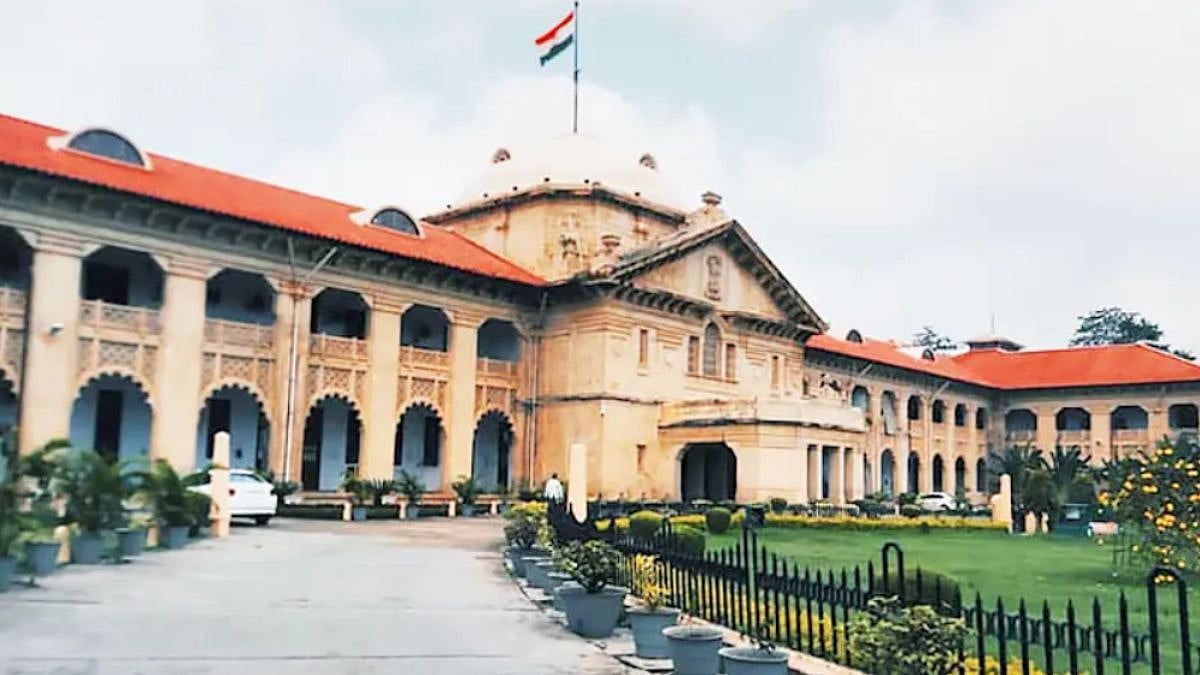
Right To Electricity Protected Under Article 21, Property Dispute No Ground To Deny Connection: Allahabad High Court | File Pic
The Allahabad High Court has ruled that access to electricity is an important part of living with dignity and is protected under Article 21 of the Constitution. The court observed that an electricity connection cannot be denied merely because a dispute over the ownership of a property is pending before a civil court.
A bench of Justices Alok Mathur and Abdhesh Kumar Chaudhary made the observations while allowing a petition filed by Rakesh Kumar Mishra, whose application for a domestic electricity connection at a property in Raebareli, Uttar Pradesh, had been rejected. The court held that an applicant willing to submit the prescribed indemnity form and fulfil the necessary conditions cannot be refused a connection solely because of an ownership dispute,Live Law reports.
Property Dispute Behind Rejection
Mishra resides at a property whose ownership is being contested in a civil court. The dispute is pending before the Civil Judge (Junior Division) in Raebareli.
In July 2026, electricity officials rejected his application for a fresh domestic connection because he had failed to produce documents establishing his rights over the property. These included a registered sale deed, succession certificate or no-objection certificate (NOC).
What Electricity Rules Say
Challenging the rejection before the High Court, Mishra relied on Clause 4.4 of the Electricity Supply Code, 2005, which allows applicants to submit an indemnity form prescribed under Annexure 4.2.
After examining the provision, the court noted that the rules do not make proof of ownership the only basis for obtaining an electricity connection. Applicants can also establish occupancy through documents such as a valid power of attorney, the latest rent-paid receipt, a valid lease deed or an indemnity form.
The bench observed that even someone who does not own the property may qualify for a fresh electricity connection, provided the person is willing to clear outstanding dues and furnish the required indemnity bond.
Ownership Dispute Cannot Decide Electricity Access
A private respondent opposed Mishra’s petition, arguing that he was not the property owner and that the pending civil suit prevented authorities from granting him an electricity connection.
The court rejected the argument as insufficient to deny electricity. It explained that electricity authorities are primarily responsible for verifying whether an applicant occupies the premises and meets the necessary legal and technical requirements. They are not expected to settle private disputes over property ownership.
The ruling draws an important distinction between the right to occupy a property and the legal question of who owns it. A pending ownership dispute, the court’s reasoning makes clear, cannot automatically become a barrier to an essential service when the applicant meets the prescribed conditions.
Electricity Linked To Right To Life
Explaining the constitutional position, the bench observed that the right to life under Article 21 extends beyond mere physical survival. It also covers conditions necessary for a person to live with human dignity.
The court highlighted how electricity supports everyday necessities, including lighting, water access, cooking, refrigeration, communication, education, healthcare and livelihood. It held that access to electricity has a substantial constitutional connection with the right to life and personal liberty.
Referring to the Supreme Court’s 1995 judgment in Chameli Singh v. State of UP, which recognised shelter as an essential component of the right to life, the bench observed that electricity is an important facility for making a home suitable for meaningful habitation.
Right To Electricity Is Not Unlimited
The High Court also clarified that constitutional protection does not mean an individual has an unconditional right to free or unlimited electricity.
“The entitlement remains subject to the requirements of the applicable statutory framework, including lawful charges, technical conditions, safety requirements and other legitimate regulatory requirements. What the constitutional principle guards against is arbitrary, discriminatory or legally impermissible denial of access, particularly where electricity is necessary for the meaningful enjoyment of life, shelter and human dignity,” the bench observed.
The clarification is significant because it protects access to an essential service without removing the obligation to comply with electricity regulations, pay applicable charges or meet safety requirements.
ALSO READ
Fresh Decision Within 10 Days
Finding the rejection of Mishra’s application illegal and arbitrary, the High Court allowed his writ petition and sent the matter back to the Executive Engineer for fresh consideration.
The court directed the authority to decide the application within 10 days and provide an electricity connection immediately if the application is approved.
The judgment reinforces the principle that access to basic facilities should not be denied solely because property ownership is under legal dispute, while making clear that applicants must comply with the applicable rules.
RECENT STORIES
-
-
-
-
-